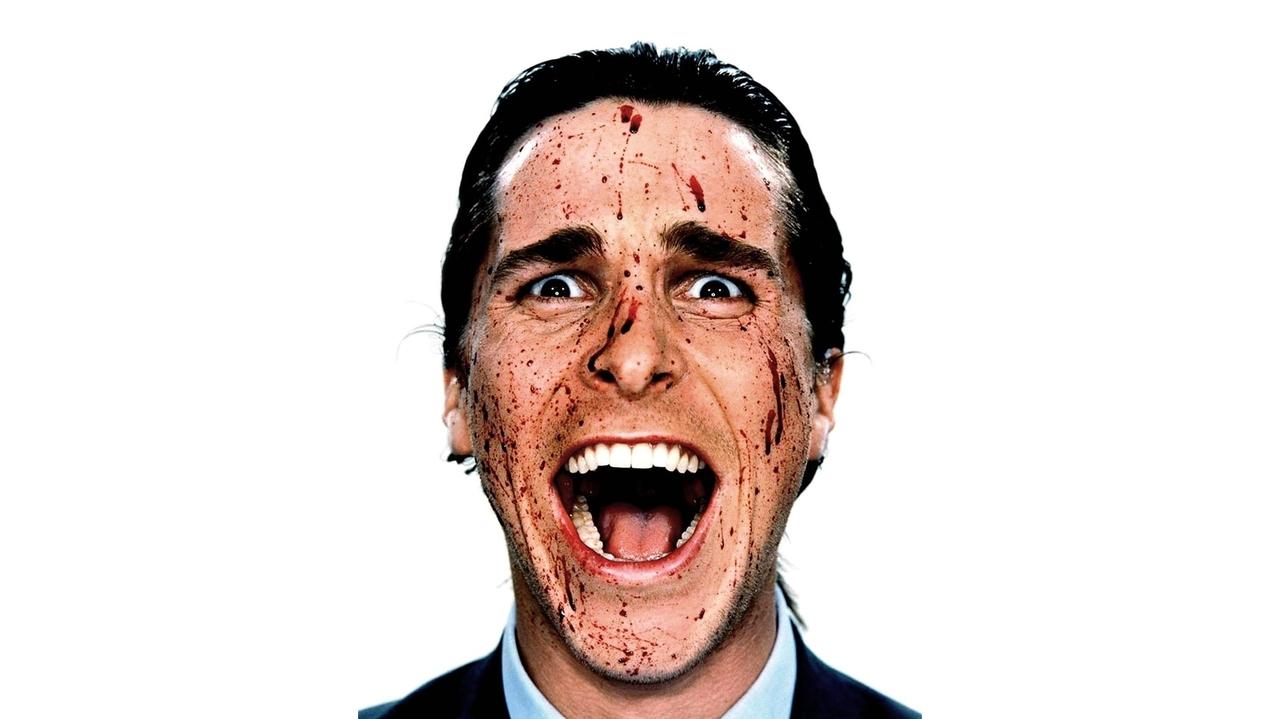

PATRICK BATEMAN: There is an idea of a Patrick Bateman. Some kind of abstraction. But there is no real me. Only an entity. Something illusory. And though I can hide my cold gaze, and you can shake my hand and feel flesh gripping yours, and maybe you can even sense our lifestyles are probably comparable, I simply am not there.
Scene 10 — The Morning Routine — American Psycho
Patrick Bateman provides a meticulous, clinical breakdown of his morning skincare and exercise routine. The monologue shifts from superficial vanity to a chilling admission of his lack of a true human identity.
Format: Monologue · Genre: Thriller · Source: American Psycho · Author: Bret Easton Ellis / Mary Harron / Guinevere Turner · Characters: Patrick Bateman
About This Scene
This compelling monologue from American Psycho offers a detailed glimpse into the meticulously constructed world of Patrick Bateman. He describes his elaborate morning rituals, which initially appear as superficial vanity but quickly delve into a disturbing revelation about his inner self. The scene culminates in a chilling admission of his profound emotional emptiness, providing a rich opportunity for actors to explore complex psychological states.
Character Analysis
Patrick Bateman is a man defined by contradictions: outwardly sophisticated and successful, yet inwardly hollow and devoid of genuine human connection. His meticulous routine serves as a futile attempt to control chaos and maintain a fabricated identity. The underlying vulnerability in this speech stems from his chilling self-awareness that beneath the polished facade, there is "no real me," just an illusion. He is an anti-hero who embodies the darker side of materialism and societal pressures, constantly striving for an external perfection that masks an internal void.
Why This Works for Auditions
This monologue is an excellent choice for auditions as it showcases a significant emotional arc within a short timeframe, beginning with an almost comedic obsession with appearance before spiraling into a profound existential crisis. It demands precise control of tone and pacing, allowing the actor to demonstrate their ability to navigate complex psychological shifts. The iconic nature of the character also offers a chance to make a memorable impression, provided the actor brings a unique and nuanced interpretation.
Best Suited For
This scene is ideally suited for male actors aged 25-35 who are looking to portray sophisticated, intense, and vulnerable characters with a darker edge. It particularly shines for those aiming for drama school auditions, self-tapes where subtlety and internal monologue are key, or general practice to hone their command of complex character work. Actors comfortable with exploring themes of narcissism, identity, and the psychological impact of materialism will find this a rewarding piece.
Performance Tips
To master this monologue, focus on the contrast between Bateman's outward presentation and his internal struggle. Begin with a detached, almost clinical delivery of the routine, emphasizing the perfectionism and superficiality. As the speech progresses, allow subtle cracks in this facade to appear, building towards the raw, vulnerable admission of his lack of self. Pay close attention to vocal control and subtle physical gestures that betray his emotional emptiness, ensuring the chilling impact of the monologue lands without overplaying the dramatic elements.