Film
duologue
Drama

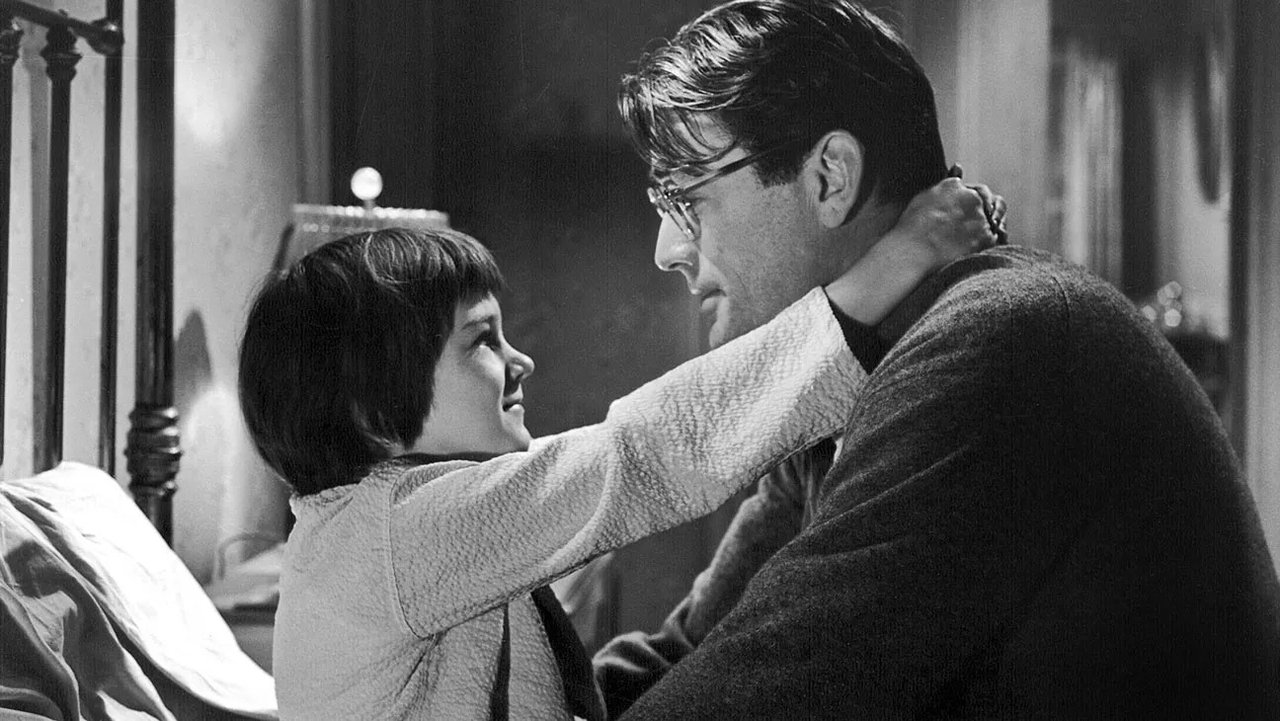
Scout Confronts Walter Cunningham

from To Kill a Mockingbird

Written by Horton Foote

To Kill a Mockingbird

A young girl innocently de-escalates a tense lynch mob by engaging one of the men in a polite conversation about his family and legal troubles.

Start a free 7-day trial — 5 downloads a day, unlimited when Pro begins

Rehearse this scene
Rehearse on your terms

Choose your role and voices for the other characters. Run the scene at your own pace.

Scene PreviewExcerpt — subscribe to read full scene

SCOUT

Hey, Mr. Cunningham... I said, hey, Mr. Cunningham. How's your entailment gettin' along? Don't you remember me, Mr. Cunningham? I'm Jean Louise Finch. You brought us some hickory nuts one early morning, remember? We had a talk. I went and got my daddy to come out to thank you. I go to school with your boy. I go to school with Walter. He's a nice…

End of preview. Continue with Pro below.

7 days freeYour next rehearsal starts here

Found your next scene? Make it yours.

Start your free trial and read Scout Confronts Walter Cunningham in full, with access to 3,000+ monologues and scenes to explore next.

  • Read the full scene and explore the library
  • Download your script in a clean, printable format
  • Take it into rehearsal with the Script Reader
Casting Types
Get Feedback
Coming Soon

Want expert coaching on this scene?

Browse our curated list of acting coaches, dialect specialists, and more.

Find a Coach

Need representation?

Browse verified agents and casting directors in our directory.

Scene Notes & Audition Tips

5 sections
About This Scene

This powerful duologue, adapted from the film *To Kill a Mockingbird*, features a pivotal moment where young Scout Finch confronts Walter Cunningham. Set against a tense backdrop, Scout, with remarkable innocence and empathy, manages to de-escalate a dangerous situation. Her seemingly simple conversation with Cunningham about his family and legal troubles highlights the profound impact of human connection in the face of prejudice and mob mentality.

Character Analysis

Scout is presented as a remarkably observant and guileless young girl, capable of seeing the individual behind the mob. Her strength lies in her unvarnished honesty and her deep understanding of community, forged through small, personal interactions. Cunningham, initially part of an aggressive group, is portrayed as a man susceptible to both mob influence and, ultimately, to the humanizing power of a child's direct appeal. His eventual response reveals a flicker of conscience beneath a hardened exterior.

Why This Works for Auditions

This scene is exceptional for auditions because it showcases a dynamic character arc within a very short timeframe. Actors playing Scout can demonstrate a compelling blend of innocence, courage, and intuitive intelligence, moving from polite conversation to a subtle understanding of the underlying danger. For actors portraying Cunningham, there's an opportunity to convey internal conflict, shifting from menace to a grudging, then softened, acknowledgment of Scout's humanity, all without dialogue.

Best Suited For

This duologue is ideally suited for young female actors aged 6-13, particularly those who can embody a "Girl Next Door" or "Vulnerable" casting type while also displaying inner strength. It's an excellent choice for drama school auditions, self-tapes, or acting competitions where demonstrating emotional range and naturalism is key. The scene's southern tone and themes of justice and empathy make it particularly resonant for those exploring classic American drama.

Performance Tips

When approaching Scout, focus on her genuine curiosity and her unwavering conviction in the power of personal connection. Her lines should be delivered with an earnestness that belies the gravity of the situation, showing how her innocence is her greatest weapon. For Cunningham, even without dialogue, every physical choice and facial expression must convey the internal battle between his desire to follow the mob and the unexpected sting of a child's recognition. The actor playing Cunningham needs to reveal the slow dawning of shame and regret through subtle non-verbal cues.

Explore this topic