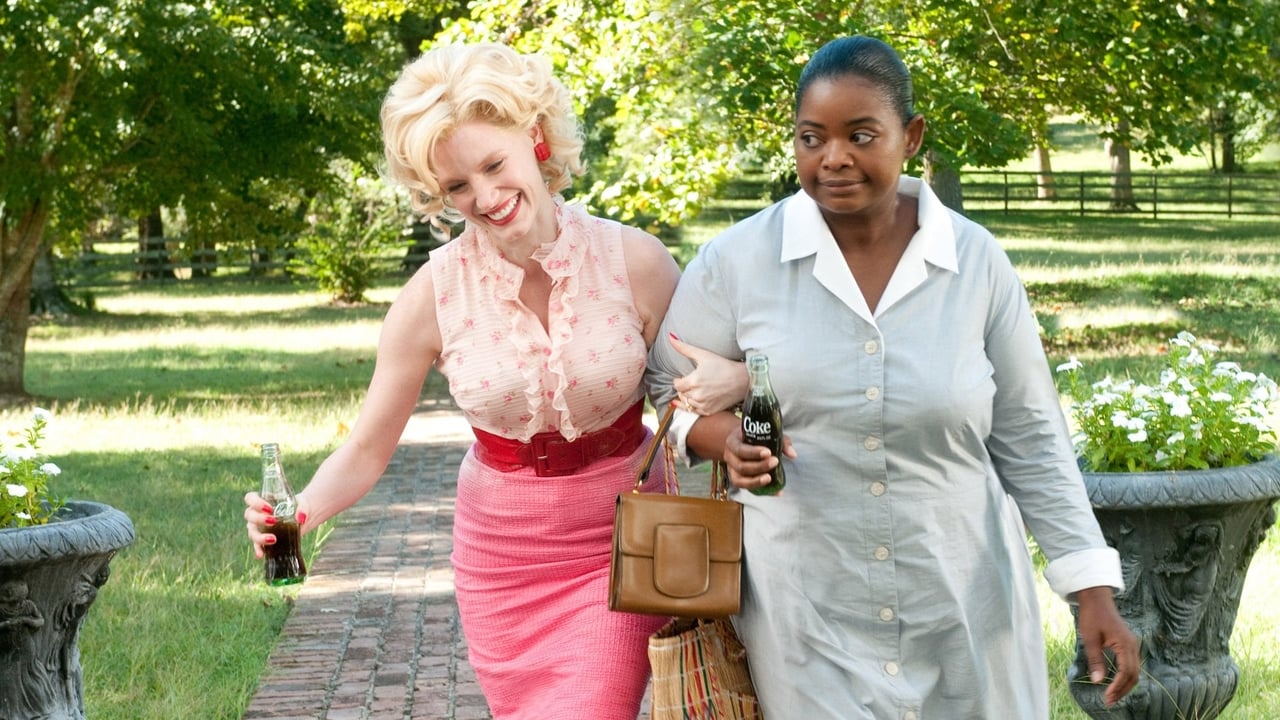

Skeeter, an ambitious aspiring writer, interviews for a position at a local newspaper with the cynical and dismissive Mr. Blackly. Despite her impressive academic background and a letter from a prestigious New York editor, she is hired only to ghostwrite a mundane cleaning advice column.
RECEPTIONIST: Eugenia Phelan, Mr. Blackly.
MR. BLACKLY: Shut the goddamn door!
MR. BLACKLY: I guarantee you, one day they're gonna figure out cigarettes'll kill you.
MR. BLACKLY: Okay, Miss Phelan, let's see what you got.
MR. BLACKLY: "Murrah High Editor, Ole Miss Rebel Rouser Editor, double major."
Create a free account to explore more
Upgrade to Pro for full access — £6.99/month
Director's Notes
Want expert coaching on this scene?
Browse our curated list of acting coaches, dialect specialists, and more.
Need representation?
Browse verified agents and casting directors in our directory.
Scene Notes & Audition Tips
About This Scene
This compelling duologue from "The Help" captures a pivotal moment for an aspiring writer, Skeeter, as she faces the harsh realities of breaking into journalism. It's a fantastic scene for actors looking to showcase vulnerability, ambition, and resilience in the face of dismissive authority, set against the backdrop of the segregated American South.
Character Analysis
**Skeeter:** Skeeter is an intelligent, ambitious young woman with a strong academic background and a fervent desire to become a "serious writer." Her motivations are clear: to escape the societal expectations placed upon women in her era and make her mark in journalism. In this scene, she presents herself with a mixture of hope and earnestness, quickly transitioning to defensiveness and thinly veiled disappointment. An actor playing Skeeter needs to convey her towering height as both a physical characteristic and a metaphor for her aspirations, her nervousness in a professional setting, and the palpable sting of Mr. Blackly's dismissal, all while maintaining her underlying determination.
**Mr. Blackly:** Mr. Blackly is a classic authority figure, seemingly world-weary and cynical, perhaps disillusioned by his own career. His motivations are less about genuinely evaluating Skeeter's potential and more about maintaining his own comfort, managing the newspaper with minimal fuss, and perhaps subtly asserting his power. An actor portraying Mr. Blackly should embody his gruff, dismissive demeanor, his casual sexism, and his almost theatrical exasperation. The humor in his lines is often at Skeeter's expense, but it also hints at his own deep-seated frustrations.
Why This Works for Auditions
This scene is highly effective audition material because it demands a wide range of emotional expression within a short duration. It allows an actor to demonstrate vulnerability, intelligence, simmering frustration, and determination. The power dynamic between Skeeter and Mr. Blackly creates excellent dramatic tension, offering clear objectives and obstacles for both characters. It's a fantastic showcase for actors who can convey subtext, as much of Skeeter's internal struggle and Mr. Blackly's condescension are communicated through non-verbal cues and subtle shifts in tone.
Best Suited For
This duologue is perfectly suited for **self-tapes** and **acting classes**, providing rich material for character exploration and scene study. Given its origins in an Oscar-winning film, it's also strong material for **drama school auditions**, especially for institutions like **RADA**, **LAMDA**, or **Guildhall**, where classical acting principles meet contemporary scene work. It would be excellent for actors targeting **ingenue** or **writer** casting types looking to highlight depth and intelligence.
Performance Tips
1. **Embrace the Physicality:** For Skeeter, use her notable height and her careful movements (e.g., "careful not to add more than a centimeter") to inform her physical presence, perhaps conveying a slight awkwardness or a desire to minimize herself in a male-dominated space. For Mr. Blackly, use his posture and gestures to quickly establish his weary authority – perhaps slumping, or using sharp, dismissive hand movements.
2. **Play the Stakes:** For Skeeter, this isn't just an interview; it's her future as a serious writer. Fuel her lines with that underlying desperation and ambition. For Mr. Blackly, the stakes are about his unchallenged position and the disruption a talented, ambitious young woman might represent.
3. **Find the Humor in the Discomfort:** While dramatic, there's a vein of dark humor, especially in Mr. Blackly's bluntness and Skeeter's earnest but slightly naive responses. Allowing glimpses of this can add layers to the performance and show your range.
How well does this scene match you?
Save your casting profile to see match scores on every scene.
Try Headshot AnalyserGo Pro
£6.99/mo
- ✓ Unlimited scene reading
- ✓ PDF downloads
- ✓ Director's Notes
- ✓ Headshot Analyser
- ✓ Cover Letter Generator
- ✓ Practice Mode
- ✓ Agent Connect
- + 1,000+ scenes
More from The Help
Aibileen's Interview
from The Help
Aibileen reflects on her life as a domestic worker and the generational cycle of servitude during a clandestine interview. The scene highlights the emotional toll of raising white children while grieving her own son, culminating in a tender moment where she instills self-worth in her young charge.
Skeeter and Constantine - Ugly
from The Help
A young Skeeter seeks comfort from her maid, Constantine, after being rejected by boys and feeling like a disappointment to her pageant-queen mother. Constantine delivers a powerful lesson on inner beauty and the daily choice to define one's own worth. The scene highlights a pivotal moment of emotional growth and the deep bond between the two characters.
Similar Scenes
Mother's Disappointment, Daughter's Defiance
from Wonder Woman
Queen Hippolyte reprimands her daughter Diana for her reckless behavior and disobedience during a trial of combat. Diana argues that she is ready to face the world of men, but her mother insists she lacks the wisdom to handle the ancient dangers that once destroyed Atlantis.
The Heart of the Ocean
from Titanic
Cal presents Rose with a priceless blue diamond necklace in an attempt to secure her loyalty and affection following her emotional distress. While he speaks of devotion and generosity, his behavior reveals a deeply possessive nature that views Rose as a trophy to be bought and displayed.
The Interview — Frank T.J. Mackey
from Magnolia
A high-stakes interview between a charismatic pick-up artist and a journalist turns cold when she confronts him about his fabricated past and his mother's death. Frank's bravado crumbles into a defensive silence as his carefully constructed persona is dismantled.
Chapter III — Dorian Describes Sibyl Vane
from The Picture of Dorian Gray
Dorian Gray passionately describes his first encounter with the actress Sibyl Vane to Lord Henry. He contrasts her transcendent, artistic beauty with the mundane nature of ordinary women.