Skip to content
    Film
    duologue
    Drama

    Susanna Tells Will It Was Judith Who Wrote the Verse

    from All Is True

    Written by Ben Elton

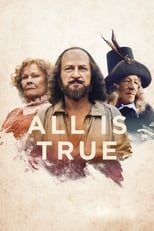
    All Is True

    2 min · 2 characters · Any gender · 45-55

    Will Shakespeare confesses to his daughter Susanna that his creative spirit has vanished, while she urges him to value his living family.

    Start a free 7-day trial — 5 downloads a day, unlimited when Pro begins

    Rehearse this scene
    Rehearse on your terms

    Choose your role and voices for the other characters. Run the scene at your own pace.

    Scene PreviewExcerpt — subscribe to read full scene

    SUSANNA

    I didn’t know it was she who wrote the verse. But then Judith and Hamnet were inseparable. I wasn’t allowed into their world. WILL: Why did she never tell me?

    SUSANNA

    Out of loyalty to Hamnet I suppose. He wanted you to believe him brilliant in life. Why would he wish it any less in death? WILL: It was cruel.

    SUSANNA

    Cruel for her I think.

    End of preview. Continue with Pro below.

    7 days freeYour next rehearsal starts here

    Found your next scene? Make it yours.

    Start your free trial and read Susanna Tells Will It Was Judith Who Wrote the Verse in full, with access to 7,500+ monologues and scenes to explore next.

    • Read the full scene and explore the library
    • Download your script in a clean, printable format
    • Take it into rehearsal with the Script Reader
    Casting Types
    Get Feedback
    Coming Soon

    Want expert coaching on this scene?

    Browse our curated list of acting coaches, dialect specialists, and more.

    Find a Coach

    Need representation?

    Browse verified agents and casting directors in our directory.

    Scene Notes & Audition Tips

    5 sections
    About This Scene

    Written by Ben Elton for the film *All Is True*, this dramatic duologue captures an intimate outdoor exchange between Will and his daughter Susanna. Walking together, they navigate painful family dynamics regarding legacy, recognition, and unresolved grief over a lost sibling. The conversation shifts from an unvarnished confrontation about family neglect into a quiet, profound confession about the total disappearance of Will's creative spirit.

    Character Analysis

    Will is a seasoned artist wrestling with grief, regret, and the sudden silence of his inner creative voice. His emotional arc moves from defensiveness and lingering insensitivity toward raw, unadorned vulnerability as he admits his fear of feeling empty. Susanna is insightful, candid, and deeply grounded. She challenges her father directly about his blind spots while remaining an affectionate presence who desires to see him rejoin the living world.

    Why This Works for Auditions

    The piece offers exceptional balance between active confrontation and reflective vulnerability within a compact two-minute window. Rather than relying on heightened theatricality, the script demands deep internal life, restraint, and generous partner work. Will receives a striking dramatic confession regarding artistic burnout, while Susanna controls the rhythm of the conversation, demonstrating emotional intelligence and resolute vocal strength.

    Best Suited For

    This scene is well suited for drama school auditions, self-tape submissions, agent showcases, and advanced scene-study classes. It provides excellent material for actors falling into Patriarch, Leading Man, Dramatic, Ingenue, or Vulnerable casting types. Performers seeking to demonstrate stillness, gravitas, and layered emotional range will find the piece ideal for showcasing their craft.

    Performance Tips

    Focus on the familial reality rather than any legendary historical context, allowing the conversation to feel immediate and human. Susanna should ensure her direct reproaches come from a place of care rather than malice, keeping her attention firmly on guiding her father back to reality. Will must avoid leaning into melodrama during his confessional speech; playing against the sadness with genuine confusion and quiet honesty will make the moment far more compelling.

    No ratings yet
    Sign in to rate