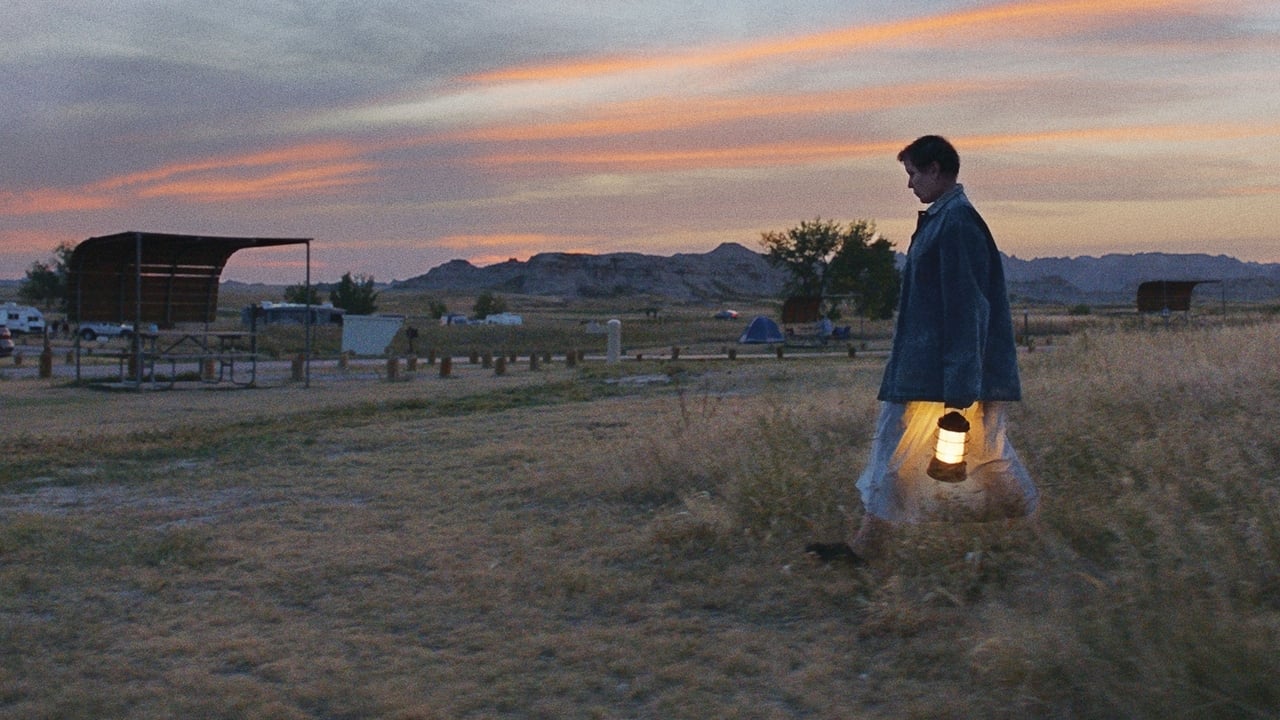

Swankie's Final Trip — Nomadland

Swankie reveals to Fern that her cancer has returned and spread to her brain, giving her only months to live. She explains her decision to forgo hospital treatment in favor of one last trip to Alaska, reflecting on the profound natural beauty she has witnessed that makes her feel her life is complete.

FERN: Are you alright?

SWANKIE: I guess...

FERN: Are you sure? Swankie? What’s this trip about?

SWANKIE: ...I have cancer. I had it a while back. They removed it from my lung. But it came back. Small cell carcinoma. They told me its spread to my brain and they’ve only given me seven or eight months to live. Something like that. I didn’t get the lucky gene…

Format: Duologue · Genre: Drama · Source: Nomadland · Author: Chloé Zhao · Characters: Fern, Swankie

About This Scene

This poignant duologue unfolds in Swankie's van, where she shares a deeply personal and vulnerable revelation with Fern. Swankie discloses that her cancer has aggressively returned, spreading to her brain and significantly limiting her remaining time. Instead of pursuing further medical treatment, she expresses her resolute decision to embark on a final, meaningful journey to Alaska, cherishing the breathtaking natural beauty she has experienced throughout her life. This scene beautifully explores themes of mortality, the profound value of nature, and the quiet strength found in facing one's end with acceptance and a desire for peace.

Character Analysis

Swankie is a woman in her 60s or 70s, characterized by her resilience, independent spirit, and profound connection to the natural world. Despite her terminal diagnosis, she maintains a sense of calm and a clear vision for her remaining time, driven by a desire for autonomy and meaningful experiences over prolonged medical intervention. Fern, also in her 60s or 70s, is presented as a compassionate, empathetic friend who listens with care and offers quiet support. Her role is primarily reactive, absorbing the weight of Swankie's news while demonstrating a deep understanding and respect for her friend's choices.

Why This Works for Auditions

This scene is an excellent choice for auditions due to its raw emotional depth and naturalistic dialogue, providing actors with ample opportunity to showcase authenticity and vulnerability. The direct, conversational style allows for nuanced performance without relying on heightened theatricality, making it perfect for demonstrating subtle character work and emotional resonance. Its contemporary setting and themes of mortality and friendship are universally relatable, ensuring a strong connection with casting directors. The scene's focus on intimate connection and the gravity of Swankie's revelation offers a powerful emotional arc for both actors within a concise timeframe.

Best Suited For

This duologue is exceptionally well-suited for female actors in their 60s and 70s who are looking to showcase their ability to inhabit vulnerable, emotionally complex characters. It particularly appeals to character actors and those cast in "Everyman" or "Elderly" categories, offering a strong platform to convey profound human experience. Actors who excel at naturalistic, understated performances will find this scene ideal for demonstrating their skill in realism and emotional depth. It is particularly effective for those seeking roles in independent dramas, character-driven films, or projects that explore themes of aging, loss, and the human spirit.

Performance Tips

When approaching Swankie, focus on finding the quiet strength and acceptance beneath her vulnerable revelation. Avoid playing for sympathy; instead, emphasize her conviction and the peace she has found in her decision. Pay close attention to the rhythm of her dialogue when describing her past experiences in nature, allowing those memories to genuinely uplift and lighten her tone amidst the heavy topic. For Fern, your performance will hinge on active listening and subtle reactions. Allow the weight of Swankie's words to genuinely affect you, showing your compassion and concern through facial expressions and body language rather than overt emoting.