
Skip to content
    Film
    duologue
    Comedy-Drama

    Ted Tells Sigfried His Name Is Not Theodore

    from Four Rooms

    Written by Allison Anders & Alexandre Rockwell & Robert Rodriguez & Quentin Tarantino

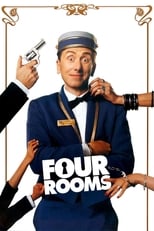
    Four Rooms

    2 min · 2 characters · Any gender · 18-25

    Held at gunpoint by a jealous husband, Ted the bellhop snaps and delivers a tirade about his childhood name before being sent on a frantic errand.

    Start a free 7-day trial — 5 downloads a day, unlimited when Pro begins

    Rehearse this scene
    Rehearse on your terms

    Choose your role and voices for the other characters. Run the scene at your own pace.

    Scene PreviewExcerpt — subscribe to read full scene

    SIGFRIED

    I was just beginning to think I could trust you, Theodore. Silly me.

    TED

    I was just trying to help her breathe a little.

    SIGFRIED

    Don't let me stop you, Teddy. You don't mind me calling you Teddy, do you?

    TED

    That's fine.

    SIGFRIED

    I used to have a little bunny rabbit named Teddy, it looked real cute nibbling on Angela's ear. Only problem here…


    End of preview. Continue with Pro below.

    7 days freeYour next rehearsal starts here

    Found your next scene? Make it yours.

    Start your free trial and read Ted Tells Sigfried His Name Is Not Theodore in full, with access to 7,500+ monologues and scenes to explore next.

    • Read the full scene and explore the library
    • Download your script in a clean, printable format
    • Take it into rehearsal with the Script Reader
    Casting Types
    Get Feedback
    Coming Soon

    Want expert coaching on this scene?

    Browse our curated list of acting coaches, dialect specialists, and more.

    Find a Coach

    Need representation?

    Browse verified agents and casting directors in our directory.

    Scene Notes & Audition Tips

    5 sections
    About This Scene

    Written by Allison Anders & Alexandre Rockwell & Robert Rodriguez & Quentin Tarantino, this contemporary comedy-drama duologue from the film Four Rooms presents a high-stress confrontation laced with dark absurdity. Ted, an overwhelmed hotel bellhop, finds himself held captive at gunpoint by Sigfried, an erratic and intensely jealous husband. Pushed beyond his endurance by bizarre commands and mocking psychological games, Ted finally snaps under the pressure, turning his terror into an indignant and frantic outburst about his childhood identity.

    Character Analysis

    Ted is a relatable everyman thrust into an impossible, life-threatening circumstance that wildly exceeds the duties of his bellhop position. His sudden explosion of stubborn pride reveals a character who, despite extreme fright and vulnerability, reaches a definite psychological limit that cannot be breached. Sigfried represents an unpredictable, domineering villain whose dangerous mood swings between mocking intimacy and lethal commands keep the room in constant peril.

    Why This Works for Auditions

    This piece offers dynamic material for actors looking to demonstrate rapid tonal shifts between mortal terror and manic dark comedy. Ted's transition from trembling compliance to an obsessive rant provides a standout comedic arc within a tight two-minute timeframe, letting casting directors see both vulnerability and vocal range. For Sigfried, the scene offers an exceptional showcase of menacing charisma, physical dominance, and unpredictable control over the room's energy.

    Best Suited For

    The scene is an ideal selection for drama school auditions, agent showcases, self-tape submissions, and general classroom practice. It provides prime performance material for actors aligning with everyman, villain, quirky, intense, or character actor casting types. The rapid interplay makes it particularly valuable for pairs seeking to highlight mutual listening and elevated comedic timing.

    Performance Tips

    Actors playing Ted should resist the temptation to deliver the concluding rant purely for broad laughs. Anchor the frustration in genuine physical panic and sensory overload so the sudden linguistic fixation feels like a real psychological breaking point. The performer portraying Sigfried must maintain a palpable sense of physical danger, allowing volatile stillness and sudden shifts in volume to command the space. Balancing authentic danger with dark comedy ensures the performance lands effectively.

    No ratings yet
    Sign in to rate