Film
monologue
Drama

Television is Not the Truth

from Network

Written by Paddy Chayefsky

Network

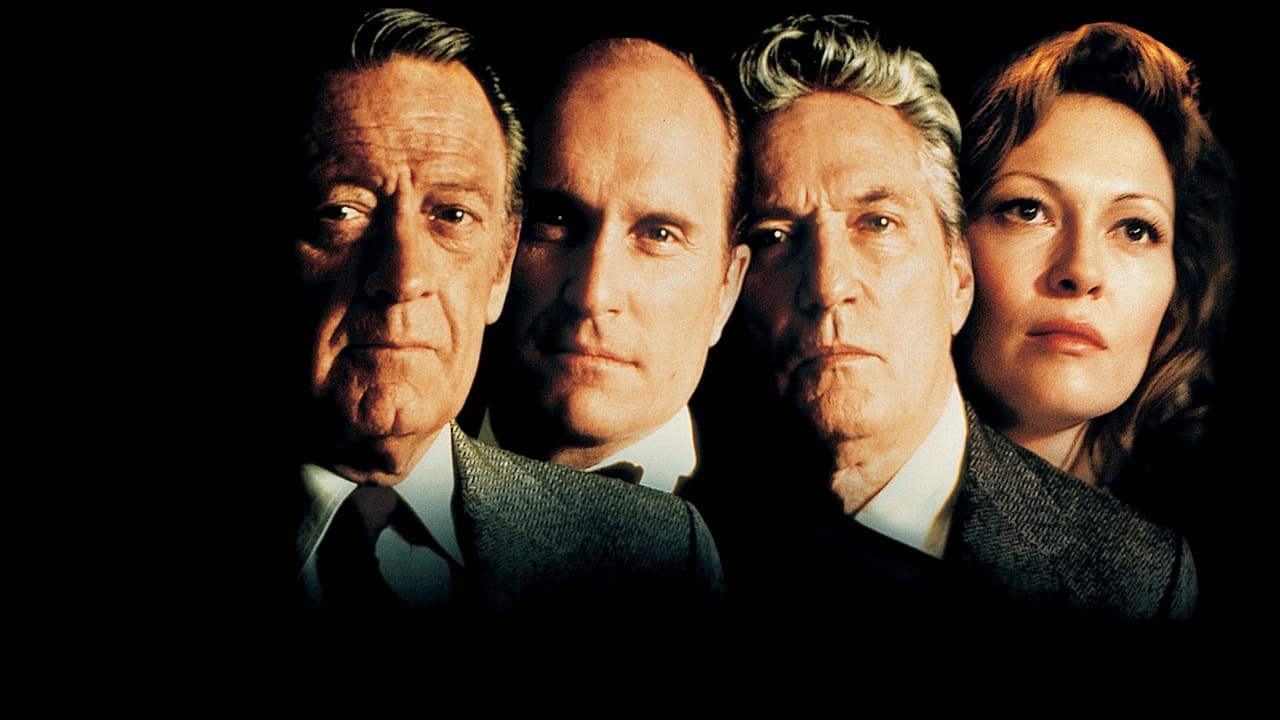
A news anchor suffers a breakdown on air, warning his audience that television is a dangerous illusion and urging them to turn off their sets.

Start a free 7-day trial — 5 downloads a day, unlimited when Pro begins

Rehearse on your terms

Take this monologue into rehearsal and work through it at your own pace.

Scene PreviewExcerpt — subscribe to read full scene

HOWARD

Edward George Ruddy died today! Edward George Ruddy was the Chairman of the Board of the Union Broadcasting Systems and woe is us if it ever falls in the hands of the wrong people. And that's why woe is us that Edward George Ruddy died. Because this network is now in the hands of CC and A the Communications Corporation of America. We've got a new…

End of preview. Continue with Pro below.

7 days freeYour next rehearsal starts here

Found your next scene? Make it yours.

Start your free trial and read Television is Not the Truth in full, with access to 3,000+ monologues and scenes to explore next.

  • Read the full scene and explore the library
  • Download your script in a clean, printable format
  • Take it into rehearsal with the Script Reader
Casting Types
Get Feedback
Coming Soon

Want expert coaching on this scene?

Browse our curated list of acting coaches, dialect specialists, and more.

Find a Coach

Need representation?

Browse verified agents and casting directors in our directory.

Scene Notes & Audition Tips

5 sections
About This Scene

This powerful dramatic monologue, titled "Television is Not the Truth," originates from the critically acclaimed film *Network*. It features the character Howard in the midst of an on-air breakdown, delivering a scathing indictment of television and media consumption. The scene is a profound moment of raw honesty and despair, as Howard strips away the veneer of entertainment to expose what he perceives as a dangerous illusion. It serves as a modern-classic exploration of truth, outrage, and the insidious influence of media, making it a compelling piece for actors seeking to demonstrate intense emotional range.

Character Analysis

Howard is a seasoned news anchor who, at this point in his career, is experiencing a profound psychological and spiritual crisis. He transforms from a broadcasting professional into a prophet of outrage, driven by a deep conviction that the media he once served is actively deceiving its audience. His age range, 45-55, suggests a man with significant life experience and a history within his profession, making his breakdown all the more impactful. He embodies an Everyman who has reached a breaking point, yet also possesses the gravitas of an Authority Figure, lending his "manifesto" a chilling power and sincerity.

Why This Works for Auditions

This monologue is exceptional for auditions because it offers a wide spectrum of emotional and vocal dynamics within a compact timeframe. It demands an actor to navigate anger, despair, urgency, and a desperate plea, showcasing both dramatic intensity and intellectual command. The clear arc of a character reaching an ultimate breaking point provides a fantastic opportunity to demonstrate range, commitment, and the ability to build and sustain high-stakes emotion. Its timeless themes of media criticism and the search for truth resonate strongly, making it a memorable and thought-provoking choice.

Best Suited For

This scene is particularly well-suited for male actors within the 45-55 age range who can embody an Intense and Dramatic presence. It is an excellent choice for a drama-school-audition, allowing actors to display significant emotional depth and powerful vocal delivery. Additionally, its high impact makes it ideal for an agent-showcase or a self-tape submission where standing out is crucial. Actors looking to portray an Authority Figure or a disillusioned Journalist will find this piece perfectly aligns with those casting types.

Performance Tips

When approaching this monologue, focus on Howard's absolute conviction and the desperation behind his words. While there is immense anger, ensure it stems from a place of profound disillusionment and a genuine desire for people to see the truth. Varying your pace and vocal intensity will be key to illustrating his build-up from a dire warning to an almost manic frenzy. Pay close attention to how the message is directed – sometimes broadly to the "people out there," and sometimes internally as if battling his own demons, creating layers in your performance.

Explore this topic