
Film
duologue
Drama
Thriller

The Beating was Part of the Meal

from Hell or High Water

Written by Taylor Sheridan

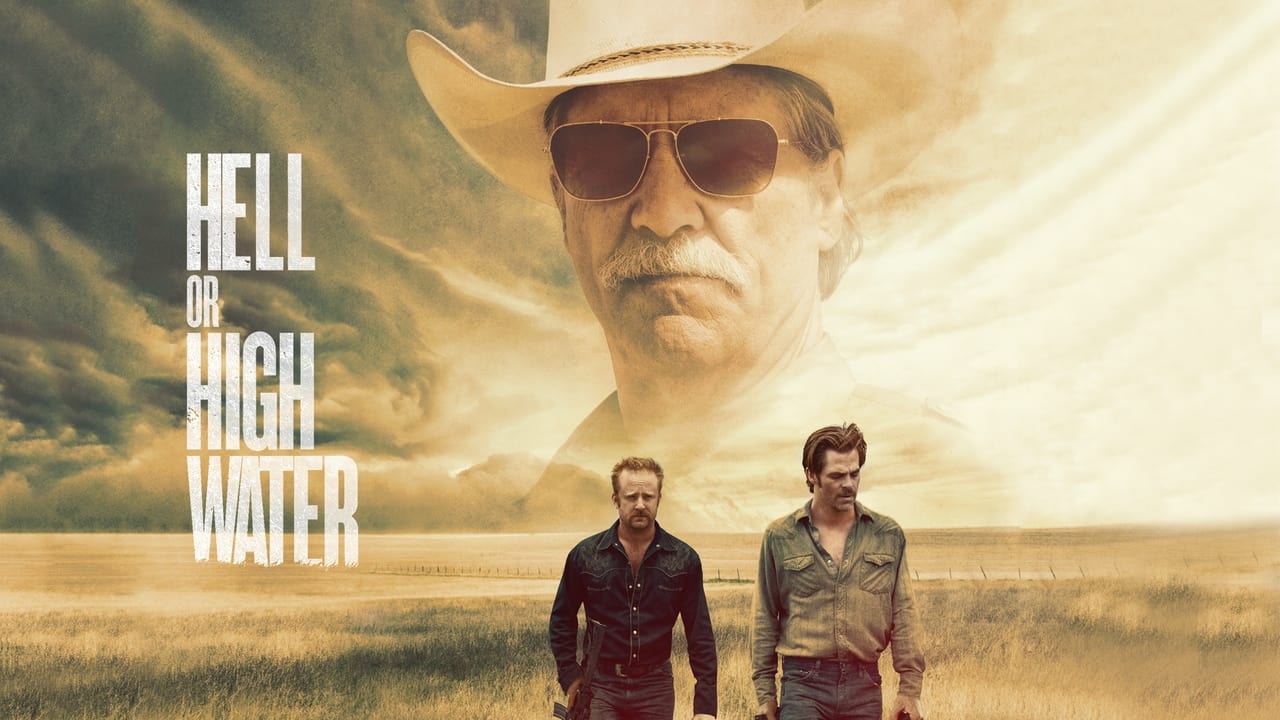
Hell or High Water

Two brothers discuss their deceased mother's will and the cycle of abuse they endured growing up. Tanner reflects on his violent reaction to their upbringing while Toby explains his more passive survival strategy.

Start a free 7-day trial — 5 downloads a day, unlimited when Pro begins

Rehearse this scene
Rehearse on your terms

Choose your role and voices for the other characters. Run the scene at your own pace.

Scene PreviewExcerpt — subscribe to read full scene

TANNER

She leave a will?

TOBY

Yeah.

TANNER

Was I in it?

TOBY

No. The will don’t matter. She left everything to me, and by Friday, it all goes to my boys ... She didn’t mean nuthin’ by it. Mama’s been gone for years. I just tended to the body.

TANNER

She damn sure meant it. Mama was like a dog that got kicked every time it was fed. After a while she…

End of preview. Continue with Pro below.

7 days freeYour next rehearsal starts here

Found your next scene? Make it yours.

Start your free trial and read The Beating was Part of the Meal in full, with access to 1,000+ monologues and scenes to explore next.

  • Read the full scene and explore the library
  • Download your script in a clean, printable format
  • Take it into rehearsal with the Script Reader
Casting Types
Get Feedback
Coming Soon

Want expert coaching on this scene?

Browse our curated list of acting coaches, dialect specialists, and more.

Find a Coach

Need representation?

Browse verified agents and casting directors in our directory.

Scene Notes & Audition Tips

5 sections
About This Scene

This powerful dramatic duologue, "The Beating was Part of the Meal," features brothers Tanner and Toby in a raw, intimate conversation following their mother's death. Set in a contemporary, gritty period, the scene delves deep into their shared history of abuse and its profound impact on their individual coping mechanisms. It exposes the differing ways each brother processed and reacted to their traumatic upbringing, revealing a complex dynamic of resentment, understanding, and dark humor.

Character Analysis

Tanner, the more volatile brother, embodies the Anti-Hero archetype with a clear history of violent retaliation against injustice, as hinted by his final lines. He perceives his mother's emotional state as a direct result of abuse, seeing her acceptance of it as part of her identity, and harbors resentment for her inability to break free. Toby, conversely, represents a more passive, albeit strategic, survivor, adopting a "last longer" philosophy of endurance over confrontation. His character is grounded in the Working Class and Everyman archetypes, having seemingly internalized the trauma differently, perhaps even attempting to rationalize their mother's actions or the will's outcome.

Why This Works for Auditions

This intense, 1-minute duologue is excellent for showcasing an actor's ability to navigate complex emotional landscapes and deliver nuanced performances. The scene provides clear emotional arcs for both characters, moving from somber discussion to revealing declarations about their past trauma. Its concise nature allows for a powerful impact within a short timeframe, making it ideal for agent-showcases, self-tapes, or general practice where time is often limited but depth is essential.

Best Suited For

This scene is particularly well-suited for male actors in the 35-45 age range who can portray a sense of weathered experience and suppressed emotion. Actors comfortable with Gritty or Criminal casting types, and those who can authentically embody Working Class or Anti-Hero roles, will find strong material here. It’s perfect for demonstrating an ability to handle dark dramatic themes, family trauma, and the complex bonds between siblings amidst a challenging backstory.

Performance Tips

When approaching this scene, actors should focus on the underlying history of abuse that shapes each brother's perspective. For Tanner, explore the simmering resentment and the rationale behind his violent actions, allowing his "smile" and "laugh" to carry a dark, ironic edge. For Toby, consider the weariness and quiet strength in his endurance, ensuring his explanations are delivered with a sense of hard-won wisdom rather than weakness. Pay close attention to the subtext of their shared glances and physical proximity, as these non-verbal cues can convey years of complicated brotherly connection.

Explore this topic