Film
group
Drama

The Best Possible Thing

from Saving Private Ryan

Written by Robert Rodat

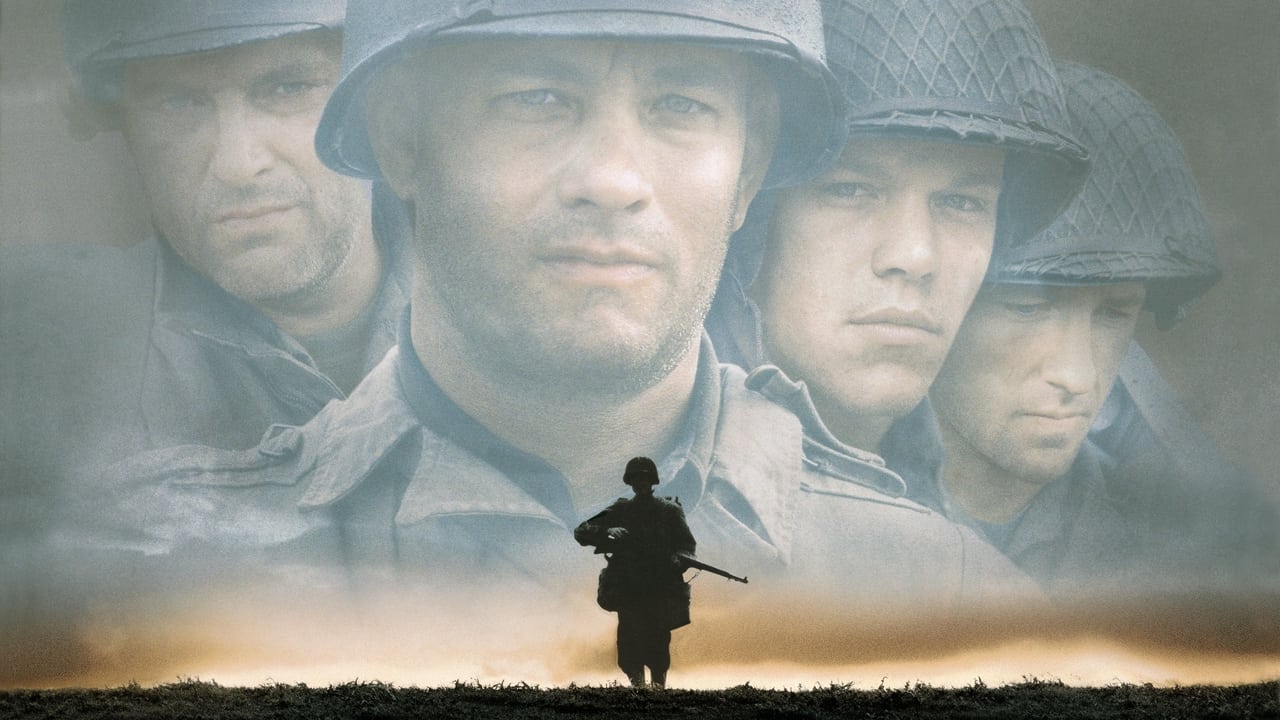
Saving Private Ryan

Soldiers debate the grim logic of their mission, weighing the survival of their squad against the recovery of Private Ryan.

Start a free 7-day trial — 5 downloads a day, unlimited when Pro begins

Rehearse this scene
Rehearse on your terms

Choose your role and voices for the other characters. Run the scene at your own pace.

Scene PreviewExcerpt — subscribe to read full scene

REIBEN

You know what the best possible thing that could happen is?

JACKSON

Yep, you step on a rusty nail, get lockjaw, never say another word as long as you live.

MILLER

I'll bite, Reiben.

REIBEN

I've given this a lot of thought, sir. The best thing that could happen is, we find Ryan and he's dead.

MILLER

Why's that?

End of preview. Continue with Pro below.

7 days freeYour next rehearsal starts here

Found your next scene? Make it yours.

Start your free trial and read The Best Possible Thing in full, with access to 3,000+ monologues and scenes to explore next.

  • Read the full scene and explore the library
  • Download your script in a clean, printable format
  • Take it into rehearsal with the Script Reader
Casting Types
Get Feedback
Coming Soon

Want expert coaching on this scene?

Browse our curated list of acting coaches, dialect specialists, and more.

Find a Coach

Need representation?

Browse verified agents and casting directors in our directory.

Scene Notes & Audition Tips

5 sections
About This Scene

This scene plunges into the gritty reality and dark humor prevalent amongst soldiers facing unimaginable circumstances. It features Reiben, Jackson, and Miller debating the highly unconventional "best possible thing" that could come from their seemingly impossible mission. The dialogue powerfully showcases the cynical coping mechanisms and pragmatic, albeit grim, logic that soldiers often develop to navigate the horrors of war.

Character Analysis

Reiben is the cynical, world-weary voice of the group, articulating the raw, uncomfortable truths that others might only think. His character embodies a jaded pragmatism, prioritizing the squad's survival over sentimental ideals, yet he clearly suffers from the weight of his experiences. Jackson offers a brief, sharp piece of gallows humor, highlighting his own dark, observational wit. Miller, as the commanding officer, navigates the conversation with a mixture of authority, subtle amusement, and a deeper understanding of the moral complexities at play.

Why This Works for Auditions

This scene offers actors a fantastic opportunity to showcase nuanced performances in a short timeframe. The shifting dynamics between the characters, particularly Reiben's monologue and Miller's reactions, allow for a display of dramatic range, comedic timing, and emotional depth. It effectively demonstrates an actor's ability to embody a character under immense pressure, conveying weariness, dark humor, and a sense of brotherhood without relying on overt emotional displays. It's excellent for demonstrating a strong grasp of subtext and intention.

Best Suited For

This scene is exceptionally well-suited for male actors in their mid-twenties to late thirties, particularly those looking to portray "Working Class," "Military," "Everyman," or "Tough" casting types. It's ideal for actors who can convey intelligence and cynicism beneath a gruff exterior. This piece is perfect for those aiming for dramatic roles in historical or contemporary military dramas, or projects requiring a dark, intense tone.

Performance Tips

When performing this scene, lean into the underlying weariness and the dark humor, rather than playing it for broad laughs or overt sadness. For Reiben, focus on the rhythm of his argument, building his case with a pragmatic, almost academic detachment that masks deeper fear and frustration. Miller should maintain his leadership presence, reacting with subtle nods and expressions that show his internal processing of Reiben’s points, perhaps even a flicker of grudging respect for his honesty. Remember that these characters are accustomed to grim situations, so their reactions should be understated and authentic to their lived experiences.

Explore this topic