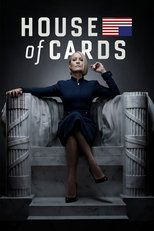
Frank Underwood is blindsided by Linda Vasquez when she informs him that the President-Elect will not be nominating him for Secretary of State as promised. Despite Frank's reminders of his loyalty and hard work during the campaign, Linda insists he is more valuable remaining in Congress. The scene establishes the catalyst for Frank's vengeful quest for power as he is forced to swallow his pride and feign support for his rival.
VASQUEZ: Thanks for coming Frank.
FRANCIS: Will the President-Elect be joining us?
VASQUEZ: No. He told me to apologize on his behalf. I’ll brief him though.
FRANCIS: This is a memo I drafted on the Middle East policy we’ve been developing. I think we need a more direct way to frame our approach.
VASQUEZ: Frank - I’m going to stop you right there. We’re not…
About This Scene
This intense political drama duologue, "The Betrayal," from the acclaimed series House of Cards, captures a pivotal moment of broken trust and ambition. The scene unfolds as Linda Vasquez delivers the devastating news to Francis that he will not be appointed Secretary of State, despite prior assurances. It’s a masterclass in power dynamics, where a seemingly polite conversation masks a brutal reversal of fortune, forcing both characters to navigate a high-stakes professional manipulation.
Character Analysis
Linda Vasquez is presented as a cool, collected political operator, tasked with delivering an unwelcome but firm message. She embodies authority and loyalty to the President-Elect, even if it means betraying a colleague. Francis, on the other hand, begins with a facade of control, quickly moving through stages of disbelief, suppressed anger, and a calculated understanding of the shifted landscape. He is a formidable anti-hero whose intelligence and experience are being deliberately undermined, making his internal journey throughout the scene crucial.
Why This Works for Auditions
"The Betrayal" is excellent audition material because it demands a wide range of nuanced emotional responses within a constrained, professional setting. Actors can showcase their ability to portray internal conflict, strategic thinking, and the subtle shifts in power without resorting to overt melodrama. The dialogue is sharp, intelligent, and rich with subtext, providing ample opportunity to demonstrate command of language and sophisticated character portrayal.
Best Suited For
This scene is ideally suited for actors in the 45-55 age range, excelling in roles that require gravitas, intelligence, and a capacity for playing complex authority figures. It is particularly effective for those looking to be cast as politicians, business executives, or any character type that embodies an intense anti-hero or strategic leader. The contemporary period and intense tone make it perfect for showcasing versatility in modern drama.
Performance Tips
When approaching "The Betrayal," focus on the subtext and unspoken power struggle. For Francis, resist the urge to immediately display anger; instead, allow his realization of the betrayal to unfold internally, building to a controlled but palpable fury. For Linda, maintain a detached yet empathetic professionalism, showing that while she delivers a harsh truth, she understands the weight of her words. Pay close attention to pacing and pauses, as these can powerfully convey the gravity of the situation and the characters' internal processing.