Film
monologue
Thriller
Drama

The Border Guard's Story

from Angel Has Fallen

Written by Creighton Rothenberger, Katrin Benedikt

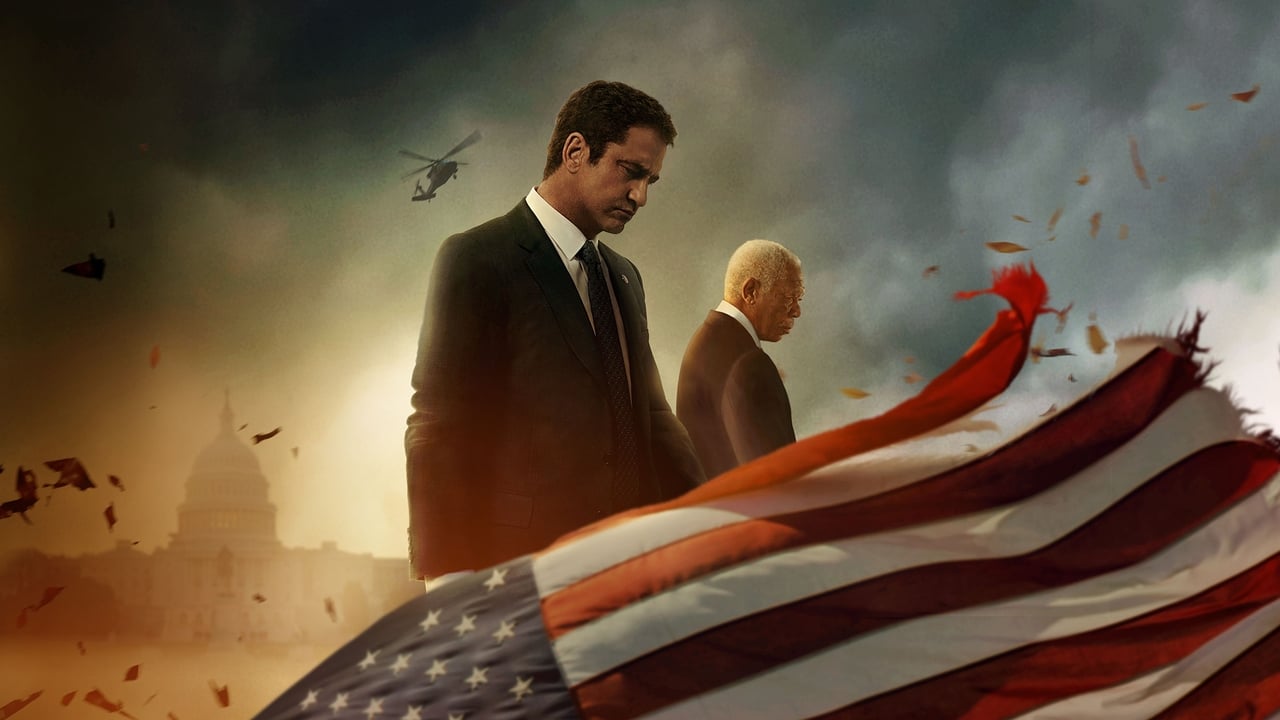
Angel Has Fallen

Banning recounts a contact's violent family history in Russia to recruit them for a mission fueled by mutual hatred for their enemies.

Start a free 7-day trial — 5 downloads a day, unlimited when Pro begins

Rehearse on your terms

Take this monologue into rehearsal and work through it at your own pace.

Scene PreviewExcerpt — subscribe to read full scene

BANNING

You eat a lot of vitamins as a kid?

BANNING

You’re probably wondering why I reached out to you... Aside from having to cross 400 miles of hostile Russian heartland.

BANNING

I read your file... You grew up outside Piusa. Grandfather raised you. He was a potato farmer, right?

End of preview. Continue with Pro below.

7 days freeYour next rehearsal starts here

Found your next scene? Make it yours.

Start your free trial and read The Border Guard's Story in full, with access to 4,000+ monologues and scenes to explore next.

  • Read the full scene and explore the library
  • Download your script in a clean, printable format
  • Take it into rehearsal with the Script Reader
Casting Types
Get Feedback
Coming Soon

Want expert coaching on this scene?

Browse our curated list of acting coaches, dialect specialists, and more.

Find a Coach

Need representation?

Browse verified agents and casting directors in our directory.

Scene Notes & Audition Tips

5 sections
About This Scene

This intense monologue features Banning, a central character from the thriller film *Angel Has Fallen*, as he attempts to recruit a contact for a dangerous mission. Set against the backdrop of a moving vehicle in a hostile Russian landscape, Banning delivers a chilling recount of his companion's dark family history, specifically focusing on a brutal act of revenge against the Red Mafiya. The scene serves to establish a deep, shared motivation rooted in past violence and injustice, aiming to forge a bond of mutual hatred and purpose for their upcoming endeavor.

Character Analysis

Banning, as portrayed in this monologue, is a shrewd, calculating, and somewhat ruthless individual, driven by a clear objective. His dialogue reveals a tactical mind, meticulously using researched personal history to manipulate and provoke a desired response from his silent companion. He demonstrates a profound understanding of human motivation, tapping into raw emotions of grief, anger, and the desire for retribution. This character is hardened by experience, displaying a gritty resolve and a willingness to confront brutal truths head-on to achieve his goals.

Why This Works for Auditions

This monologue is an excellent choice for auditions because it showcases an actor's ability to convey complex emotional depth beneath a stoic exterior. It allows for a compelling display of intense focus, controlled aggression, and the art of subtle manipulation without resorting to overly theatrical gestures. The sustained, one-sided conversation demands strong vocal control and the ability to build tension through storytelling, making it ideal for demonstrating gravitas and commanding presence in a contemporary thriller context. It’s perfect for showing how much an actor can convey, even without a direct scene partner's lines.

Best Suited For

This material is best suited for male actors in the 35-45 age range who are aiming for casting types such as Action Hero, Leading Man, Tough, Intense, or Gritty. It specifically caters to performers capable of embodying a character with a strong military background or a history of confronting significant danger. Actors who excel at portraying characters with internal conflict and a hardened, world-weary sensibility will find this monologue particularly effective for showcasing their range in dramatic and thriller roles.

Performance Tips

When performing this monologue, focus on Banning's strategic intent behind every word, ensuring his delivery is not just informational but profoundly persuasive. Consider the underlying tension of the moving vehicle and the silent, unreadable companion, allowing their unspoken presence to influence your pace and emphasis. Use subtle shifts in vocal tone and intensity to build the narrative's emotional impact, letting the horrific details of the story land with gravity without becoming melodramatic. Emphasize the psychological warfare at play, particularly in Banning's final lines, to highlight his cynical humor and his successful manipulation.

Explore this topic