
Film
duologue
Drama
Thriller

The Chair and the Slaps

from Whiplash

Written by Damien Chazelle

Whiplash

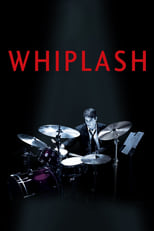
A ruthless music conductor subjects a young jazz drummer to a brutal physical and psychological interrogation over his inability to keep tempo.

Start a free 7-day trial — 5 downloads a day, unlimited when Pro begins

Rehearse this scene
Rehearse on your terms

Choose your role and voices for the other characters. Run the scene at your own pace.

Scene PreviewExcerpt — subscribe to read full scene

FLETCHER

Why do you suppose I just hurled a chair at your head, Neiman?

ANDREW

I... I... I d--don’t kn--

FLETCHER

Yes, you do.

ANDREW

I... The...the tempo...

FLETCHER

Were you rushing or were you dragging?
End of preview. Continue with Pro below.

7 days freeYour next rehearsal starts here

Found your next scene? Make it yours.

Start your free trial and read The Chair and the Slaps in full, with access to 4,000+ monologues and scenes to explore next.

  • Read the full scene and explore the library
  • Download your script in a clean, printable format
  • Take it into rehearsal with the Script Reader
Casting Types
Get Feedback
Coming Soon

Want expert coaching on this scene?

Browse our curated list of acting coaches, dialect specialists, and more.

Find a Coach

Need representation?

Browse verified agents and casting directors in our directory.

Scene Notes & Audition Tips

5 sections
About This Scene

This intense duologue from Damien Chazelle's acclaimed film *Whiplash* throws two male characters, Fletcher and Andrew, into a brutal confrontation. Set in a contemporary period, the scene unfolds as the ruthless music conductor, Fletcher, subjects his young jazz drummer, Andrew, to a harrowing physical and psychological interrogation. Their dynamic explores themes of abuse, perfectionism, and high-stakes artistic pursuit, making it a powerful and challenging piece for any actor to tackle. The scene captures a pivotal moment of extreme pressure and manipulation, designed to push an artist to their breaking point.

Character Analysis

Fletcher is a complex authority figure, oscillating between a demanding mentor and a terrifying villain, pushing Andrew to what he perceives as artistic greatness through fear and intimidation. He appears to be in his 50s, embodying a formidable and unyielding presence. Andrew, a 19-year-old drummer, is thrust into a situation that tests his resolve and talent under immense duress, showcasing vulnerability alongside a desperate desire to prove himself. Both characters must navigate an extreme power imbalance, with Fletcher’s relentless questioning and physical actions forcing Andrew into a state of terrified compliance.

Why This Works for Auditions

This scene offers a phenomenal opportunity to showcase a wide range of intense emotions and character dynamics in a short timeframe. It demands precision, high energy, and the ability to portray extreme psychological pressure, making it ideal for demonstrating significant dramatic range. Actors can explore nuanced portrayals of intimidation, fear, ambition, and the complex relationship between mentor and protégé. The clear objective and escalating stakes provide a compelling arc, allowing performers to captivate an audition panel with a truly memorable and powerful display.

Best Suited For

"The Chair and the Slaps" is exceptionally well-suited for drama school auditions, agent showcases, and self-tapes where an actor needs to deliver a high-impact, dramatic performance. It allows actors to portray characters with significant emotional depth and a capacity for intense confrontation, fitting well for casting types such as an Authority Figure, Villain, Mentor, or a character capable of exhibiting extreme vulnerability and resilience. This piece is perfect for actors eager to demonstrate their ability to handle challenging material and embody complex, high-stakes relationships.

Performance Tips

When approaching this scene, focus on the palpable power dynamic and the specific objective of each character. For Fletcher, embody his absolute control and the calculated nature of his cruelty, even in his most explosive moments, ensuring his actions serve a perceived purpose. For Andrew, concentrate on his escalating terror, but also his underlying drive and fragile resilience that keeps him from completely breaking. Pay close attention to tempo and rhythm within the dialogue, mirroring the musical themes of the scene, and allow the stakes to continually build, ensuring that every line carries significant emotional weight and urgency.

Explore this topic