
Film
duologue
Drama

The Chemical Burn

from Fight Club

Written by Jim Uhls

Fight Club

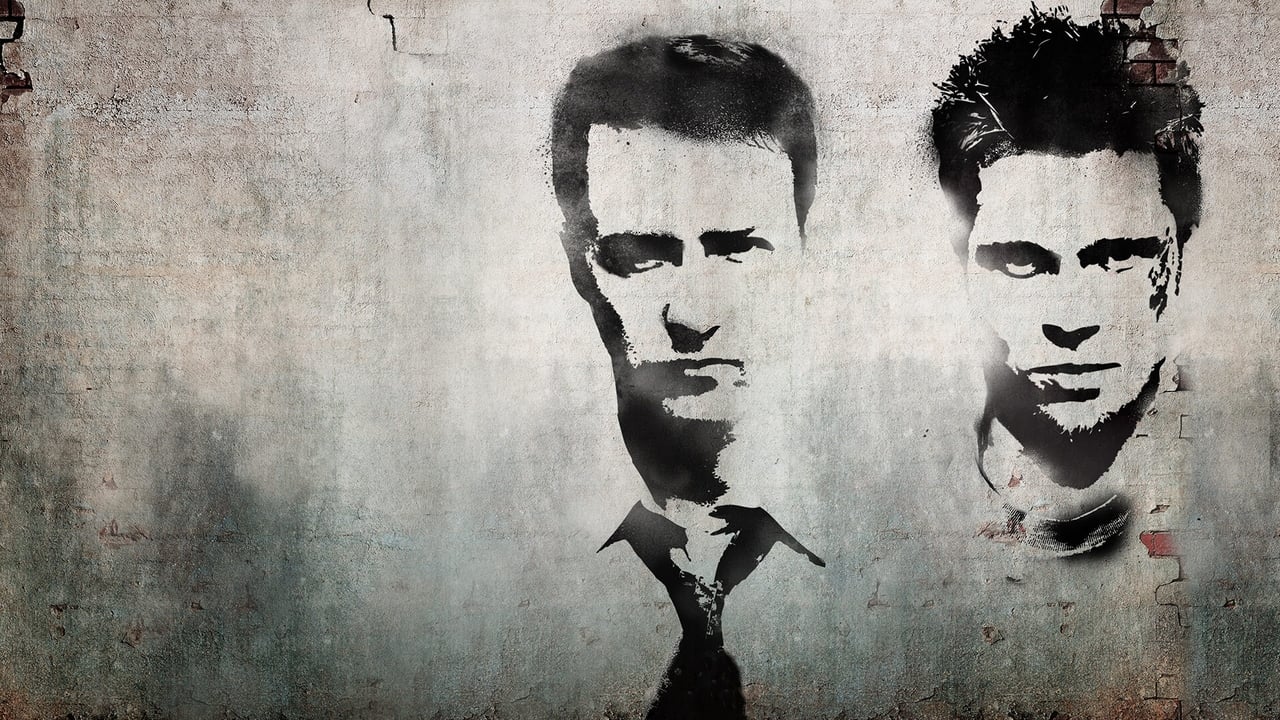
Tyler Durden initiates the Narrator into a philosophy of radical acceptance through a painful chemical burn on his hand. He uses the physical agony to force the Narrator to confront his existential nihilism and abandonment issues regarding his father and God.

Start a free 7-day trial — 5 downloads a day, unlimited when Pro begins

Rehearse this scene
Rehearse on your terms

Choose your role and voices for the other characters. Run the scene at your own pace.

Scene PreviewExcerpt — subscribe to read full scene

TYLER

Lye -- the crucial ingredient for making soap. A paste of lye and water can burn through an aluminum pan. A solution of lye and water will dissolve a wooden spoon. Combined with water, lye heats to over two hundred degrees.

TYLER

Come back to the pain.

TYLER

Don't shut this out.

TYLER

This is the greatest moment of your life and you're off…

End of preview. Continue with Pro below.

7 days freeYour next rehearsal starts here

Found your next scene? Make it yours.

Start your free trial and read The Chemical Burn in full, with access to 1,000+ monologues and scenes to explore next.

  • Read the full scene and explore the library
  • Download your script in a clean, printable format
  • Take it into rehearsal with the Script Reader
Casting Types
Get Feedback
Coming Soon

Want expert coaching on this scene?

Browse our curated list of acting coaches, dialect specialists, and more.

Find a Coach

Need representation?

Browse verified agents and casting directors in our directory.

Scene Notes & Audition Tips

5 sections
About This Scene

This intense duologue, "The Chemical Burn," from the contemporary film *Fight Club*, features the characters Tyler and Jack in a pivotal dramatic exchange. The scene captures the moment Tyler initiates Jack into a radical philosophy through a painful ritual, using physical agony to confront deep-seated psychological issues. It's an exploration of pain as a catalyst for existential awakening and a challenging look at abandonment and belief, all within a high-stakes, two-minute interaction.

Character Analysis

Tyler is a commanding and enigmatic figure, embodying an anti-hero or mentor archetype with intense, gritty qualities. He is provocative, philosophical, and seemingly detached from conventional morality, using extreme methods to achieve his goals. Jack, the recipient of Tyler's unconventional lesson, is grappling with profound existential angst and a need for guidance. He is vulnerable, yet forced to confront painful truths, and his journey through this scene is one of forced emotional and physical endurance.

Why This Works for Auditions

"The Chemical Burn" offers a powerful opportunity for actors to showcase a broad emotional range within a short timeframe. The scene’s intense tone and dramatic conflict provide excellent material for demonstrating vulnerability, resistance, and raw emotional reactions, as well as controlled, manipulative power. It's a fantastic choice for actors looking to convey depth and intensity, making it suitable for agent showcases where impactful, memorable performances are key.

Best Suited For

This scene is ideally suited for male actors in the 25-35 age range who are looking to portray complex, intense, or even villainous characters. It’s perfect for those comfortable with dark, philosophical material and who can convey significant emotional and psychological shifts. Actors aiming for roles that require a strong, gritty presence or a nuanced portrayal of a mentor figure with a dark edge will find this scene particularly effective.

Performance Tips

When approaching "The Chemical Burn," focus on the dynamic between control and surrender. For Tyler, explore the unsettling calm and persuasive power in his delivery, emphasizing his philosophical conviction rather than overt aggression. For Jack, allow the physical pain to inform, but not overwhelm, the emotional journey; show the internal struggle and the forced confrontation with his issues. Pay close attention to reactions and listening, as much of the scene's power lies in the unspoken communication between the two characters amidst the intense physical ordeal.

Explore this topic