Skip to content
    Film
    group
    Drama
    Thriller

    The Code Red Interrogation

    from A Few Good Men

    Written by Aaron Sorkin

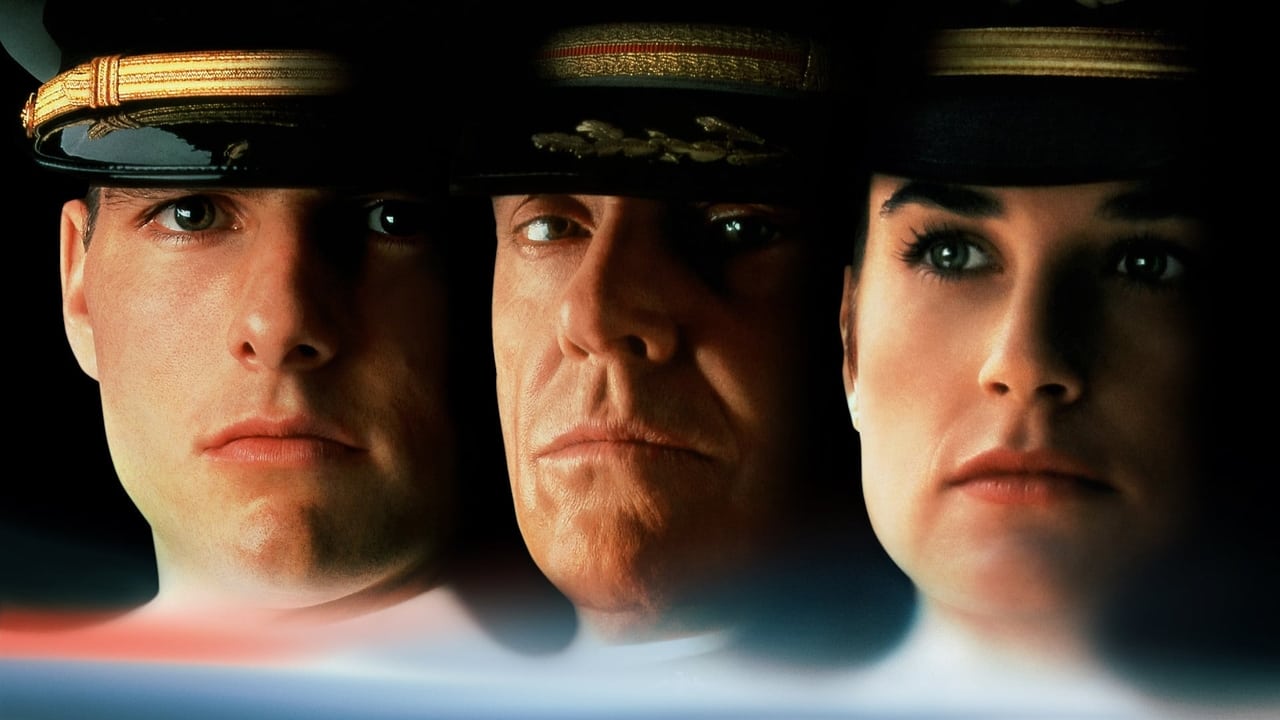
    A Few Good Men

    During a court-martial, Kaffee questions Corporal Howard to reveal why a struggling Marine was never disciplined with an informal Code Red.

    Start a free 7-day trial — 5 downloads a day, unlimited when Pro begins

    Rehearse this scene
    Rehearse on your terms

    Choose your role and voices for the other characters. Run the scene at your own pace.

    Scene PreviewExcerpt — subscribe to read full scene

    KAFFEE

    Corporal Howard, name some reasons why a marine would get a code red?

    HOWARD

    Being late for platoon or company meetings, keeping his barracks in disorder, falling back on a run...

    KAFFEE

    Have you ever received a code red?

    End of preview. Continue with Pro below.

    7 days freeYour next rehearsal starts here

    Found your next scene? Make it yours.

    Start your free trial and read The Code Red Interrogation in full, with access to 5,500+ monologues and scenes to explore next.

    • Read the full scene and explore the library
    • Download your script in a clean, printable format
    • Take it into rehearsal with the Script Reader
    Casting Types
    Get Feedback
    Coming Soon

    Want expert coaching on this scene?

    Browse our curated list of acting coaches, dialect specialists, and more.

    Find a Coach

    Need representation?

    Browse verified agents and casting directors in our directory.

    Scene Notes & Audition Tips

    5 sections
    About This Scene

    This intense dramatic scene, titled "The Code Red Interrogation," originates from the acclaimed film *A Few Good Men*, penned by the masterful Aaron Sorkin. It features a pivotal courtroom exchange where the character Kaffee interrogates Corporal Howard to unearth crucial information about the military's unofficial disciplinary practice known as a "Code Red." The dynamic involves Kaffee probing Howard about the disparity in how this unofficial discipline was applied, specifically regarding a deceased Marine, creating significant tension and building towards a crucial revelation. This moment is central to the film's exploration of justice, discipline, and the complexities within military command.

    Character Analysis

    Kaffee, a lawyer, demonstrates sharp intellect and a relentless pursuit of the truth, often using strategic questioning to corner witnesses. He navigates the interrogation with a growing sense of conviction, pushing past resistance to expose underlying motives. Corporal Howard, on the other hand, is a Marine caught between loyalty to his unit and the pressure of a formal court setting, displaying a mixture of deference, honesty, and perhaps underlying fear. The scene also includes Ross, whose interjections represent the opposing counsel's attempts to control the narrative, adding another layer to the courtroom drama.

    Why This Works for Auditions

    This group scene provides a fantastic opportunity for actors to showcase their ability to handle rapid-fire dialogue, exhibit intense emotional shifts, and portray complex character motivations under pressure. The interrogation format naturally builds tension and allows for clear objectives for each character, making it easy to define and play. The back-and-forth dynamic demands strong listening skills and reactive performances, which are highly valued in audition settings. Its contemporary period and intense tone make it versatile for various dramatic casting calls.

    Best Suited For

    "The Code Red Interrogation" is exceptionally well-suited for drama school auditions, agent showcases, self-tapes, and general practice for actors in the 25-35 age range. It particularly shines for actors looking to portray roles such as Lawyers, Military personnel, Leading Men, Young Professionals, or Everyman types, given the casting types associated with the source material. The scene's focus on justice and military themes also makes it ideal for those targeting projects within these genres, highlighting an actor's capacity for controlled intensity and argumentative prowess.

    Performance Tips

    When approaching this scene, actors should focus on clearly defining their character's objective within each line and moment. For Kaffee, consider how each question builds towards exposing a truth, using precision and an escalating sense of purpose. For Howard, explore the internal conflict between honesty and loyalty, allowing moments of hesitation or genuine conviction to surface. Pay close attention to the rhythm and pacing of Sorkin's dialogue, which often features quick exchanges and overlapping thoughts, ensuring each actor actively listens and responds rather than merely waiting for their cue.

    No ratings yet
    Sign in to rate