
Film
duologue
["Drama","Romance"]

The Confession and the Plan

from Lady Chatterley's Lover

Written by David Magee

Lady Chatterley's Lover

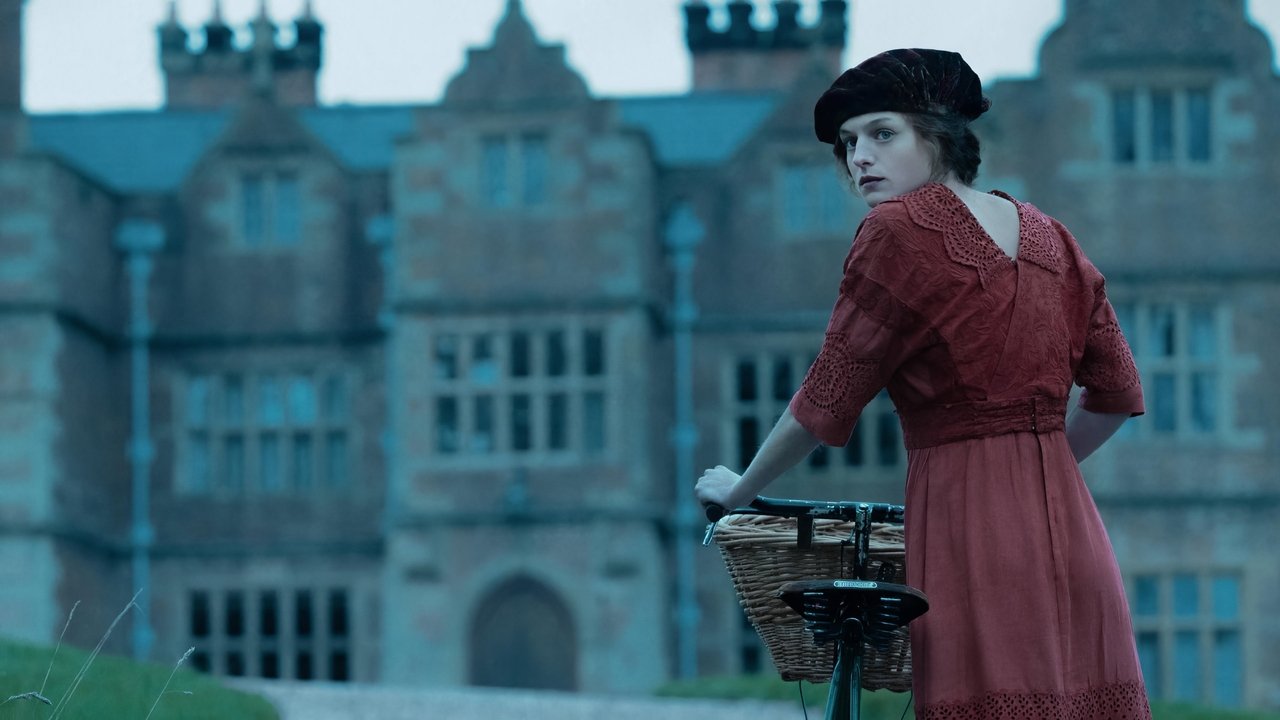
Connie informs Mellors that she is leaving for Venice and reveals she has told her husband about her pregnancy, implying the child resulted from a future affair. Mellors reacts with hurt and anger, feeling used as a mere tool for Connie to produce an heir for her aristocratic life. The scene explores the painful intersection of class dynamics and romantic vulnerability.

Start a free 7-day trial — 5 downloads a day, unlimited when Pro begins

Rehearse this scene
Rehearse on your terms

Choose your role and voices for the other characters. Run the scene at your own pace.

Scene PreviewExcerpt — subscribe to read full scene

CONNIE

You know how much you mean to me, don’t you?

MELLORS

And you to me.

CONNIE

... Because I have to go away for awhile. To Venice.

MELLORS

With Sir Clifford? For how long?

CONNIE

Just a couple of months. But not with Clifford, no. He doesn’t like to travel how he is.

End of preview. Continue with Pro below.

7 days freeYour next rehearsal starts here

Found your next scene? Make it yours.

Start your free trial and read The Confession and the Plan in full, with access to 4,000+ monologues and scenes to explore next.

  • Read the full scene and explore the library
  • Download your script in a clean, printable format
  • Take it into rehearsal with the Script Reader
Casting Types
Get Feedback
Coming Soon

Want expert coaching on this scene?

Browse our curated list of acting coaches, dialect specialists, and more.

Find a Coach

Need representation?

Browse verified agents and casting directors in our directory.

Scene Notes & Audition Tips

5 sections
About This Scene

This compelling duologue, "The Confession and the Plan," captures a raw and pivotal moment between Connie and Mellors from the film adaptation of *Lady Chatterley's Lover*. Set in Mellors' cottage, the scene unfolds as Connie reveals her impending departure to Venice and drops the bombshell that she has informed her husband, Clifford, about her pregnancy. What makes this interaction particularly explosive is Connie's implied deception: she suggests the child will be the result of a future affair, using Mellors as a means to secure an heir for her aristocratic life, leading to a deeply conflicted and accusatory confrontation.

Character Analysis

Connie, representing the Upper Class, navigates a complex emotional landscape, exhibiting vulnerability, desperation, and a strategic mind beneath her aristocratic poise. Her actions, while appearing cold to Mellors, stem from her predicament within a rigid class structure and her desire for a child, creating a character wrestling with conflicting loyalties and desires. Mellors, the Working Class Leading Man, is presented as deeply vulnerable and acutely sensitive to being exploited, reacting with a potent mix of hurt, anger, and sarcasm as he grapples with the realization that he may have been a tool in Connie's elaborate plan. Both characters offer rich internal lives to explore, defined by their social standing and their passionate but complicated affair.

Why This Works for Auditions

This scene is an excellent choice for auditions due to its powerful dramatic tension, showcasing an actor's ability to navigate complex emotional shifts within a single interaction. The clear arc of revelation, conflict, and emotional fallout provides ample opportunity for both actors to demonstrate dynamic range, from subtle vulnerability to explosive anger. Its contemporary feel, despite its period source, resonates with modern themes of class, betrayal, and romantic entanglement, making it highly relevant and engaging for casting directors seeking nuanced performances.

Best Suited For

"The Confession and the Plan" is ideally suited for actors in their 20s or 30s who excel at portraying deeply conflicted, vulnerable, and accusatory tones. It particularly benefits those looking to showcase their ability to handle intense dramatic material involving themes of betrayal, class struggle, and heartbreak. This duologue is perfect for a Leading Lady and Leading Man type, especially if they can embody both upper-class sophistication and working-class grit, making it a strong piece for general practice, agent showcases, or self-tapes.

Performance Tips

When approaching this scene, actors should focus on the underlying power dynamics and the profound sense of betrayal. For Connie, explore the quiet desperation and strategic thinking behind her confession, ensuring that her vulnerability doesn't overshadow her calculated intent. For Mellors, lean into the escalating anger and hurt, allowing his working-class pride to fuel his accusations and sense of being used, but also reveal the deep love and pain beneath his cutting remarks. Pay close attention to the subtext, pauses, and the shifts in eye contact to convey the unspoken history and the gravity of their emotional stakes.

Explore this topic