Film
duologue
Drama
Comedy-Drama

The Critic's Defense

from Starcrossed

Written by Michael Wightman

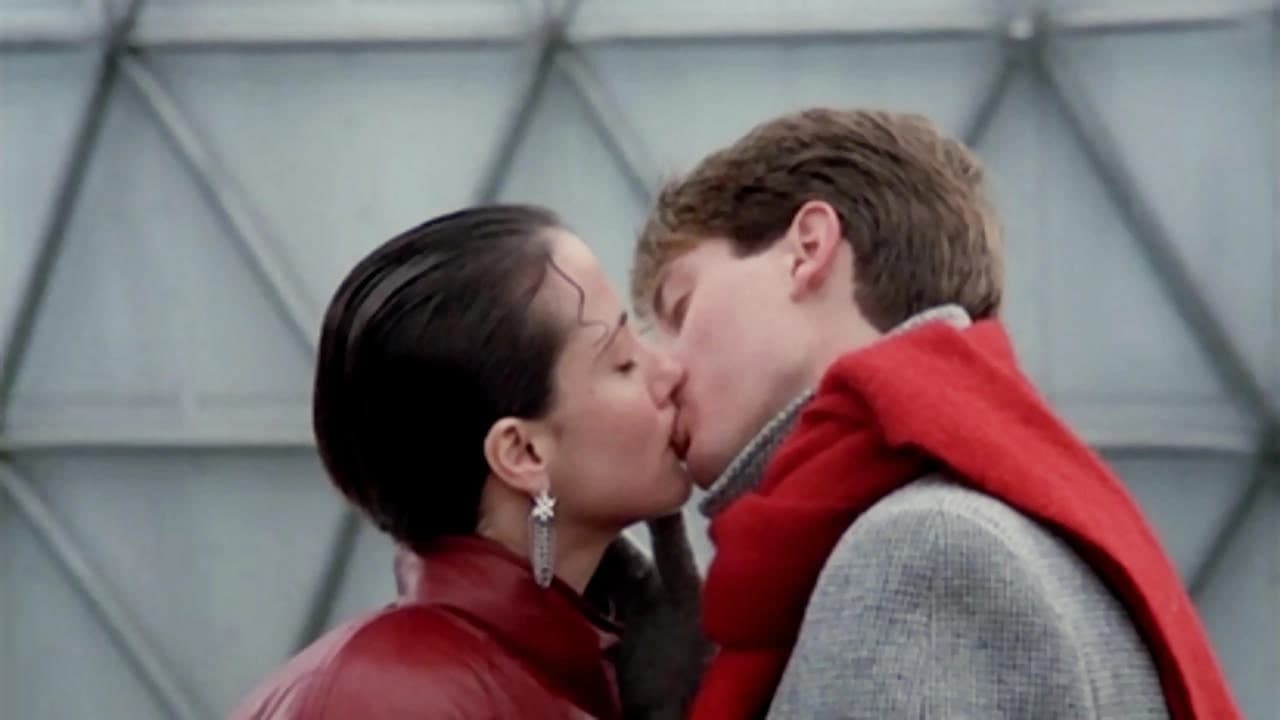
Starcrossed

A pretentious food critic justifies his harsh review to a chef, arguing that his role is to provoke artistic progress through dissatisfaction.

Start a free 7-day trial — 5 downloads a day, unlimited when Pro begins

Rehearse this scene
Rehearse on your terms

Choose your role and voices for the other characters. Run the scene at your own pace.

Scene PreviewExcerpt — subscribe to read full scene

JONATHAN

My job isn’t to like. You like your mother-in-law’s Thanksgiving stuffing. It’s good stuffing. It looks nice on the Lennox china she takes out of the curio cabinet twice a year. But you don’t think about it. It’s mindless, automatic. You probably don’t even know why you like it -- who knows, maybe you really even don’t?

End of preview. Continue with Pro below.

7 days freeYour next rehearsal starts here

Found your next scene? Make it yours.

Start your free trial and read The Critic's Defense in full, with access to 4,000+ monologues and scenes to explore next.

  • Read the full scene and explore the library
  • Download your script in a clean, printable format
  • Take it into rehearsal with the Script Reader
Casting Types
Get Feedback
Coming Soon

Want expert coaching on this scene?

Browse our curated list of acting coaches, dialect specialists, and more.

Find a Coach

Need representation?

Browse verified agents and casting directors in our directory.

Scene Notes & Audition Tips

5 sections
About This Scene

"The Critic's Defense" from the film *Starcrossed* is an intense dramatic duologue featuring Jonathan, a sophisticated food critic, and Kat, a chef. This contemporary one-minute scene captures a high-stakes confrontation where Jonathan articulates his controversial philosophy of criticism, arguing it serves to challenge and elevate artistic standards rather than merely to praise. The tension stems from Jonathan's unapologetic stance on his harsh review, pushing Kat to question her own artistic integrity and ambition. This piece offers a rich dynamic for actors to explore themes of pretension, artistic purpose, and the power of evaluation.

Character Analysis

Jonathan, in his 50s, embodies the "Authority Figure" and "Sophisticated" casting types, driven by a conviction that his role as a critic is to provoke and inspire innovation, not just to appreciate. He views himself as a catalyst for "progress," using vivid metaphors to justify his demanding and seemingly negative approach. Kat, in her 40s, represents the "Young Professional" or an artist confronted by an external, challenging force. While her lines are fewer, her character holds the emotional weight of receiving a brutal critique, forcing her to react and internally grapple with Jonathan's provocative worldview.

Why This Works for Auditions

This scene is an excellent choice for auditions due to its clear dramatic arc and sharp, articulate dialogue that allows both actors to showcase strong character choices. The contemporary setting and relatable conflict around artistic judgment make it highly resonant, while the "intense" tone provides ample opportunity for emotional depth without resorting to histrionics. Its concise duration of approximately one minute is ideal for self-tapes, general practice, and especially agent showcases, as it quickly establishes character and performance range. The distinctive voices of Jonathan and Kat offer a memorable and impactful impression.

Best Suited For

"The Critic's Defense" is particularly well-suited for actors in the 45-55 age range, with Kat fitting a 40s profile and Jonathan a 50s. It caters to actors comfortable portraying "Character Actor" and "Intense" casting types who can convincingly embody intellectual gravitas, a challenging presence, or a professional under scrutiny. This scene is perfect for individuals looking to display nuanced dramatic work, especially those who excel at delivering complex arguments with conviction or reacting to such powerful assertions. It's an excellent vehicle for showcasing sophisticated verbal sparring and contained emotional intensity.

Performance Tips

When approaching this scene, Jonathan should focus on intellectual authority and unwavering conviction, delivering his lines with a calculated passion rather than anger. Explore the subtext of his "push for progress" and the potential loneliness of his critical perspective, ensuring his pretension is rooted in a genuine, albeit challenging, philosophy. Kat's performance, though less verbose, is crucial; her reactions should convey a blend of frustration, bewilderment, and perhaps a flicker of grudging understanding. Pay close attention to active listening and how each character's posture and eye contact reflect their position in this power dynamic.

Explore this topic