Film
duologue
Thriller

The Daughter's Confession

from Mr. Brooks

Written by Bruce A. Evans, Raynold Gideon

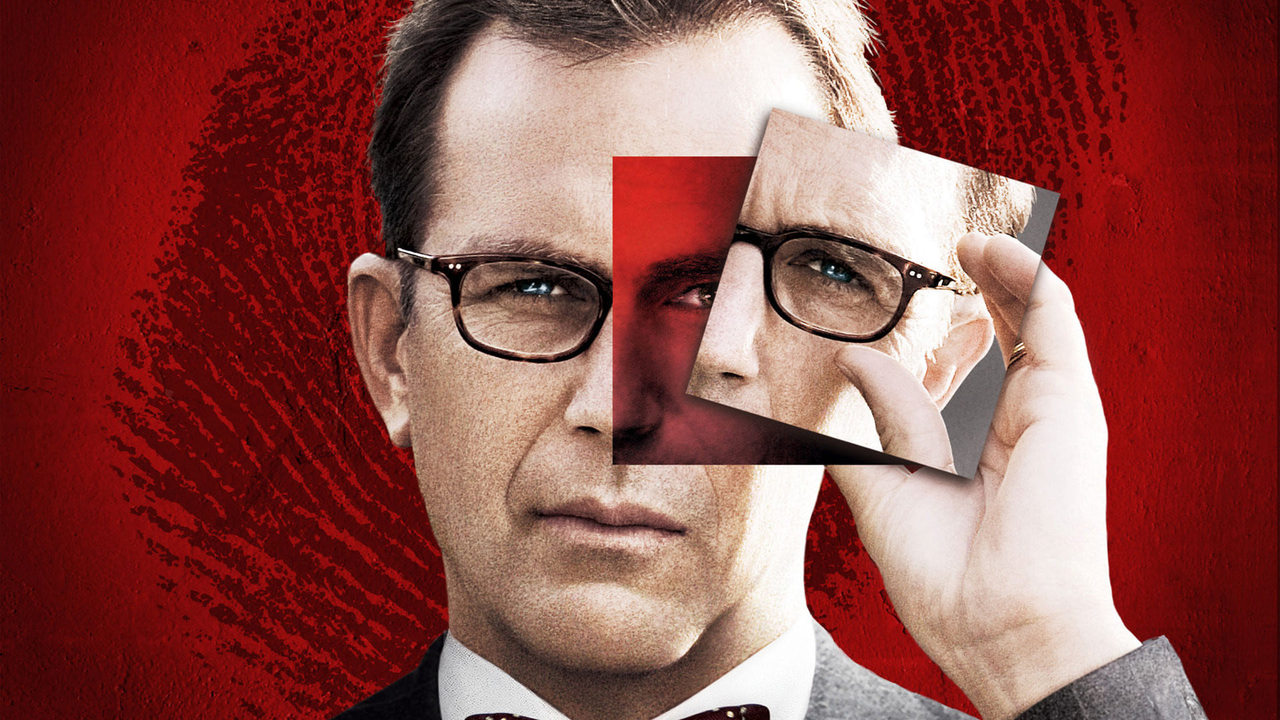
Mr. Brooks

Earl Brooks confronts the terrifying realization that his daughter has inherited his murderous compulsions after she commits a sloppy homicide. He debates with his imaginary alter-ego, Marshall, whether he should protect her as he always has or allow her to face the legal consequences to stop her cycle of violence.

Start a free 7-day trial — 5 downloads a day, unlimited when Pro begins

Rehearse this scene
Rehearse on your terms

Choose your role and voices for the other characters. Run the scene at your own pace.

Scene PreviewExcerpt — subscribe to read full scene

MR. BROOKS

God help me. What do I do?

MARSHALL

She did it, didn't she?

MR. BROOKS

Yeah. It'll take the Cops a week to ten days to put their case together and then they'll come back and arrest her.

MARSHALL

What are you going to do?

MR. BROOKS

I've been afraid of this since the day she was born. She has what I have.

End of preview. Continue with Pro below.

7 days freeYour next rehearsal starts here

Found your next scene? Make it yours.

Start your free trial and read The Daughter's Confession in full, with access to 1,000+ monologues and scenes to explore next.

  • Read the full scene and explore the library
  • Download your script in a clean, printable format
  • Take it into rehearsal with the Script Reader
Casting Types
Get Feedback
Coming Soon

Want expert coaching on this scene?

Browse our curated list of acting coaches, dialect specialists, and more.

Find a Coach

Need representation?

Browse verified agents and casting directors in our directory.

Scene Notes & Audition Tips

5 sections
About This Scene

This intense duologue plunges into the dark heart of a father's ultimate fear: his daughter inheriting his violent tendencies. The scene captures a pivotal moment as Mr. Brooks grapples with the fallout of his daughter's impulsive, murderous act, navigating the anguish of parental responsibility with the chilling reality of his own addiction. The dialogue between Mr. Brooks and his imaginary alter-ego, Marshall, exposes a profound internal conflict, making for a gripping and complex character study.

Character Analysis

Mr. Brooks is a man consumed by guilt, regret, and a terrifying secret identity, now confronted with the mirrored darkness in his child. He is desperate and anguished, torn between his instinct to protect his daughter and a dawning realization that perhaps legal consequences are the only way to break her cycle of violence. Marshall, his alter-ego, serves as a dark, cynical, and logical counterpoint, pushing Mr. Brooks to confront the brutal truth of his situation while also subtly manipulating his decisions. Both characters are deeply morally conflicted, representing the internal battle within one man.

Why This Works for Auditions

This scene offers actors a fantastic opportunity to showcase a wide range of intense emotions and complex character work. The duologue format, with one actor playing both the main character and his inner voice, demands nuanced vocal shifts and physical distinctions, allowing for a compelling display of versatility. The high stakes, morally conflicted themes, and dark tone provide fertile ground for a memorable and impactful audition that demonstrates depth and control.

Best Suited For

This scene is exceptionally well-suited for male identifying actors in their 40s to 50s who excel at portraying leading men with dark undertones, anti-heroes, or complex villains. It would especially shine for actors aiming for roles that require a blend of intellectual intensity, hidden darkness, and profound emotional anguish. This piece is ideal for self-tapes, general practice sessions to stretch dramatic muscles, or even agent showcases where demonstrating range and emotional depth is paramount.

Performance Tips

When approaching this scene, focus on clearly delineating the two characters, Mr. Brooks and Marshall, through distinct vocal qualities, posture, and eye lines, even without a scene partner. For Mr. Brooks, lean into the anguish and desperation, allowing his internal torment to be visible in your performance. For Marshall, embody his colder, more manipulative, and logical nature, possibly with a slightly detached or sardonic delivery. Pay close attention to the shifts in power dynamics between the two, as Marshall often pushes Mr. Brooks to confront uncomfortable truths, highlighting the profound internal struggle at the core of this compelling duologue.

Explore this topic