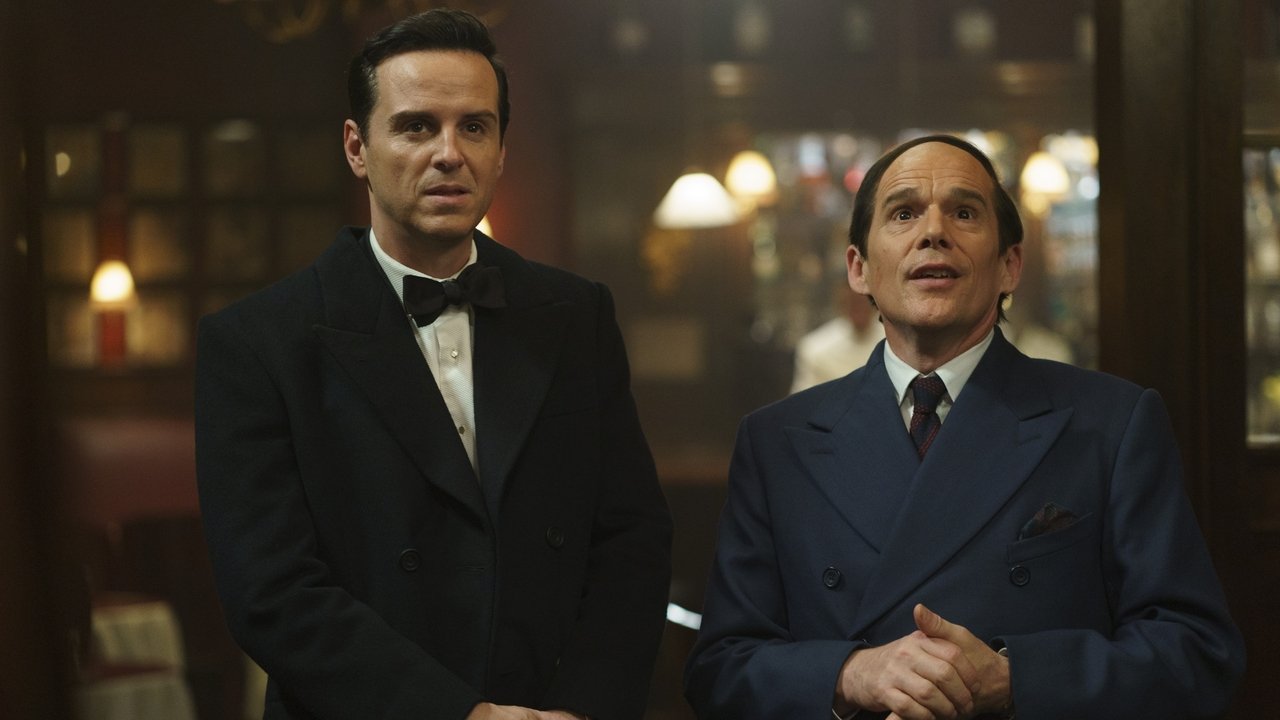
Legendary songwriting partners Richard Rodgers and Lorenz Hart engage in a heated confrontation regarding their creative differences and Hart's declining health. As Rodgers finds new success with Oscar Hammerstein, Hart struggles to defend his artistic integrity and personal relevance in a changing industry.
HART: What? It’s too easy.
RODGERS: Oklahoma! is too easy? The guy actually getting the girl at the end is too easy? You’ve just eliminated every successful musical comedy ever written, Larry--
HART: Then it’s too easy for me.
RODGERS: Did you hear the audience tonight?
HART: Yes.
About This Scene
This dramatic duologue, "The End of Rodgers and Hart," from the film Blue Moon, features an intense confrontation between the legendary songwriting partners, HART and RODGERS. Set in a contemporary period, the scene delves into the painful dissolution of their creative collaboration amidst rising success for Rodgers with a new partner and Hart's personal struggles. It offers a powerful exploration of loyalty, artistic integrity, and the harsh realities of a changing industry, making it an emotionally charged and compelling piece for actors.
Character Analysis
HART is presented as vulnerable yet fiercely protective of his artistic vision, struggling with both professional relevance and his personal demons, including addiction. He is a character grappling with a sense of betrayal and a desperate need to prove his worth in the face of his partner's shifting loyalties and new successes. RODGERS, on the other hand, is outwardly more successful and pragmatic, trying to navigate the delicate balance between his enduring friendship with Hart and his own burgeoning career. He exhibits a blend of concern, frustration, and perhaps a touch of defensiveness regarding his new creative direction, highlighting the complexities of their strained relationship.
Why This Works for Auditions
This scene is an excellent choice for auditions due to its high emotional stakes, allowing actors to showcase a broad range of feelings within a short duration. The dialogue is sharp, intelligent, and rich with subtext, providing ample opportunity for nuanced performance and strong character choices. The conflict between creative differences, personal struggles, and professional success offers a compelling narrative arc that will immediately draw in casting directors and demonstrate an actor's ability to handle intense, character-driven material.
Best Suited For
"The End of Rodgers and Hart" is best suited for male actors in the 35-45 age range, particularly those who excel at portraying intense, vulnerable, or sophisticated characters. It is ideal for drama school auditions, agent showcases, and self-tapes where actors need to convey depth and emotional complexity. This scene would particularly appeal to actors aiming for leading man or character actor roles, as it requires a strong stage presence and the ability to articulate profound internal conflict and a troubled yet enduring bond.
Performance Tips
Actors performing this scene should focus on the underlying history and deep emotional bond between HART and RODGERS, even amidst their conflict. For HART, explore the desperation and artistic pride that fuels his defensiveness, allowing his vulnerability to surface through his resistance. For RODGERS, emphasize the genuine concern for his friend, tempered by the frustration of past issues and the excitement of new professional avenues. Pay close attention to the rhythm of the dialogue and the unspoken history between them to create a sense of authenticity and high stakes.