Film
duologue
Drama

The Essay

from The Whale

Written by Samuel D. Hunter

The Whale

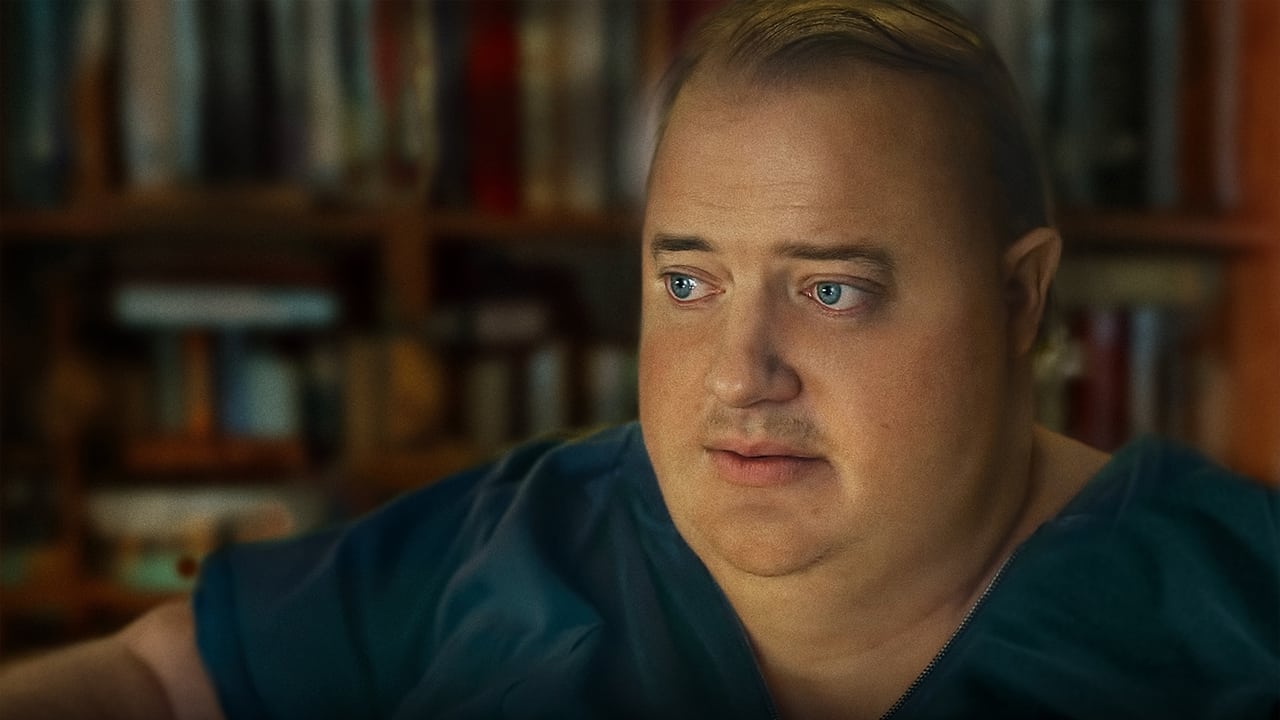
A morbidly obese man, Charlie, is in distress and asks a young missionary, Thomas, to read an essay to him. After the reading, Charlie reveals his fear of dying and his reluctance to go to a hospital, while Thomas attempts to offer spiritual comfort.

Start a free 7-day trial — 5 downloads a day, unlimited when Pro begins

Rehearse this scene
Rehearse on your terms

Choose your role and voices for the other characters. Run the scene at your own pace.

Scene PreviewExcerpt — subscribe to read full scene

THOMAS

Oh, gosh, are you--? Should I call an ambulance? I should call an ambulance--

CHARLIE

to me.

CHARLIE

Read this to me.

THOMAS

My phone is dead, do you have--?

CHARLIE

PLEASE JUST READ IT TO ME!

End of preview. Continue with Pro below.

7 days freeYour next rehearsal starts here

Found your next scene? Make it yours.

Start your free trial and read The Essay in full, with access to 1,000+ monologues and scenes to explore next.

  • Read the full scene and explore the library
  • Download your script in a clean, printable format
  • Take it into rehearsal with the Script Reader
Casting Types
Get Feedback
Coming Soon

Want expert coaching on this scene?

Browse our curated list of acting coaches, dialect specialists, and more.

Find a Coach

Need representation?

Browse verified agents and casting directors in our directory.

Scene Notes & Audition Tips

5 sections
About This Scene

This intense duologue, "The Essay," from the Oscar-winning film *The Whale*, offers a poignant exploration of mortality and connection. It features CHARLIE, a morbidly obese man in distress, and THOMAS, a young missionary attempting to offer comfort. The scene’s dramatic weight comes from Charlie's vulnerability and his fear of death, contrasted with Thomas's earnest but somewhat naive efforts to provide spiritual solace amidst a very real medical emergency.

Character Analysis

CHARLIE is a character defined by profound vulnerability and a deep-seated fear of medical intervention. Despite his physical condition, he possesses an intellectual depth, revealed through his connection to the essay. THOMAS, on the other hand, is earnest and well-meaning, yet perhaps a little overwhelmed by the situation. He represents a youthful, spiritual perspective struggling to grapple with raw, physical suffering. Both characters are navigating a highly charged and unexpected encounter that pushes them to confront their beliefs and limitations.

Why This Works for Auditions

"The Essay" is an exceptional choice for auditions because it showcases a wide range of emotional dynamics within a concise timeframe. Actors can demonstrate vulnerability, distress, intellectualism, and the struggle for genuine connection, all while managing an underlying current of urgency. The power dynamic shifts throughout the scene, offering rich opportunities for actors to explore nuance in performance, making it ideal for demonstrating depth and intensity.

Best Suited For

This scene is particularly well-suited for male actors in the 25-35 age range who can embody either a vulnerable, complex character or a well-intentioned, slightly out-of-his-depth individual. It caters to casting types such as "Character Actor," "Vulnerable," "Intense," "Young Professional," or even "Priest / Clergy" due to Thomas's missionary role. Its intense tone and exploration of mortality and faith make it highly effective for drama school auditions, self-tapes, and general practice sessions where showcasing emotional range is paramount.

Performance Tips

When approaching CHARLIE, focus on conveying his physical discomfort and deep-seated fear without resorting to caricature; his intellectual side and hidden strength are equally important. For THOMAS, emphasize his genuine desire to help, even if his methods are not entirely appropriate for the immediate situation. Pay close attention to the shifts in their emotional states and power dynamics, using pauses and subtle reactions to build tension and reveal character. Remember that Charlie's request to hear the essay is a desperate plea for comfort, not just a casual ask, which deeply informs the scene's core.

Explore this topic