Skip to content
    Film
    monologue
    Drama
    Comedy-Drama

    The Ethan Allen Story

    from Lincoln

    Written by Tony Kushner

    Lincoln

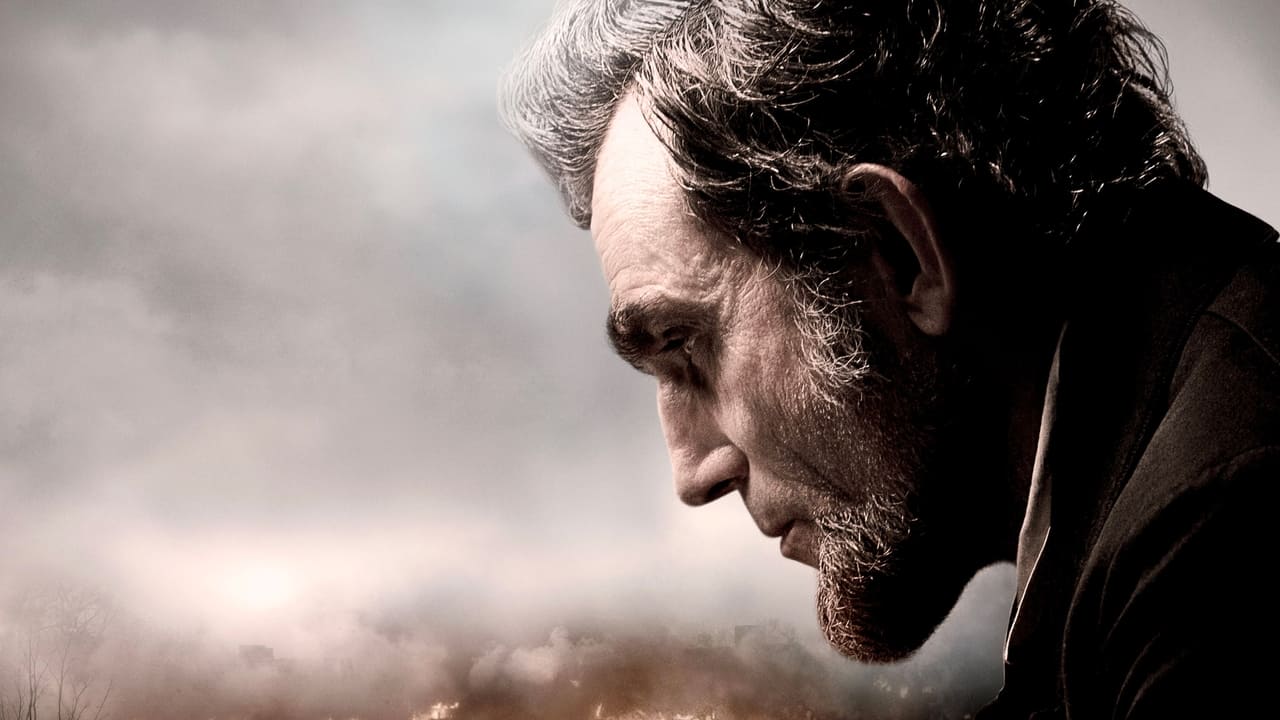
    President Abraham Lincoln tells a humorous anecdote about Ethan Allen in a London water closet to ease the tension while waiting for urgent military dispatches. The scene highlights Lincoln's use of storytelling as a leadership tool and a way to manage his own anxiety during the Civil War.

    Start a free 7-day trial — 5 downloads a day, unlimited when Pro begins

    Rehearse on your terms

    Take this monologue into rehearsal and work through it at your own pace.

    Scene PreviewExcerpt — subscribe to read full scene

    LINCOLN

    It was right after the Revolution, right after peace had been concluded, and Ethan Allen went to London to help our new country conduct its business with the king. The English sneered at how rough we are, and rude and simple-minded and on like that, everywhere he went, till one day he was invited to the townhouse of a great English lord. Dinner…

    End of preview. Continue with Pro below.

    7 days freeYour next rehearsal starts here

    Found your next scene? Make it yours.

    Start your free trial and read The Ethan Allen Story in full, with access to 5,500+ monologues and scenes to explore next.

    • Read the full scene and explore the library
    • Download your script in a clean, printable format
    • Take it into rehearsal with the Script Reader
    Casting Types
    Get Feedback
    Coming Soon

    Want expert coaching on this scene?

    Browse our curated list of acting coaches, dialect specialists, and more.

    Find a Coach

    Need representation?

    Browse verified agents and casting directors in our directory.

    Scene Notes & Audition Tips

    5 sections
    About This Scene

    This powerful monologue from the film "Lincoln" features President Abraham Lincoln during a tense moment, awaiting crucial military dispatches. To alleviate the palpable anxiety in the room and soothe his own nerves, Lincoln recounts a humorous anecdote about Ethan Allen's post-Revolutionary War visit to London. The scene beautifully illustrates Lincoln's masterful use of storytelling not just as an entertainment tool, but as a strategic leadership device to manage stress and morale amidst the intense pressures of war.

    Character Analysis

    Lincoln, as portrayed in this scene, is an extraordinary blend of profound gravitas and surprising wit. He is an authoritative figure, the President during a pivotal moment in history, yet he possesses a common touch and a relatable sense of humor. His storytelling isn't just a diversion; it reveals his intelligence, his understanding of human nature, and his calm under immense pressure. He is a leader who uses his intellect and charm to navigate complex situations, projecting a reassuring presence even when internally anxious.

    Why This Works for Auditions

    This monologue is an excellent choice for auditions because it showcases an actor's ability to embody a complex, multi-layered character. It demands a performance that can skillfully balance humor with underlying tension, demonstrating both comedic timing and a deep emotional range. The historical context and powerful narrative provide rich material for an actor to delve into, allowing them to portray intellect, leadership, and vulnerability within a relatively short duration.

    Best Suited For

    This piece is particularly well-suited for male actors aged 55 and above, especially those aiming for leading man, authority figure, patriarch, or dramatic roles. Its historical nature makes it ideal for drama school auditions or agent showcases where a commanding presence and sophisticated character work are valued. The blend of humor and underlying seriousness also makes it perfect for actors who can convey both warmth and power, highlighting their versatility.

    Performance Tips

    When approaching this monologue, focus on Lincoln's intent behind the story. He's not simply telling a joke; he's using it as a coping mechanism and a leadership tool. Allow the underlying tension and anxiety of waiting for wartime news to inform your delivery, making the humor a deliberate choice to ease that pressure. Pay attention to pacing, allowing the story to unfold naturally while building to the punchline, and let the relief and slight melancholy after the laughter settle on you before the focus shifts back to the dispatches.

    No ratings yet
    Sign in to rate