Film
monologue
Sci-Fi
Drama

The Evolution of Suffering

from The Matrix

Written by Lilly Wachowski, Lana Wachowski

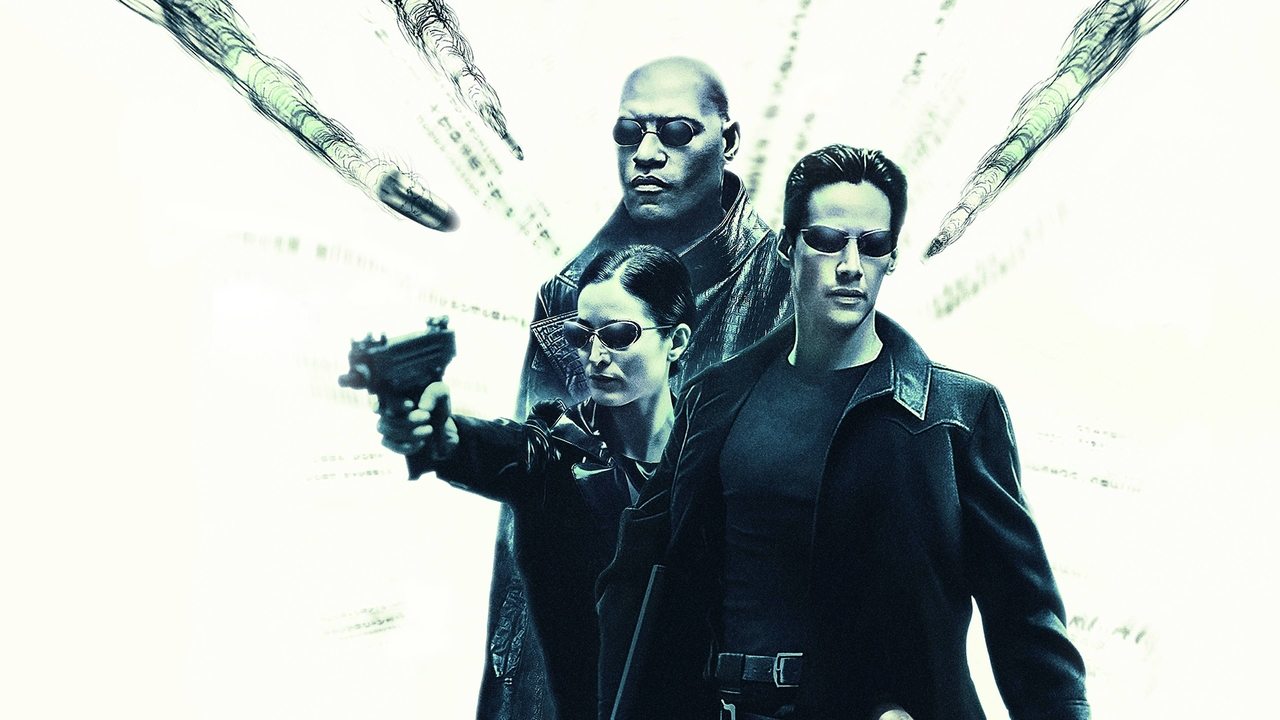
The Matrix

Agent Smith interrogates a captive Morpheus, explaining the history of the Matrix and his theory on human nature. He argues that humans require suffering to accept reality and declares that the era of humanity has ended to make way for the machines.

Start a free 7-day trial — 5 downloads a day, unlimited when Pro begins

Rehearse on your terms

Take this monologue into rehearsal and work through it at your own pace.

Scene PreviewExcerpt — subscribe to read full scene

AGENT SMITH

Have you ever stood and stared at it, Morpheus? Marveled at its beauty. Its genius. Billions of people just living out their lives... oblivious. Did you know that the first Matrix was designed to be a perfect human world? Where none suffered, where everyone would be happy. It was a disaster. No one would accept the program. Entire crops were…

End of preview. Continue with Pro below.

7 days freeYour next rehearsal starts here

Found your next scene? Make it yours.

Start your free trial and read The Evolution of Suffering in full, with access to 1,000+ monologues and scenes to explore next.

  • Read the full scene and explore the library
  • Download your script in a clean, printable format
  • Take it into rehearsal with the Script Reader
Casting Types
Get Feedback
Coming Soon

Want expert coaching on this scene?

Browse our curated list of acting coaches, dialect specialists, and more.

Find a Coach

Need representation?

Browse verified agents and casting directors in our directory.

Scene Notes & Audition Tips

5 sections
About This Scene

This monologue, titled "The Evolution of Suffering," comes from the iconic film *The Matrix*, delivered by the chilling Agent Smith to a captive Morpheus. It unfolds as a tense interrogation, where Smith, embodying a cold, calculating authority, reveals his profound and cynical perspective on human nature and the history of the Matrix itself. He postulates that suffering is fundamental to human reality and uses this theory to justify the machines' dominance, declaring the end of humanity's era. The scene is rich with philosophical undertones, set against a dystopian backdrop, and presents a compelling villain's rationale.

Character Analysis

Agent Smith is a sophisticated and intense authority figure, characterized by his unwavering conviction and chilling detachment. He is not merely an enforcer but an ideologue, meticulously explaining his worldview with a dark intellectualism. His monologue demonstrates a profound sense of superiority and a deep contempt for humanity, framed by a distorted understanding of its psychology. Actors should explore his complete lack of empathy, his analytical precision, and the subtle, yet powerful, menace that underpins his every word, revealing a villain who believes wholeheartedly in his own, terrifying truth.

Why This Works for Auditions

This monologue is an excellent choice for auditions because it showcases an actor's ability to embody complex villainy and intellectual intensity. It demands a performance that combines philosophical depth with a palpable sense of power and control. The scene allows for a strong demonstration of character commitment, as the actor must convey Agent Smith's unwavering conviction and unsettling calmness under pressure. The direct address to an unseen or implied Morpheus also provides a clear objective, allowing an actor to engage with a scene partner even in a solo performance.

Best Suited For

This material is ideally suited for male actors aged 35-45 looking to portray a sophisticated villain or an intense authority figure. Its themes of power dynamics, philosophical arguments, and dystopian control make it perfect for those auditioning for sci-fi, thriller, or dramatic roles that require a cerebral antagonist. This monologue is particularly strong for self-tapes and general practice, allowing actors to deeply explore a nuanced character.

Performance Tips

Focus on Agent Smith's cold intellect and measured delivery. Avoid overt villainous theatrics; instead, let the chilling nature of his arguments and his absolute certainty drive the performance. Consider the weight of each word, ensuring his explanation of human suffering feels like a profound, if twisted, revelation rather than a mere threat. Pay attention to pacing, allowing pauses to build tension and emphasize key philosophical points. Maintain eye contact (even with an imagined scene partner) and convey a subtle, simmering power beneath his calm exterior, embodying a character who truly believes in his own superiority.

Explore this topic