
Film
monologue
Drama
Comedy-Drama

The Eye and the Surprise Ending

from Big Fish

Written by John August

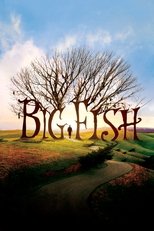
Big Fish

Will attempts to reconcile with his dying father, Edward, who continues to use tall tales and humor to avoid facing his mortality.

Start a free 7-day trial — 5 downloads a day, unlimited when Pro begins

Rehearse on your terms

Take this monologue into rehearsal and work through it at your own pace.

Scene PreviewExcerpt — subscribe to read full scene

WILL: Dad?

EDWARD

You -- -- are in for a surprise. WILL: Am I?

EDWARD

Having a kid changes everything. I mean, there's the diapers and the burping and the midnight feedings... WILL: Did you do any of that?
End of preview. Continue with Pro below.

7 days freeYour next rehearsal starts here

Found your next scene? Make it yours.

Start your free trial and read The Eye and the Surprise Ending in full, with access to 4,000+ monologues and scenes to explore next.

  • Read the full scene and explore the library
  • Download your script in a clean, printable format
  • Take it into rehearsal with the Script Reader
Casting Types
Get Feedback
Coming Soon

Want expert coaching on this scene?

Browse our curated list of acting coaches, dialect specialists, and more.

Find a Coach

Need representation?

Browse verified agents and casting directors in our directory.

Scene Notes & Audition Tips

5 sections
About This Scene

This monologue features Edward Bloom from the film *Big Fish*, engaging in a poignant yet humorous exchange with his son, Will. Edward, known for elaborate storytelling, faces his mortality in a hospital setting. Rather than directly confronting his imminent death, he employs his signature blend of tall tales and wit to deflect and offer comfort, even while struggling himself. This piece offers actors a rich opportunity to explore a character using narrative as both a shield and a legacy, navigating a deeply emotional moment with an unwavering, albeit fantastical, spirit.

Character Analysis

Edward is a quintessential Patriarch and Storyteller, even in his final moments. He embodies an Everyman in his humanity but a Leading Man in his charisma and flair for the dramatic. Despite physical weakness and his approaching end, his mind remains sharp, playful, and stubbornly optimistic. His core motivation is to maintain his identity as a storyteller and avoid the mundane, even in the face of death, while subtly attempting to reassure his son. Actors should focus on Edward's underlying vulnerability and love for his son, masked by his theatricality, making him a complex and deeply affecting character.

Why This Works for Auditions

This monologue is an excellent choice for auditions as it showcases an actor's ability to balance humor, drama, and deep emotional resonance. The scene provides ample opportunity to demonstrate subtle shifts in tone, from whimsical storytelling to moments of profound, unspoken connection. Its focus on a father-son relationship and themes of mortality and reconciliation are universally relatable, allowing for a performance both specific to the character and broadly impactful. The clear objective of deflecting reality while still connecting with his son makes for a dynamic and engaging performance that can truly stand out.

Best Suited For

This monologue is particularly well-suited for male actors aged 55+ seeking to portray a Character Actor, Leading Man, or Patriarch archetype. It is ideal for those who can embody warmth, wisdom, and a touch of eccentricity, coupled with a deep emotional core. The scene is perfect for agent showcases, self-tapes, or general practice, as it allows an actor to showcase a wide emotional range within a contained, dramatic framework. Actors who excel at conveying both levity and gravitas will find this piece particularly rewarding and effective.

Performance Tips

When performing this monologue, focus on Edward's inherent theatricality and his commitment to his stories, even when challenged. Allow the humor to land naturally, but always ground it in the underlying tension of his illness and the father-son dynamic. Pay close attention to how Edward uses his stories not just to entertain, but to cope and to offer a form of comfort and legacy to his son. Explore the subtle shifts in energy as he recalls a tale versus when he addresses his son directly, revealing the vulnerability beneath his playful facade. Remember that Edward's strength lies in his spirit, not his physical condition.

Explore this topic