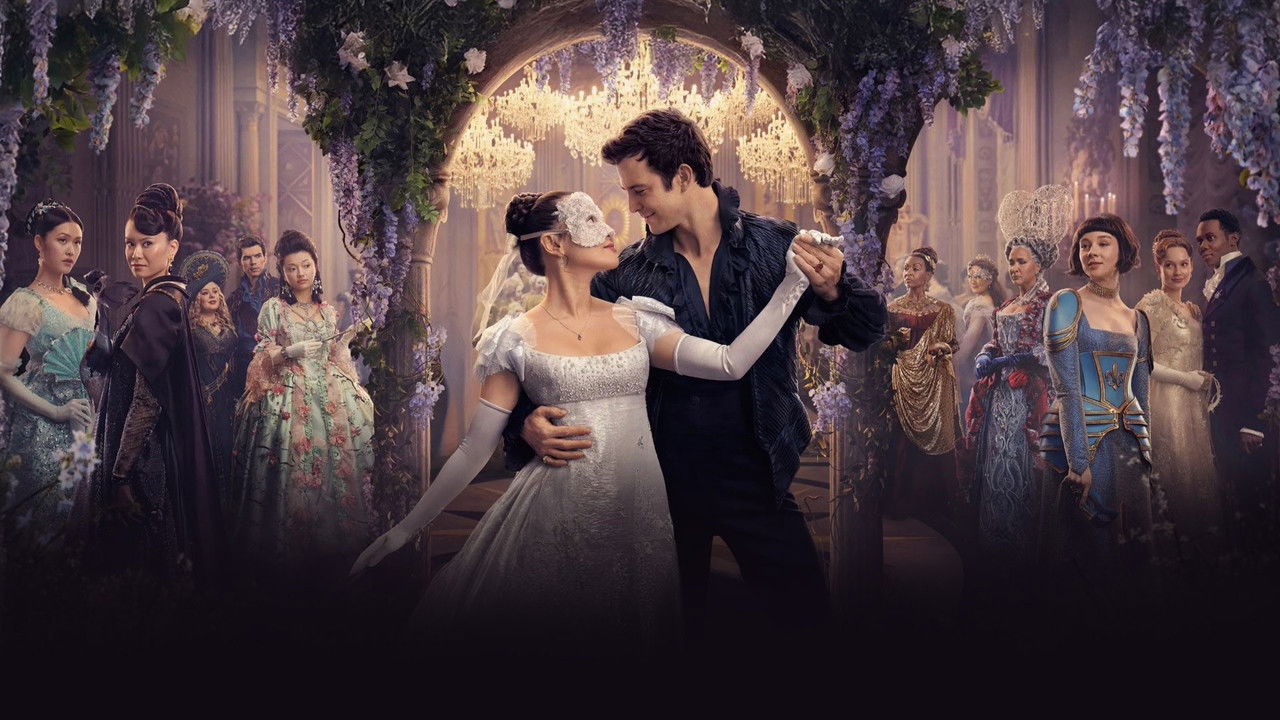

The Freedom of Being a Wallflower — Bridgerton

Eloise Bridgerton expresses her deep anxiety and resentment regarding her debut into society, feeling crushed by the pressure to live up to her sister Daphne's success. Penelope Featherington offers a different perspective, explaining the hidden advantages and freedom found in being an overlooked 'wallflower.'

ELOISE: How you managed an entire season of these absurd events alongside people like Cressida Cowper is beyond me. And it is not just her. It is all of them. Staring at me as if I were some china teapot. How did you do it on your own, Pen?

PENELOPE: I do not share your difficulties, El. Insipid wallflower. Remember?

ELOISE: That is not... Cressida is only…

PE…

Format: Duologue · Genre: Drama · Source: Bridgerton · Author: Chris Van Dusen · Characters: Eloise, Penelope

About This Scene

This compelling duologue from the Emmy-winning series Bridgerton delves into the contrasting experiences and perspectives of two young women navigating the pressures of society. Eloise Bridgerton articulates her profound anxiety and resentment regarding her social debut, feeling overwhelmed by the expectations placed upon her. Penelope Featherington, in turn, offers a nuanced and unexpectedly positive outlook on her role as an often-overlooked "wallflower," revealing the unique freedoms and insights her position affords her.

Character Analysis

Eloise is presented as an intelligent, independent, and somewhat rebellious spirit, struggling under the weight of societal expectations and the shadow of her successful sister. Her dialogue reveals a deep-seated vulnerability and a yearning for autonomy. Penelope, while outwardly appearing demure, possesses a keen observational intellect and a hidden depth, finding agency and even amusement in her seemingly invisible status. She is perceptive, loyal, and carries the burden of a significant secret.

Why This Works for Auditions

This scene is an excellent choice for auditions because it offers rich emotional territory for both actors, exploring themes of vulnerability, expectation, and the complex nature of friendship. The dialogue is well-crafted, allowing for subtle emotional shifts and genuine reactions between the characters. The contemporary period setting, despite the regency backdrop, ensures the emotional stakes are universally relatable for a modern audience and casting directors.

Best Suited For

This scene is ideal for actors in the 18-25 age range, particularly those who excel at portraying characters with intellectual depth, emotional vulnerability, or a nuanced inner life. It's particularly well-suited for performers looking to showcase an Ingenue, Outsider, or Best Friend casting type, especially within an Upper Class or Teenager context. Its dramatic tone makes it perfect for drama school auditions, self-tapes, or general practice to hone emotional range and reactive listening.

Performance Tips

When approaching this scene, focus on the subtext and unspoken emotions driving each character's dialogue. For Eloise, lean into her frustration and anxiety, but also allow moments of genuine affection for Penelope to surface. For Penelope, embody her quiet strength and the subtle pride she takes in her observations, while also hinting at the greater secret she holds. Pay close attention to the give-and-take of the conversation, allowing for authentic reactions and a natural progression of their friendship.