
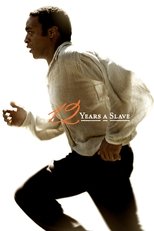
Film
group
Drama

The Gin House Weigh-In

from 12 Years a Slave

Written by John Ridley

12 Years a Slave

A chilling scene where Master Epps monitors the daily cotton harvest, praising Patsey's high yield while threatening those who fall below their previous day's quota.

Start a free 7-day trial — 5 downloads a day, unlimited when Pro begins

Rehearse this scene
Rehearse on your terms

Choose your role and voices for the other characters. Run the scene at your own pace.

Scene PreviewExcerpt — subscribe to read full scene

EPPS

Five hundred twelve. Yah men folk got no shame lettin' Patsey out pick yah? The day ain't yet come she swung lower than five hundred pounds. Queen of the fields, she is.

TREACH

Sir --

EPPS

Damned Queen. Born and bred to the field. A nigger among niggers, and God give 'er to me.

End of preview. Continue with Pro below.

7 days freeYour next rehearsal starts here

Found your next scene? Make it yours.

Start your free trial and read The Gin House Weigh-In in full, with access to 3,000+ monologues and scenes to explore next.

  • Read the full scene and explore the library
  • Download your script in a clean, printable format
  • Take it into rehearsal with the Script Reader
Casting Types
Get Feedback
Coming Soon

Want expert coaching on this scene?

Browse our curated list of acting coaches, dialect specialists, and more.

Find a Coach

Need representation?

Browse verified agents and casting directors in our directory.

Scene Notes & Audition Tips

5 sections
About This Scene

This intense group scene from *12 Years a Slave* captivates with its stark depiction of power dynamics and cruelty within the abhorrent institution of slavery. It centers around Master Epps's daily weighing of cotton, where he publicly praises Patsey for her exceptional yield while ruthlessly admonishing and threatening the male field hands for not meeting his arbitrary expectations. The scene establishes a palpable sense of fear and oppression, showcasing the arbitrary nature of the master's control and the constant struggle for survival faced by those enslaved.

Character Analysis

Epps is an unyielding and cruel master, driven by greed and a twisted sense of entitlement, who uses intimidation and public humiliation to maintain absolute control over his enslaved workforce. His character embodies the oppressive authority of the period, demonstrating a complete disregard for the humanity of others. Treach, Solomon, and Abram represent the suffering and endurance of the enslaved men, forced to passively accept Epps’s abuse while fearing his retribution. Patsey, though praised by Epps, is portrayed as a tragic figure, her exceptional productivity serving only to highlight her continued exploitation and precarious position.

Why This Works for Auditions

This scene offers a powerful opportunity for actors to showcase their ability to inhabit roles portraying complex power dynamics and raw emotional intensity. The group nature of the scene allows for strong reactive acting, as characters like Treach and Solomon must convey fear, subservience, and quiet desperation without extensive dialogue. For the actor playing Epps, it’s a chance to demonstrate a commanding, villainous presence, exploring themes of cruelty and absolute power. The historical context also demands a nuanced understanding of character and period.

Best Suited For

This scene is ideally suited for male actors aged 35-45 looking to portray characters that are intense, authoritative, and even villainous. It provides excellent material for those seeking to demonstrate their capability in dramatic roles that require a strong stage presence and the ability to convey a sense of threat. Actors targeting casting types such as "Authority Figure" or "Tough" will find this scene particularly effective. It is also highly appropriate for drama school auditions, self-tapes, and general practice for its challenging emotional landscape.

Performance Tips

When approaching Epps, focus on embodying his absolute conviction and lack of empathy, allowing his words to land with chilling weight and a sense of arbitrary power. For Treach, Solomon, and Abram, the performance lies in their reactions; convey their fear, resignation, and the subtle ways they navigate such an oppressive environment through posture, eye contact, and restrained expressions. For all characters, understanding the immense historical weight of the period will ground your performance, making the interactions feel authentic and truly agonizing. Remember that the silence and subtext in this scene are just as powerful as the spoken lines.

Explore this topic