
Film
duologue
Drama

The Great Kings of the Past

from The Lion King

Written by Irene Mecchi, Jonathan Roberts, Linda Woolverton

The Lion King

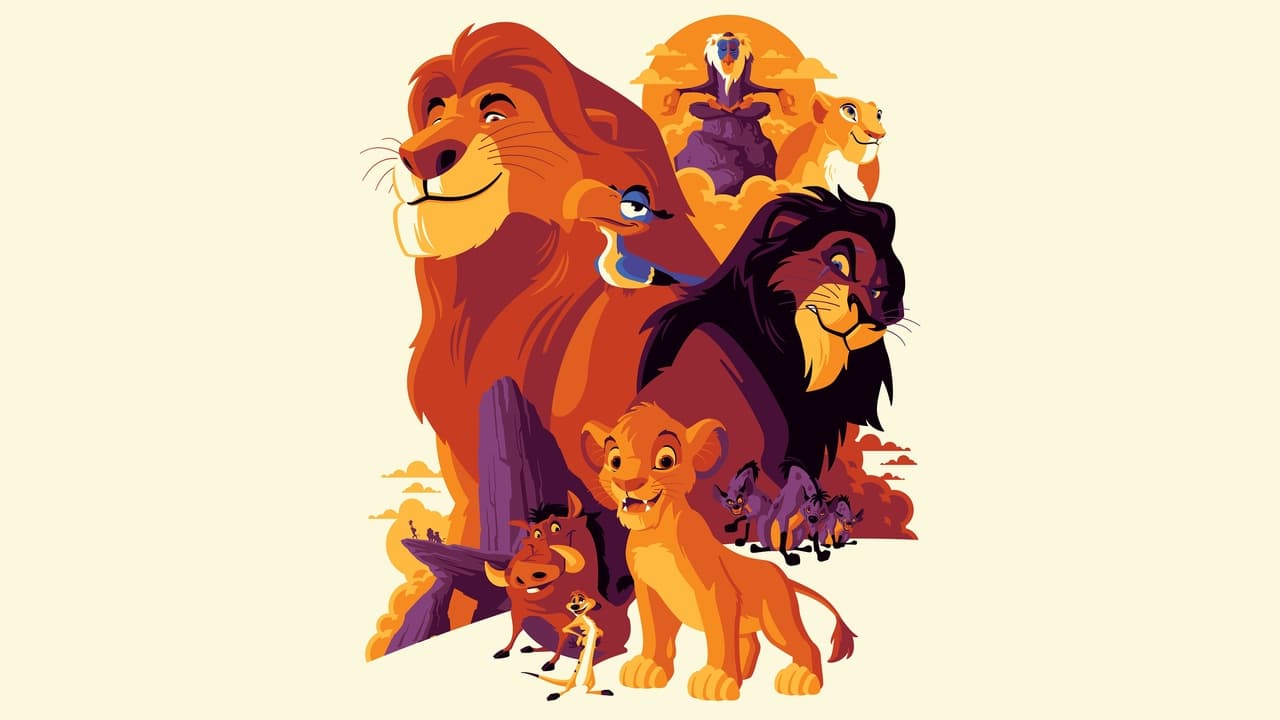
Mufasa reprimands Simba for his recklessness before sharing a tender moment of reconciliation and a lesson about the legacy of their ancestors.

Start a free 7-day trial — 5 downloads a day, unlimited when Pro begins

Rehearse this scene
Rehearse on your terms

Choose your role and voices for the other characters. Run the scene at your own pace.

Scene PreviewExcerpt — subscribe to read full scene

MUFASA

Simba, I'm very disappointed in you.

SIMBA

I know.

MUFASA

You could have been killed. You deliberately disobeyed me. And what's worse, you put Nala in danger!

SIMBA

I was just trying to be brave like you.

MUFASA

I'm only brave when I have to be. Simba... being brave doesn't mean you go looking for trouble.

End of preview. Continue with Pro below.

7 days freeYour next rehearsal starts here

Found your next scene? Make it yours.

Start your free trial and read The Great Kings of the Past in full, with access to 3,500+ monologues and scenes to explore next.

  • Read the full scene and explore the library
  • Download your script in a clean, printable format
  • Take it into rehearsal with the Script Reader
Casting Types
Get Feedback
Coming Soon

Want expert coaching on this scene?

Browse our curated list of acting coaches, dialect specialists, and more.

Find a Coach

Need representation?

Browse verified agents and casting directors in our directory.

Scene Notes & Audition Tips

5 sections
About This Scene

This iconic duologue from "The Lion King" presents a pivotal moment of father-son interaction, moving from stern reprimand to profound connection. The scene initially establishes Mufasa's disappointment in Simba's reckless behavior, highlighting themes of disobedience and potential danger. It then gracefully transitions into a tender reconciliation, where both characters reveal vulnerability and forge a deeper bond through a shared lesson about ancestry and enduring guidance.

Character Analysis

Mufasa embodies the Patriarch, Authority Figure, and Mentor archetypes in this scene, balancing firm discipline with profound love. His initial sternness quickly gives way to a gentle, protective side, demonstrating the emotional range of a father grappling with fear for his child's safety. Simba, as a child, moves from defiant bravery to quiet remorse, then to playful affection, and finally to a state of awe and understanding, showcasing a wide emotional spectrum suitable for a young performer or an adult playing a child. Both characters offer opportunities to explore the complexities of their bond.

Why This Works for Auditions

This scene is excellent for auditions due to its clear emotional arc and dynamic character interplay, offering significant scope for both actors to showcase their range. It demands a skilled portrayal of shifting emotions, from anger and disappointment to fear, relief, playfulness, and heartfelt tenderness. The dialogue, rich with subtext, provides ample opportunity to explore non-verbal communication and build a believable, layered relationship within a short timeframe. Its widespread recognition also allows casting directors to quickly grasp the context, focusing instead on the performance.

Best Suited For

This duologue is ideally suited for male actors, particularly those in the 35-45 age range playing Mufasa, looking to demonstrate depth as a protective yet warm figure. For the role of Simba, it provides a fantastic opportunity for a younger male actor to convey innocence, mischievousness, and burgeoning understanding. It's especially effective for self-tapes and general practice, allowing actors to refine their emotional transitions and relationship dynamics. The scene's emotional resonance also makes it a strong choice for competitions, where compelling storytelling and character depth are highly valued.

Performance Tips

When approaching this scene, Mufasa should focus on projecting authority tempered with underlying love and fear, ensuring his sternness doesn't alienate the audience but rather conveys genuine concern. Simba's portrayal should highlight his youthful impulsiveness and quick shifts between bravado, remorse, and playful affection, ensuring his transition to awe feels authentic. Pay close attention to the physical connection and the shift in power dynamics as the reprimand gives way to a comforting embrace and a shared moment of profound wisdom. The unspoken connection between father and son is as important as the dialogue itself.

Explore this topic