
Film
duologue
Sci-Fi
Thriller

The Invisible Killer

from Irobot

Written by Akiva Goldsman, Jeff Vintar

Irobot

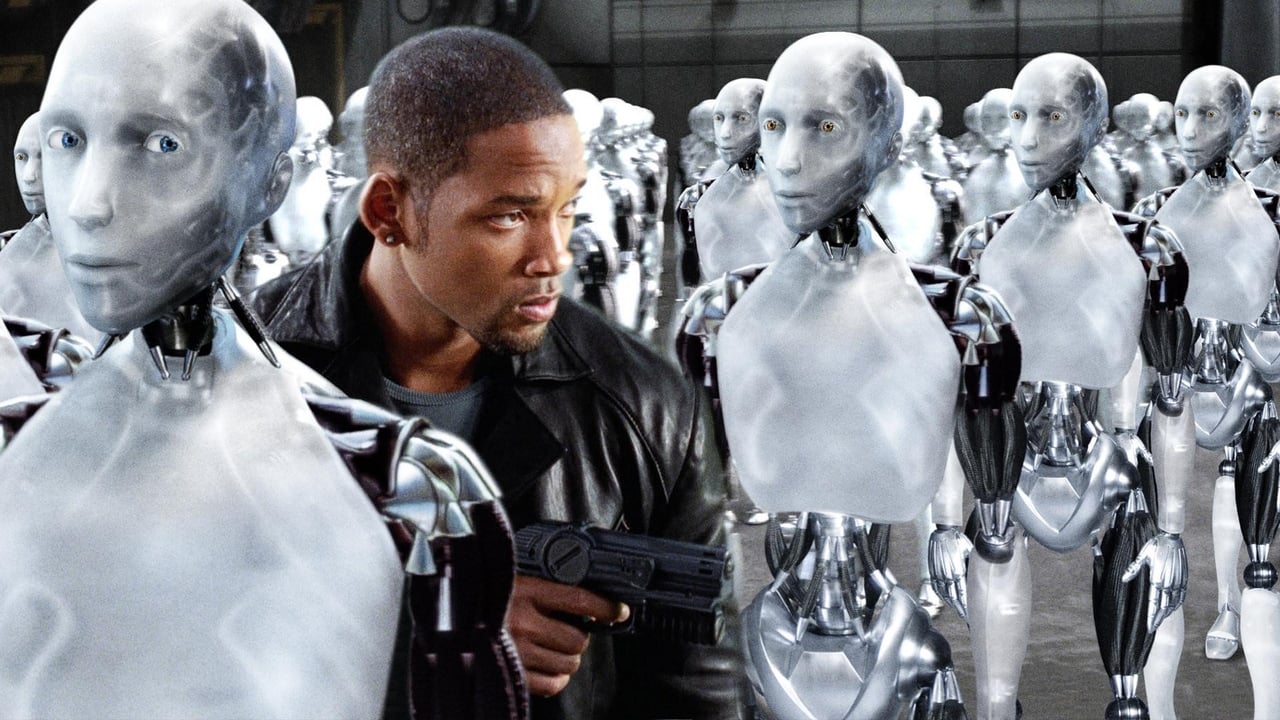
Detective Spooner reveals his theory to Calvin about how a killer could vanish from a locked room by manipulating their own physical form.

Start a free 7-day trial — 5 downloads a day, unlimited when Pro begins

Rehearse this scene
Rehearse on your terms

Choose your role and voices for the other characters. Run the scene at your own pace.

Scene PreviewExcerpt — subscribe to read full scene

SPOONER

No. I don’t think he knew what Hogenmiller was doing in here. Sonny was the obvious suspect. The only one I wanted to find. And the killer was counting on that. On my prejudice. But take the robot out of the picture. And what do you see?

CALVIN

I see nothing.

SPOONER

Neither do I.

End of preview. Continue with Pro below.

7 days freeYour next rehearsal starts here

Found your next scene? Make it yours.

Start your free trial and read The Invisible Killer in full, with access to 4,000+ monologues and scenes to explore next.

  • Read the full scene and explore the library
  • Download your script in a clean, printable format
  • Take it into rehearsal with the Script Reader
Casting Types
Get Feedback
Coming Soon

Want expert coaching on this scene?

Browse our curated list of acting coaches, dialect specialists, and more.

Find a Coach

Need representation?

Browse verified agents and casting directors in our directory.

Scene Notes & Audition Tips

5 sections
About This Scene

This intense duologue from "I, Robot" presents Detective Spooner articulating a startling theory to Calvin about a seemingly impossible crime. The scene centers on the revelation of how a killer could have committed murder in a locked room and then vanished without a trace, manipulating their own physical form. It’s a moment of significant plot development, featuring a detective’s breakthrough amidst skepticism, and building tension as the truth begins to surface.

Character Analysis

Spooner is a determined, insightful detective, grappling with a mystery that defies conventional logic. He is driven by a strong sense of justice and a keen ability to connect disparate pieces of information, despite personal biases he acknowledges. Calvin, on the other hand, embodies scientific rationality and initial disbelief, representing the audience's natural skepticism towards Spooner's wild hypothesis. Her journey in this scene is one of dawning comprehension and perhaps even shock as the detective's theory unfolds.

Why This Works for Auditions

This duologue is an excellent choice for auditions due to its sharp dialogue and dramatic tension, allowing actors to showcase strong reactive and proactive performances. It offers a clear arc for both characters: Spooner moves from internal certainty to outward conviction, while Calvin transitions from confusion to understanding. The scene’s contemporary science fiction setting and intense tone provide opportunities for nuanced character work and impactful delivery, making it suitable for a range of casting types.

Best Suited For

This scene is particularly well-suited for actors in the 25-35 age range looking for material that highlights intelligent, intense performances. It's ideal for those aiming for Detective, Scientist, Leading Man, or Leading Lady roles, especially if the casting brief emphasizes mystery, investigation, or technological themes. The dialogue's blend of revelation and intellectual argument makes it a strong choice for agent showcases, self-tapes, or general practice.

Performance Tips

For Spooner, focus on building the intellectual intensity of his revelation, letting the "a-ha!" moment fuel his conviction and drive to explain. Convey his certainty despite the extraordinary nature of his theory, but also hint at the personal struggle or prejudice he mentions. For Calvin, play the journey from quiet confusion and scientific pragmatism to gradual, almost reluctant, acceptance of Spooner’s unbelievable solution. Emphasize her intellectual processing and the shift in her understanding as the pieces click into place, using subtle reactions to convey her internal struggle.

Explore this topic