Tv
duologue
Sci-Fi
Comedy-Drama

The Lag and the Map

from Weird City

Written by Jordan Peele, Charlie Sanders

Weird City

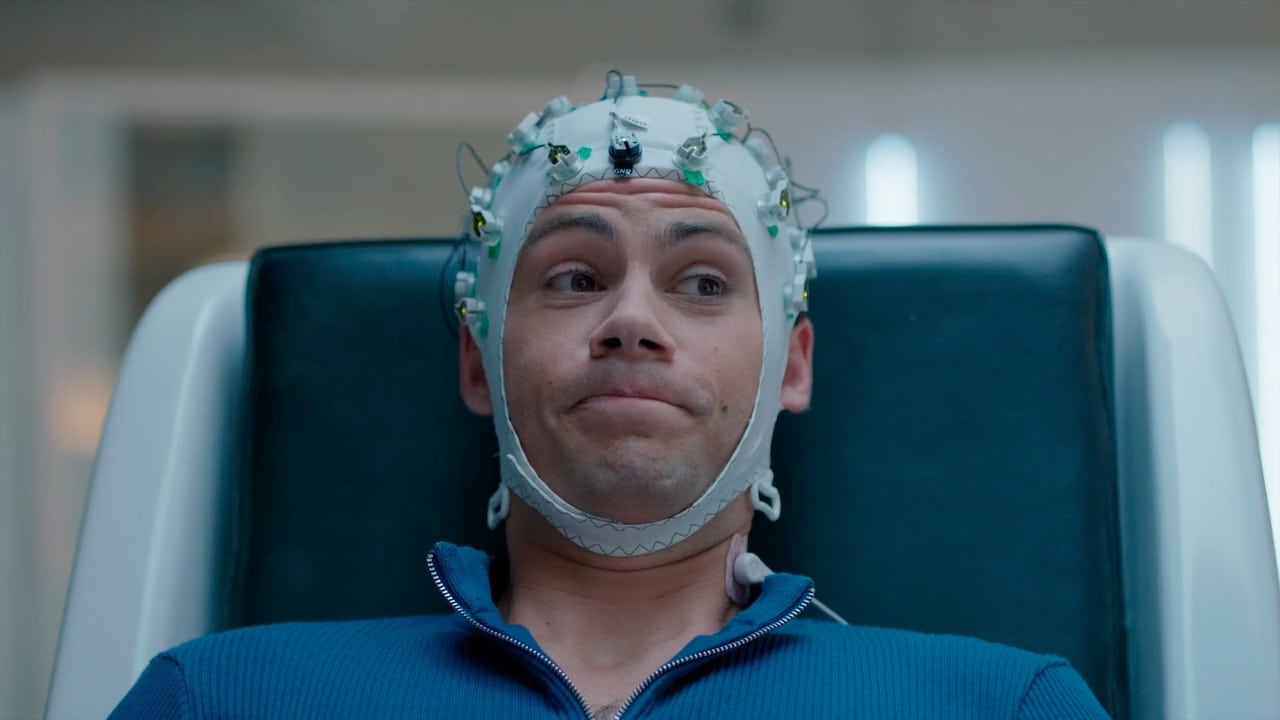
Two characters realize they are trapped inside a television show and attempt to manipulate the narrative to survive past the episode's end.

Start a free 7-day trial — 5 downloads a day, unlimited when Pro begins

Rehearse this scene
Rehearse on your terms

Choose your role and voices for the other characters. Run the scene at your own pace.

Scene PreviewExcerpt — subscribe to read full scene

GETE

Okay it’s -

GETE

Okay it’s -

GETE

What was that?

CHUCK

I don’t know. We were like frozen for a minute. And what was that pinwheel thingee?

GETE

It was a lag.
End of preview. Continue with Pro below.

7 days freeYour next rehearsal starts here

Found your next scene? Make it yours.

Start your free trial and read The Lag and the Map in full, with access to 4,500+ monologues and scenes to explore next.

  • Read the full scene and explore the library
  • Download your script in a clean, printable format
  • Take it into rehearsal with the Script Reader
Casting Types
Get Feedback
Coming Soon

Want expert coaching on this scene?

Browse our curated list of acting coaches, dialect specialists, and more.

Find a Coach

Need representation?

Browse verified agents and casting directors in our directory.

Scene Notes & Audition Tips

5 sections
About This Scene

This duologue from *Weird City* plunges Gete and Chuck into an existential crisis as they realize they are fictional entities in a television show. The scene begins with "lag," mimicking buffering content, which sparks their awareness of their simulated reality. As they discuss their experiences, they notice a literal map overlaying their world, charting their movements like a filmic device, forcing them to confront their meta-narrative. This discovery propels them to consider manipulating the plot to ensure their survival beyond the current episode's runtime.

Character Analysis

Gete and Chuck are cast as bewildered, yet adaptable individuals. Gete often leads in deciphering the bizarre clues, demonstrating a sharper, analytical mind, quickly grasping the implications of the "lag" and "map." Chuck, initially skeptical and confused, shows a willingness to experiment and process the increasingly surreal information. Their dynamic is one of shared urgency, with moments of comic banter that highlight their individual personalities even amidst their panic. They embody "Everyman" and "Quirky" types, navigating an extraordinary situation with relatable human reactions.

Why This Works for Auditions

This scene offers a unique blend of heightened reality and grounded performance, making it excellent for auditions. It allows actors to showcase a wide emotional range, moving from confusion and irritation to growing panic, intellectual problem-solving, and dark humor. The meta-narrative encourages specific, active choices as characters directly acknowledge and react to their fictional world's "rules," providing clear beats for engagement. The conversational yet urgent dialogue ensures a natural flow while demanding precise comedic timing and dramatic commitment. It's a fantastic opportunity to demonstrate versatility and the ability to handle complex, conceptual material.

Best Suited For

This duologue is ideally suited for actors aged 25-35 who excel at quirky, intelligent comedy with an underlying sense of dread. It's perfect for those comfortable with fast-paced dialogue requiring thoughtful processing of abstract ideas. Actors who can balance genuine confusion and fear with sharp wit and an understanding of comedic rhythms will shine. Given its meta-theatrical nature, it's a strong choice for performers looking to showcase an ability to break the fourth wall subtly or explicitly. It is suitable for agent showcases, self-tapes, and general practice for roles that demand originality and quick thinking.

Performance Tips

When performing this scene, lean into the escalating sense of absurdity and urgency, allowing the characters' dawning realization to drive their reactions. For Gete, focus on the intellectual leap from observation to conclusion, maintaining controlled panic beneath a facade of logic. For Chuck, highlight the journey from disbelief to acceptance, using moments of questioning and experimentation to reveal character. Pay close attention to the rhythm of the dialogue, allowing rapid-fire exchanges to build momentum. Remember that despite the surreal premise, the characters' fear of erasure is very real, grounding the performance in genuine stakes.

Explore this topic