
Film
monologue
Comedy-Drama
Romance

The Life of Wine

from Sideways

Written by Alexander Payne, Jim Taylor

Sideways

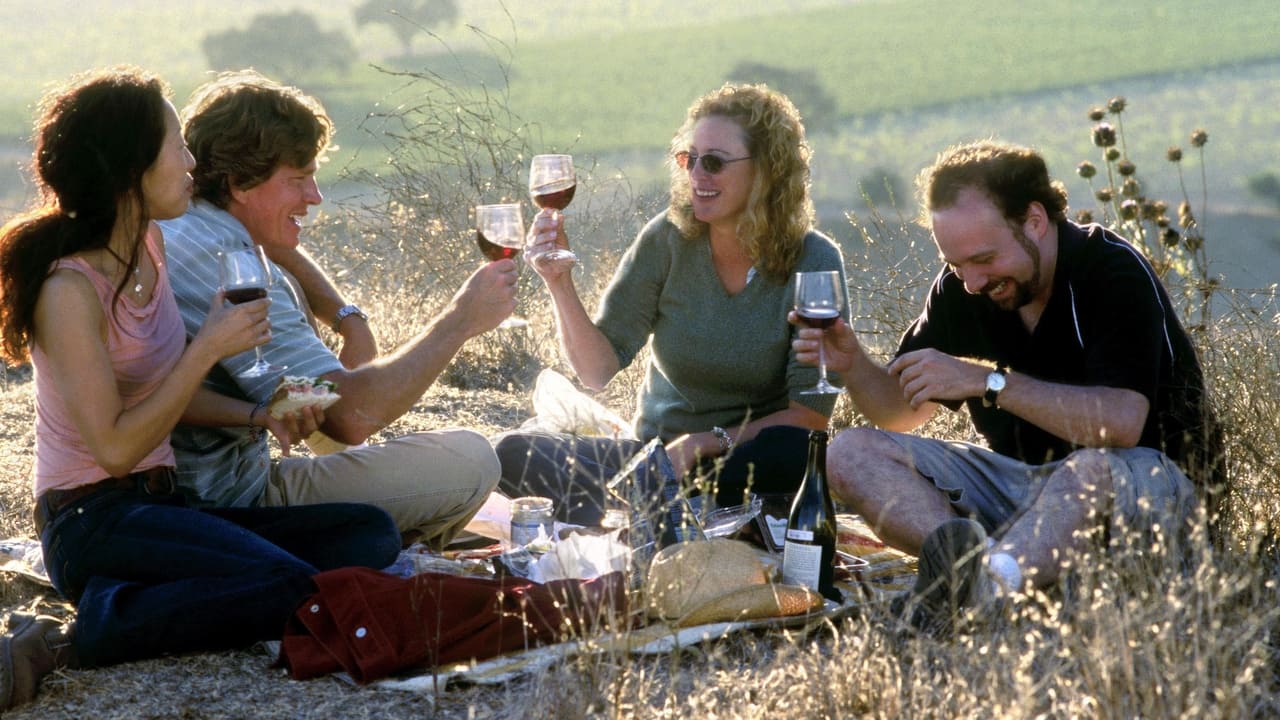
Maya shares her poetic philosophy on the evolution of wine, reflecting on the passage of time and the beauty of a bottle's inevitable decline.

Start a free 7-day trial — 5 downloads a day, unlimited when Pro begins

Rehearse on your terms

Take this monologue into rehearsal and work through it at your own pace.

Scene PreviewExcerpt — subscribe to read full scene

MAYA

No, but I do like to think about the life of wine, how it's a living thing. I like to think about what was going on the year the grapes were growing, how the sun was shining that summer or if it rained... what the weather was like. I think about all those people who tended and picked the grapes, and if it's an old wine, how many of them must be dead…

End of preview. Continue with Pro below.

7 days freeYour next rehearsal starts here

Found your next scene? Make it yours.

Start your free trial and read The Life of Wine in full, with access to 3,000+ monologues and scenes to explore next.

  • Read the full scene and explore the library
  • Download your script in a clean, printable format
  • Take it into rehearsal with the Script Reader
Casting Types
Get Feedback
Coming Soon

Want expert coaching on this scene?

Browse our curated list of acting coaches, dialect specialists, and more.

Find a Coach

Need representation?

Browse verified agents and casting directors in our directory.

Scene Notes & Audition Tips

5 sections
About This Scene

From the acclaimed film *Sideways*, Maya's monologue, "The Life of Wine," deeply reflects on existence, disguised as an appreciation for viticulture. Maya eloquently describes her philosophy on how wine, like life, evolves, gains complexity, and eventually reaches its peak before an "inevitable decline." This moment of introspection reveals a character who finds beauty and meaning in time's passage and life's transient nature. The scene captures a pivotal connection between Maya and another character, showcasing her intellectual depth and emotional honesty.

Character Analysis

Maya is presented as a thoughtful, sensitive, and intelligent woman in her 30s. Her monologue reveals a deeply philosophical character, capable of finding profound metaphors in everyday experiences like tasting wine. She possesses a keen observational sense and quiet intensity, conveying insights with a blend of vulnerability and conviction. While sophisticated, her emotional openness makes her relatable and draws others in. She appreciates beauty in imperfection and time's bittersweet reality, hinting at a rich inner world and capacity for deep connection.

Why This Works for Auditions

This monologue is a superb choice for auditions as it offers a wonderful opportunity to showcase intellectual prowess and emotional depth within a short timeframe. It's a contemporary piece that focuses on an actor's ability to convey complex thought and internal experience, rather than relying on heightened drama. The monologue builds beautifully, starting with descriptive philosophy and culminating in a poignant realization, allowing an actor to demonstrate a compelling emotional arc. Its conversational yet profound nature makes it accessible while demanding nuanced delivery, perfect for highlighting subtlety and presence.

Best Suited For

This monologue is exceptionally well-suited for female actors aged 25-35 who can embody a Leading Lady, Romantic Lead, or Vulnerable casting type. It's ideal for those seeking to portray intelligent, thoughtful characters capable of quiet intensity, often with a sophisticated or everyman quality. This piece is particularly effective for drama school auditions, agent showcases, or self-tapes where the goal is to demonstrate a strong command of language, emotional honesty, and the ability to connect deeply with material. Its reflective nature also makes it excellent for general practice in developing internal monologue skills.

Performance Tips

When performing "The Life of Wine," focus on Maya's genuine fascination and intellectual curiosity, not a lecture. Allow her words to flow organically, as if she is truly discovering these connections in the moment. Pay close attention to the language's rhythm, using natural pauses to convey thought and reflection. Emphasize the shift from descriptive observation to deeper, more vulnerable philosophical insights about life and mortality. The moment builds to a specific emotional beat, so track the arc, allowing Maya's quiet conviction to resonate and land with a powerful, yet understated, emotional impact.

Explore this topic