Skip to content
    Film
    duologue
    Comedy-Drama

    The Meaning of Happy-Sad

    from Sing Street

    Written by John Carney

    Sing Street

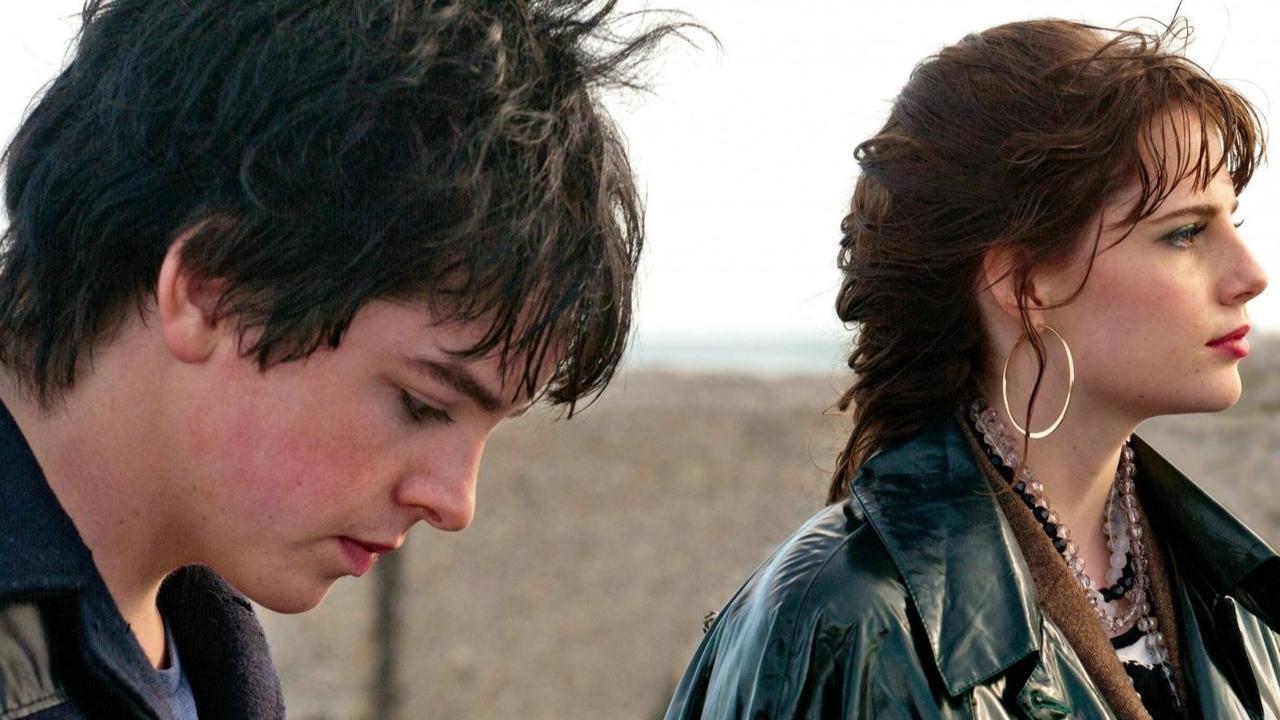
    Conor questions Raphina about her boyfriend and her plans to move to London, leading to a vulnerable conversation about family and the duality of love.

    Start a free 7-day trial — 5 downloads a day, unlimited when Pro begins

    Rehearse this scene
    Rehearse on your terms

    Choose your role and voices for the other characters. Run the scene at your own pace.

    Scene PreviewExcerpt — subscribe to read full scene

    RAPHINA

    I really liked your song. It made me cry.

    CONOR

    Oh, I’m sorry.

    RAPHINA

    No no, that’s a good thing. But write me a happy one some time.

    CONOR

    What if I don’t feel happy?

    RAPHINA

    What have you got to not feel happy about? Big house. Family. And we don’t live in the Lebanon!

    End of preview. Continue with Pro below.

    7 days freeYour next rehearsal starts here

    Found your next scene? Make it yours.

    Start your free trial and read The Meaning of Happy-Sad in full, with access to 6,500+ monologues and scenes to explore next.

    • Read the full scene and explore the library
    • Download your script in a clean, printable format
    • Take it into rehearsal with the Script Reader
    Casting Types
    Get Feedback
    Coming Soon

    Want expert coaching on this scene?

    Browse our curated list of acting coaches, dialect specialists, and more.

    Find a Coach

    Need representation?

    Browse verified agents and casting directors in our directory.

    Scene Notes & Audition Tips

    5 sections
    About This Scene

    Taken from John Carney’s comedy-drama film Sing Street, this contemporary duologue captures a tender conversation between two teenagers navigating connection, dreams, and personal hardship. Set during an afternoon walk through a city park, Conor questions Raphina about her older boyfriend and her upcoming plans to relocate to London for a modeling career. As their dialogue shifts from playful teasing about songwriting to poignant disclosures about family loss and domestic instability, both characters reveal their guarded inner worlds.

    Character Analysis

    Conor is an artistic teenager masking his quiet jealousy and romantic insecurity behind dry humor and musical curiosity. He possesses an innate sensitivity, genuinely wanting to understand Raphina's life while struggling to process his own emerging feelings. Raphina projects an air of worldly maturity and ambition to protect herself from deep-seated vulnerabilities. Her breezy optimism about the future contrasts sharply with her difficult home life, which she deflects through sharp, defensive wit.

    Why This Works for Auditions

    This scene is an exceptional vehicle for young performers because it blends quick-witted romantic banter with genuine emotional gravity. Actors get the opportunity to demonstrate nuanced subtext, as the characters constantly navigate between what they say and what they conceal. It allows both performers to showcase active listening, comic timing, and the raw vulnerability inherent in first love without tipping into melodrama.

    Best Suited For

    This piece is ideal for actors under eighteen or those playing teenage casting types such as the Boy Next Door, Girl Next Door, or Ingenue. The contemporary naturalism makes it particularly strong for drama school auditions, self-tape submissions, and agent showcases. It also functions wonderfully as a two-minute scene study exercise focusing on pacing and status shifts.

    Performance Tips

    Avoid rushing into the heavier emotional beats too early in the scene. Raphina should lean into her self-protective humor, using deflections and nonchalance as a shield rather than asking for sympathy. Conor must remain actively engaged as a listener, letting his unspoken affection drive his questions rather than playing overt jealousy. Focus on the delicate tonal balance between youthful playfulness and adult sorrow, allowing the pauses to carry real weight.

    No ratings yet
    Sign in to rate
