Film
duologue
Drama
Thriller

The Memory of a Dead Lawyer

from A Few Good Men

Written by Aaron Sorkin

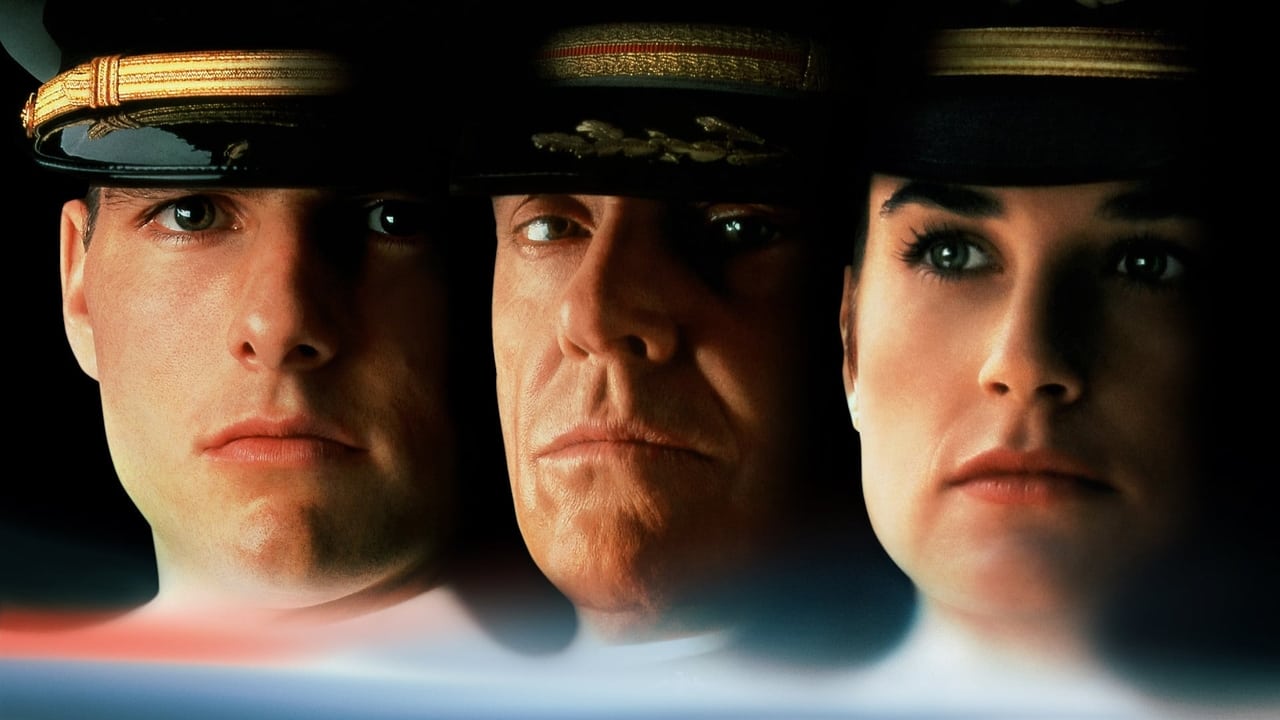
A Few Good Men

Two military lawyers clash over the ethics and risks of accusing high-ranking officers of a cover-up during a high-stakes court-martial.

Start a free 7-day trial — 5 downloads a day, unlimited when Pro begins

Rehearse this scene
Rehearse on your terms

Choose your role and voices for the other characters. Run the scene at your own pace.

Scene PreviewExcerpt — subscribe to read full scene

ROSS

That was nice work today. The redirect on Howard.

KAFFEE

I have Markinson.

ROSS

Where is he?

KAFFEE

A motel room in Arlington with 14 Federal Marshals outside his door. Take a sip of your drink.

ROSS

Damn.

End of preview. Continue with Pro below.

7 days freeYour next rehearsal starts here

Found your next scene? Make it yours.

Start your free trial and read The Memory of a Dead Lawyer in full, with access to 4,000+ monologues and scenes to explore next.

  • Read the full scene and explore the library
  • Download your script in a clean, printable format
  • Take it into rehearsal with the Script Reader
Casting Types
Get Feedback
Coming Soon

Want expert coaching on this scene?

Browse our curated list of acting coaches, dialect specialists, and more.

Find a Coach

Need representation?

Browse verified agents and casting directors in our directory.

Scene Notes & Audition Tips

5 sections
About This Scene

This intense two-minute duologue, "The Memory of a Dead Lawyer," plunges actors into the high-stakes world of military legal drama from the acclaimed film *A Few Good Men*. Featuring two male characters, Ross and Kaffee, both military lawyers, the scene unfolds with a powerful confrontation regarding a complex court-martial. It captures a pivotal moment where the ethical boundaries of justice and the loyalty to military hierarchy collide, demanding a nuanced and charged performance from both participants.

Character Analysis

Kaffee, a sharp and initially cynical young lawyer in his late twenties, is portrayed here as having found a new, passionate drive. He's shedding his earlier detached demeanor and now confronts the system he once seemed to operate within with aggressive determination, fueled by a nascent sense of justice. Ross, in his thirties, embodies the established military legal system; he represents the government "without passion or prejudice," yet there's a clear undercurrent of personal concern and even a subtle manipulation in his words as he attempts to guide or warn Kaffee. Both roles demand actors who can portray intelligence, conviction, and underlying emotional complexities.

Why This Works for Auditions

This scene is an excellent choice for auditions because it offers rich, dynamic dialogue penned by Aaron Sorkin, known for his rapid-fire, intelligent exchanges. The conflict is immediate and palpable, allowing actors to showcase strong opinions, intellectual sparring, and a broad emotional range within a short timeframe. It demonstrates an actor's ability to handle complex themes like ethics, duty, and confrontation, while maintaining intensity and a clear objective. The high stakes and verbal dexterity required make it a compelling piece for casting directors.

Best Suited For

"The Memory of a Dead Lawyer" is ideally suited for male actors in the 25-35 age range, particularly those aiming for "Leading Man," "Lawyer," or "Military" casting types. Its intense tone and contemporary period make it perfect for drama school auditions, agent showcases, or creating a powerful self-tape. Actors looking to display their command of dramatic tension, quick wit, and ability to embody authoritative yet nuanced characters will find this scene particularly effective.

Performance Tips

When approaching this scene, actors should focus on the distinct objectives and tactics each character employs. For Kaffee, lean into his newfound conviction and righteous anger, using the rapid-fire dialogue to convey his unwavering stance. For Ross, balance his authoritative demeanor with the underlying motive of either genuine concern or strategic warning, allowing his words to carry weight and implication. Pay close attention to the rhythm and pacing of Sorkin's dialogue, ensuring that the intellectual sparring feels natural and driven by character motivation rather than just speed.

Explore this topic