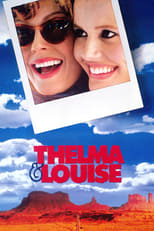
The Morning After the Robbery — Thelma & Louise

Thelma returns to Louise in a state of post-coital bliss, only to realize that her romantic encounter has led to a disastrous theft. As Louise realizes their life savings have been stolen, she begins to spiral, forcing a newly energized Thelma to take charge of their desperate situation.

THELMA: Hi.

LOUISE: What happened to your hair?

THELMA: Nothing. It got messed up.

LOUISE: What's wrong with you?

THELMA: Nothing. Why? Do I seem different?

Format: Duologue · Genre: Drama/Comedy · Source: Thelma & Louise · Author: Callie Khouri · Characters: Thelma, Louise

About This Scene

This dramatic and comedic duologue captures a pivotal moment for two female fugitives, Thelma and Louise, following a significant event. The scene opens with Thelma’s euphoric return after a passionate encounter, an energy that quickly collides with Louise's dawning realization of a disastrous theft. It masterfully shifts from intense humor and almost childish glee to despair and urgent strategy, showcasing a powerful reversal of roles between the two women.

Character Analysis

Thelma, initially presented as giddy and almost manic with post-coital bliss, undergoes a rapid transformation in this scene. She shifts from childlike excitement to a surprising display of resourcefulness and leadership as the gravity of their situation unfolds. Louise, on the other hand, begins with suspicion and concern, quickly spiraling into despair when the theft is confirmed. This scene highlights her vulnerability and desperation, forcing Thelma to step up and provide support and direction, revealing a complex dynamic of female friendship under extreme pressure.

Why This Works for Auditions

This scene is a fantastic choice for auditions due to its rapid emotional shifts and the clear arc each character experiences within a short duration. Actors can showcase a wide range of emotions, from joyous hysteria to intense fear and emergent resolve, all within a compact timeframe. The duologue format also allows for powerful reactive acting, demonstrating an actor's ability to listen and build off their scene partner's performance, which is a crucial skill for any casting director to observe.

Best Suited For

This scene is ideally suited for female actors in their 30s to 40s who are looking for material to demonstrate both comedic timing and dramatic depth. It works particularly well for those who embody 'Leading Lady' or 'Rebel' casting types, as it demands strong, active choices and a compelling presence. Its contemporary feel and themes of desperation, betrayal, and female friendship also make it relevant for a variety of general practice, self-tape, agency showcase, or even drama school audition contexts.

Performance Tips

When approaching this scene, consider Thelma's initial physical abandon; her joy should be almost overwhelming, making her transformation to a more grounded, decisive character even more impactful. For Louise, lean into the slow burn of her realization and the ensuing panic, ensuring her despair feels authentic and urgent. Pay close attention to the shifts in power dynamics and the underlying bond of their friendship, even amidst the chaos. Allow the humor to land naturally from the heightened stakes, rather than playing for laughs, to maintain the scene's dramatic integrity.