Film
duologue
Drama

The Nature of War

from Platoon

Written by Oliver Stone

Platoon

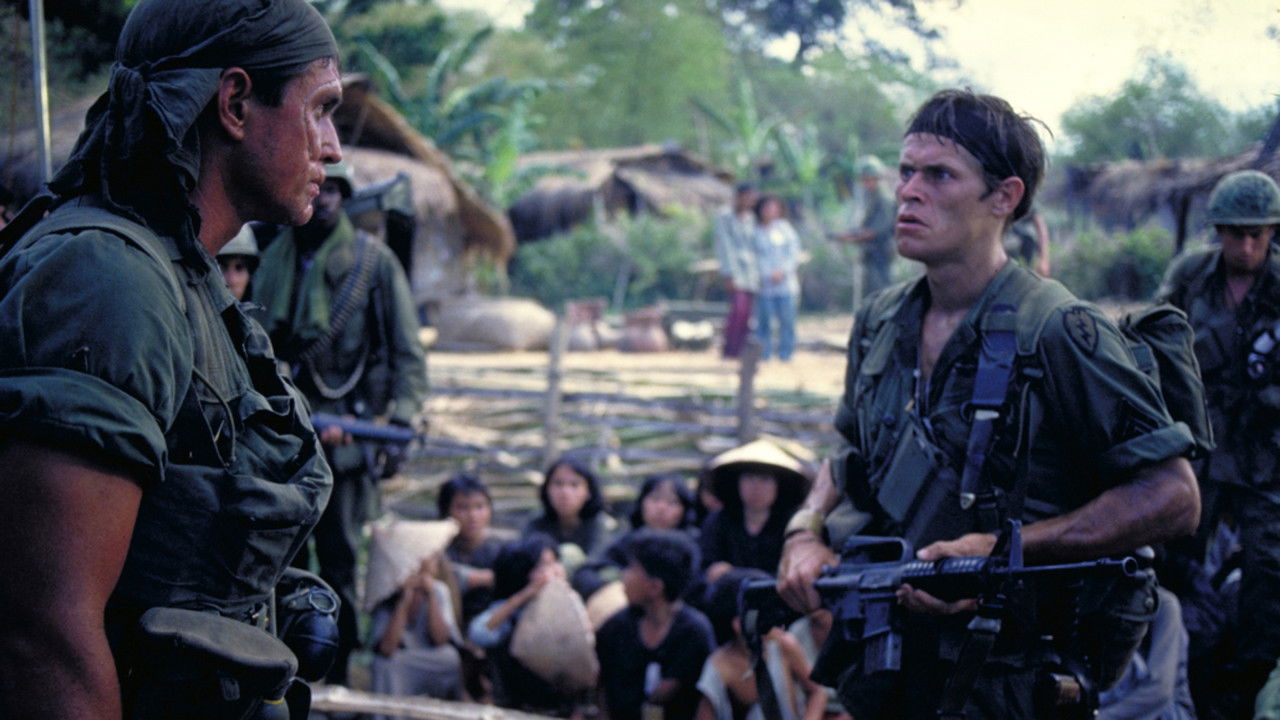
During a quiet moment in the Vietnam War, Chris and Elias reflect on the morality of the conflict and the heavy toll of taking a life.

Start a free 7-day trial — 5 downloads a day, unlimited when Pro begins

Rehearse this scene
Rehearse on your terms

Choose your role and voices for the other characters. Run the scene at your own pace.

Scene PreviewExcerpt — subscribe to read full scene

CHRIS

... I can't sleep, why don't you get some sack time.

ELIAS

... don't feel like it either.

CHRIS

... beautiful night.

ELIAS

Yeah. I love this place at night. The stars ... there's no right or wrong in them, they're just there.

CHRIS

That's a nice way of putting it.

End of preview. Continue with Pro below.

7 days freeYour next rehearsal starts here

Found your next scene? Make it yours.

Start your free trial and read The Nature of War in full, with access to 4,000+ monologues and scenes to explore next.

  • Read the full scene and explore the library
  • Download your script in a clean, printable format
  • Take it into rehearsal with the Script Reader
Casting Types
Get Feedback
Coming Soon

Want expert coaching on this scene?

Browse our curated list of acting coaches, dialect specialists, and more.

Find a Coach

Need representation?

Browse verified agents and casting directors in our directory.

Scene Notes & Audition Tips

5 sections
About This Scene

This poignant duologue, taken from the Oscar-winning film *Platoon*, offers a powerful exploration of the moral ambiguities and profound psychological toll of war. Set during a quiet, star-lit moment in the Vietnam jungle, it features Chris, a young, vulnerable soldier, and Elias, an older, more experienced combatant grappling with the grim realities around them. The conversation delves into deep philosophical questions about right and wrong, the impact of violence, and the burden of survival, making it a truly resonant piece for actors.

Character Analysis

Chris embodies the archetypal 'Everyman' thrust into extraordinary circumstances. He is the fresh perspective, initially seeking understanding and perhaps even comfort from Elias, his mentor figure. Elias, on the other hand, is a weathered 'Mentor' whose experience has stripped away illusions, leaving him with a raw, philosophical insight into the nature of conflict and its lasting effects on the human soul. Both characters carry significant 'Vulnerable' aspects, with Elias's intensity revealing the deep scars he carries, and Chris representing the journey into that painful understanding.

Why This Works for Auditions

This scene is highly effective for auditions because it showcases an actor's ability to convey complex emotional depth and intellectual engagement within a constrained, intimate setting. It demands nuanced acting, allowing performers to explore vulnerability, philosophical pondering, and intense conviction without resorting to overt melodrama. The naturalistic dialogue and emotional arc provide ample opportunity to demonstrate subtle shifts in character, making it ideal for presenting a strong, grounded performance that highlights emotional intelligence and gravitas.

Best Suited For

This duologue is exceptionally well-suited for actors in the 18-25 age range, particularly those looking to portray a 'Leading Man' or 'Everyman' who grapples with moral dilemmas. Its themes of war, mortality, and survival make it an excellent choice for 'Military' type casting or for those aspiring to roles requiring significant emotional depth and vulnerability. This scene is particularly strong for drama school auditions, agent showcases, and self-tapes where showing thoughtful introspection and powerful conviction is key.

Performance Tips

When approaching this scene, focus on the stillness and the weight of the unspoken. For Chris, lean into his initial naivety and growing awe, allowing Elias's words to visibly impact him, shifting his perspective. For Elias, ground his powerful speech in a sense of weary conviction, letting the years of experience and moral conflict fuel his words rather than just anger. Pay close attention to the rhythm of the dialogue and the moments of silence, using them to convey the profound internal struggles these characters face in a war-torn environment.

Explore this topic