Film
group
Drama

The Pecking Party

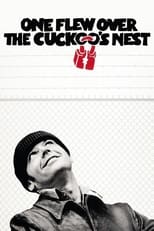
from One Flew Over the Cuckoo's Nest

Written by Lawrence Hauben, Bo Goldman

One Flew Over the Cuckoo's Nest

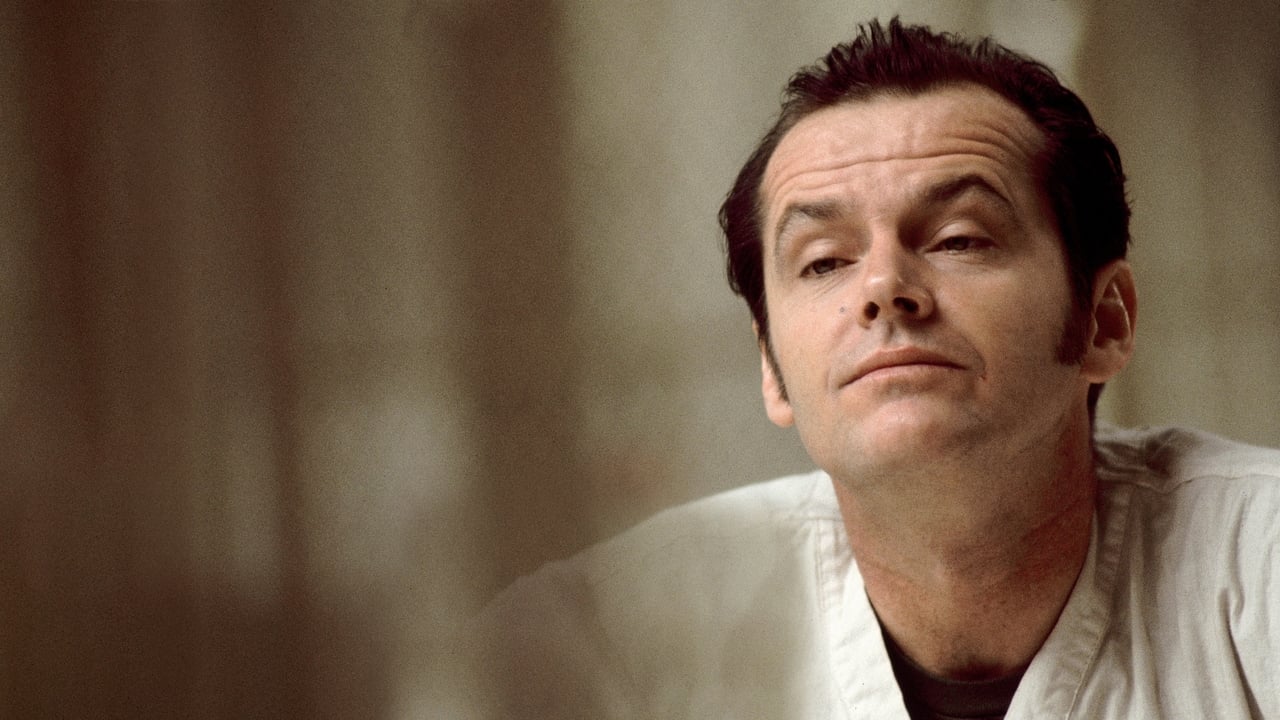
During a basketball break, McMurphy challenges the other patients' passive acceptance of Nurse Ratched's psychological manipulation. He uses a crude analogy to describe how she emasculates them, while Harding and the others explain the terrifying physical consequences of rebellion in the psychiatric ward.

Start a free 7-day trial — 5 downloads a day, unlimited when Pro begins

Rehearse this scene
Rehearse on your terms

Choose your role and voices for the other characters. Run the scene at your own pace.

Scene PreviewExcerpt — subscribe to read full scene

MCMURPHY

Well, say, buddy, is that the usual pro-cedure for those Group Ther'py shindigs? Bunch of chickens at a peckin' party?

HARDING

A pecking party?

MCMURPHY

That's right, buddy. And you want to know who pecks the first peck?

HARDING AND CHESWICK

Who? Who?

MCMURPHY

Ah, come off it! It's that Big Nurse, that's who...

End of preview. Continue with Pro below.

7 days freeYour next rehearsal starts here

Found your next scene? Make it yours.

Start your free trial and read The Pecking Party in full, with access to 1,000+ monologues and scenes to explore next.

  • Read the full scene and explore the library
  • Download your script in a clean, printable format
  • Take it into rehearsal with the Script Reader
Casting Types
Get Feedback
Coming Soon

Want expert coaching on this scene?

Browse our curated list of acting coaches, dialect specialists, and more.

Find a Coach

Need representation?

Browse verified agents and casting directors in our directory.

Scene Notes & Audition Tips

5 sections
About This Scene

This intense group scene, "The Pecking Party," is set during a basketball break within a psychiatric institution. It features McMurphy engaging with Harding, Billy, Fredrickson, and Sefelt, amongst others, as he provocatively challenges their submissive dynamic under Nurse Ratched’s authority. The core conflict revolves around McMurphy's blunt assessment of their institutionalized existence versus the other patients' fear of reprisal for any act of defiance.

Character Analysis

McMurphy functions as the anti-hero and rebel, injecting a disruptive energy into the stagnant environment, questioning authority with a raw, unfiltered perspective. Harding, a complex character, represents suppressed intellect and an understanding of the systemic oppression, yet he is also a victim of it, articulating the institution's brutal reality to McMurphy. Billy, Fredrickson, and Sefelt, as supporting characters, embody different facets of the patients' collective anxiety and the chilling impact of institutionalization, reacting to McMurphy's challenge with fear and resignation. Each character offers a distinct reaction to the power dynamics at play, providing varied opportunities for performance.

Why This Works for Auditions

This scene is excellent for auditions due to its dramatic intensity and the clear, yet nuanced, power dynamics between the characters. It provides ample opportunity for actors to showcase emotional range, from McMurphy's rebellious spirit to Harding's intellectual despair and the other patients' palpable fear. The theme of rebellion against oppression is universally resonant, allowing actors to connect deeply with the material and explore themes of masculinity, mental health, and institutionalization, making for a compelling and memorable performance.

Best Suited For

"The Pecking Party" is best suited for male actors in the 25-35 age range, particularly those who are strong character actors, outsiders, or can embody an anti-heroic persona. This scene is ideal for drama school auditions, agent showcases, and general practice, offering a substantial dramatic challenge. Actors looking to portray complex characters grappling with significant power imbalances and intense emotional stakes will find this scene particularly rewarding.

Performance Tips

When approaching this scene, emphasize the underlying tension and fear that permeates the characters' dialogue. For McMurphy, focus on his almost reckless defiance and his ability to articulate uncomfortable truths, using his physicality to convey his restless energy. For Harding, lean into his intellectual nature and the tragic understanding of their predicament, allowing his words to carry the weight of experience. For Billy, Fredrickson, and Sefelt, react authentically to McMurphy's provocations with varying degrees of fear, agitation, and resignation, ensuring each reaction feels distinct and contributes to the scene's overall intensity.

Explore this topic