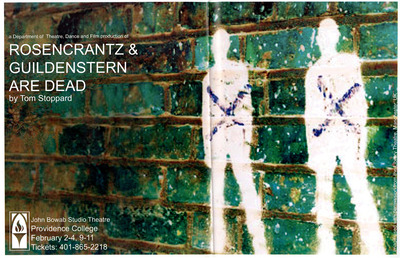
The Players' Philosophy — Rosencrantz & Guildenstern Are Dead

Guildenstern confronts the Player about the artificiality of stage deaths versus the terrifying reality of non-existence. The Player defends the theatricality of the craft, recounting a darkly comic anecdote about a real execution that failed to move an audience. The scene highlights the existential dread of the protagonists as they grapple with their own impending disappearance from the narrative.

GUIL: You!—What do you know about death?

PLAYER: It's what the actors do best. They have to exploit whatever talent is given to them, and their talent is dying. They can die heroically, comically, ironically, slowly, suddenly, disgustingly, charmingly, or from a great height.

ROS: Is that all they can do—die?

PLAYER: No, no—they kill beautifully. In fact some…

Format: Scene · Genre: Absurdist Comedy · Source: Rosencrantz & Guildenstern Are Dead · Author: Tom Stoppard · Characters: Guil, Player, Ros

About This Scene

This group scene from Tom Stoppard's renowned play, Rosencrantz & Guildenstern Are Dead, delves into the profound and often darkly humorous examination of existence and theatricality. It features Guildenstern, Rosencrantz, and the Player, engaging in a philosophical debate about the nature of death, particularly as it is portrayed on stage versus its terrifying reality. The interaction between Guil's existential dread and the Player's cynical theatrical practicalities provides a rich landscape for performers.

Character Analysis

Guildenstern (Guil) is the more intellectual and introspective of the two protagonists, grappling with deep existential questions and a profound fear of non-existence. He is progressively rattled, his fear of death manifesting as derision towards the Player's theatrical portrayals. The Player is a cynical, charismatic, and pragmatic showman, embodying the meta-theatrical aspects of the play. He views death as a performance tool, extracting "significance from melodrama" and demonstrating a detached yet insightful understanding of audience psychology. Rosencrantz (Ros) largely functions as a foil to Guil, asking more direct and less philosophical questions, often serving to clarify or prompt further discussion for the audience.

Why This Works for Auditions

This scene is excellent for auditions because it offers rich, layered dialogue and opportunities for dynamic character work within a group setting. The contrasting tones – Guil's dramatic intensity, the Player's sardonic wit, and Ros's more straightforward delivery – allow each actor to showcase their distinct range. It effectively demonstrates an actor's ability to engage with complex philosophical themes, handle sophisticated language, and navigate a shift in emotional states, moving from intellectual confrontation to frustrated derision and cynical humor. The scene’s contemporary period and absurdist comedy genre also make it ideal for demonstrating versatility.

Best Suited For

This scene is particularly well-suited for adult male actors with strong intellectual and dramatic capabilities. It is perfect for those aiming for roles that require a blend of philosophical depth, comedic timing, and intense emotional expression. Actors who fit the "Intellectual," "Character Actor," or "Leading Man" casting types will find ample opportunity to shine. Given its group format, it is also highly effective for drama school auditions, agent showcases, or general practice where collaboration and nuanced interaction are key.

Performance Tips

Actors should focus on clearly differentiating their character's intellectual and emotional journey throughout the scene. For Guil, allow his fear and frustration to build organically, making his derision toward the Player feel deeply personal and rooted in his existential dread. The Player should lean into his theatricality and cynicism, using vocal inflection and physicality to convey his detached, performative understanding of life and death. Ros should provide a grounded contrast, reacting authentically to the dialogue. Pay close attention to Stoppard's precise language and rhythm, as the text itself carries much of the scene's emotional and intellectual weight, ensuring dynamic interplay between all three characters.