Skip to content
    Film
    monologue
    Drama

    The Sheepdog Monologue

    from American Sniper

    Written by Jason Hall

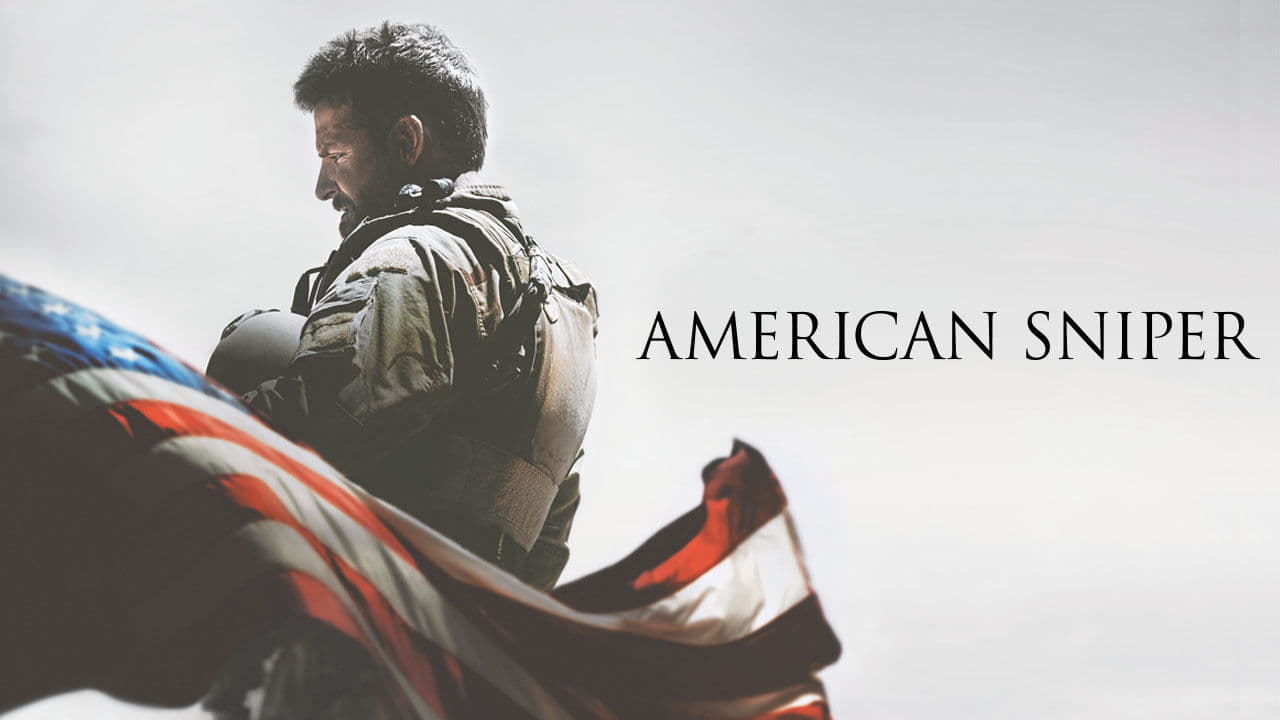
    American Sniper

    Wayne Kyle delivers a stern lecture to his sons about the three types of people in the world and the moral duty to protect others from evil.

    Start a free 7-day trial — 5 downloads a day, unlimited when Pro begins

    Rehearse on your terms

    Take this monologue into rehearsal and work through it at your own pace.

    Scene PreviewExcerpt — subscribe to read full scene

    WAYNE KYLE

    There are three types of people in this world. Sheep, wolves and sheepdogs.

    WAYNE KYLE

    Some people prefer to believe that evil doesn’t exist in the world--

    WAYNE KYLE

    And if hatred ever darkened their doorstep they wouldn’t know how to protect themselves. These are the sheep.

    WAYNE KYLE

    Then you got the predators. These people use violence…

    End of preview. Continue with Pro below.

    7 days freeYour next rehearsal starts here

    Found your next scene? Make it yours.

    Start your free trial and read The Sheepdog Monologue in full, with access to 6,000+ monologues and scenes to explore next.

    • Read the full scene and explore the library
    • Download your script in a clean, printable format
    • Take it into rehearsal with the Script Reader
    Casting Types
    Get Feedback
    Coming Soon

    Want expert coaching on this scene?

    Browse our curated list of acting coaches, dialect specialists, and more.

    Find a Coach

    Need representation?

    Browse verified agents and casting directors in our directory.

    Scene Notes & Audition Tips

    5 sections
    About This Scene

    This powerful monologue from the film *American Sniper* features Wayne Kyle delivering a foundational lesson to his young sons, Chris and Jeff. Known as "The Sheepdog Monologue," it outlines his philosophy on the three distinct types of people: the sheep, the wolves, and the sheepdogs. Wayne uses this vivid analogy to impress upon his children the moral imperative to protect the vulnerable from harm. This scene is a pivotal moment that helps shape Chris Kyle's later worldview and sense of purpose.

    Character Analysis

    Wayne Kyle is presented as a stern, unyielding patriarch with a deeply ingrained moral code. He embodies the "Patriarch" and "Authority Figure" casting types, demonstrating a tough, working-class demeanor. His conviction is absolute, driven by a desire to instill strength and responsibility in his sons, preparing them for a world he perceives as dangerous. Wayne isn't just delivering a lecture; he's imparting a life philosophy born from experience, hinting at a past that has solidified his belief in the necessity of protective aggression. He is intense, philosophical, and driven by a fierce love for his family, believing protection is an inherent moral duty.

    Why This Works for Auditions

    This monologue is exceptional for auditions because it showcases an actor's ability to embody unwavering conviction and authority. It provides rich dramatic material, allowing for a range of subtle emotional beats beneath a seemingly rigid exterior, particularly the underlying paternal love and concern. The clear philosophical argument gives the actor strong objectives, while the inherent dramatic tension of the topic – good versus evil, protection versus vulnerability – makes it immediately engaging. Its powerful tone and memorable message leave a strong impression, making it highly suitable for agent-showcase or self-tape submissions where impact is key.

    Best Suited For

    This monologue is best suited for male actors in the 35-45 age range who can convincingly portray gravitas, authority, and palpable intensity. It's ideal for those cast as a "Patriarch," "Authority Figure," or "Tough" character, especially within a dramatic context. Actors who excel at conveying deeply held beliefs and a commanding presence will find this piece particularly effective. It also works well for performers capable of portraying a character with a strong moral code, even if that code is born from a harsh realism about the world.

    Performance Tips

    When approaching this monologue, focus on Wayne's absolute conviction and the weight of his words. Avoid playing it as just angry; instead, tap into the underlying sense of duty, protectiveness, and the profound importance he places on this lesson for his sons. Consider the subtext of a father imparting crucial life wisdom. Ground your performance in a sense of lived experience, allowing his words to feel earned and authentic rather than purely theoretical. Emphasize the clear distinction between the "sheep," "wolves," and "sheepdogs" with distinct vocal qualities or subtle shifts in intensity to guide the listener through his philosophy.

    No ratings yet
    Sign in to rate