
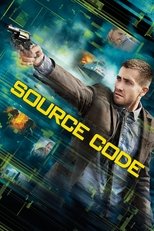
Film
duologue
Sci-Fi

The Source Code Explained

from Source Code

Written by Ben Ripley

Source Code

A intense Colter & Rutledge's duologue from "Source Code" by Ben Ripley.

Start a free 7-day trial — 5 downloads a day, unlimited when Pro begins

Rehearse this scene
Rehearse on your terms

Choose your role and voices for the other characters. Run the scene at your own pace.

Scene PreviewExcerpt — subscribe to read full scene

COLTER

And just what kind of mission is this? Talk to me, man. Why won’t he let me save those people on the train?

RUTLEDGE

Because they can’t be saved.

COLTER

Why not? I know what’s going to happen. I could take apart the bomb. Stop the train.

RUTLEDGE

Yeah but you’d be doing it in the Source Code, not here. Not in our own past. Mystery upon…

End of preview. Continue with Pro below.

7 days freeYour next rehearsal starts here

Found your next scene? Make it yours.

Start your free trial and read The Source Code Explained in full, with access to 4,000+ monologues and scenes to explore next.

  • Read the full scene and explore the library
  • Download your script in a clean, printable format
  • Take it into rehearsal with the Script Reader
Get Feedback
Coming Soon

Want expert coaching on this scene?

Browse our curated list of acting coaches, dialect specialists, and more.

Find a Coach

Need representation?

Browse verified agents and casting directors in our directory.

Scene Notes & Audition Tips

5 sections
About This Scene

This compelling duologue, "The Source Code Explained," features an intense exchange between Colter and Rutledge from the science fiction film *Source Code*. The scene unravels a critical scientific revelation that redefines Colter's understanding of his mission and reality itself. It offers a dense, emotionally charged conversation grounded in complex concepts, providing a fantastic opportunity for actors to explore intellectual and emotional depth simultaneously.

Character Analysis

Colter is presented as a man driven by a desperate need for answers and a profound sense of responsibility. His frustration and urgency are palpable as he grapples with the limitations of his situation, oscillating between scientific curiosity and a humanist desire to save lives. Rutledge, in contrast, maintains a detached, almost weary intellectualism, burdened by knowledge he initially hesitates to share. His character embodies the weight of scientific truth and the ethical ambiguities of his position, revealing flickers of unease despite his authoritative stance.

Why This Works for Auditions

This scene is an excellent choice for auditions because it showcases an actor's ability to handle complex dialogue and maintain intensity over a sustained period. The gradual revelation of information allows for a dynamic performance arc, building from confusion and frustration to a profound intellectual processing. It also effectively demonstrates a performer's capacity to engage in a high-stakes conversation where both characters are operating under immense pressure, demanding precise emotional control and intellectual grasp.

Best Suited For

This duologue is best suited for male actors in the 25-35 age range for Colter, and 50-60s for Rutledge, who can convincingly portray scientific curiosity, urgency, and moral conflict. Actors who excel at conveying subtext and internal struggle will find rich material here. It’s particularly effective for those auditioning for roles in science fiction, thrillers, or dramas that require a strong intellectual component alongside emotional depth.

Performance Tips

For Colter, focus on the escalating stakes and his desperate need to understand, allowing his frustration to fuel his inquiries without devolving into simple anger. Explore how the scientific explanations challenge his perception of reality, showing his mind working in real-time. For Rutledge, lean into his initial reluctance and the weight of the information he possesses. Convey his intellectual authority and the underlying unease about the implications of the Source Code, letting his fatigue and ethical burden subtly inform his delivery.

Explore this topic