Film
monologue
Drama

The Final Ring Speech

from The Wrestler

Written by Robert Siegel

The Wrestler

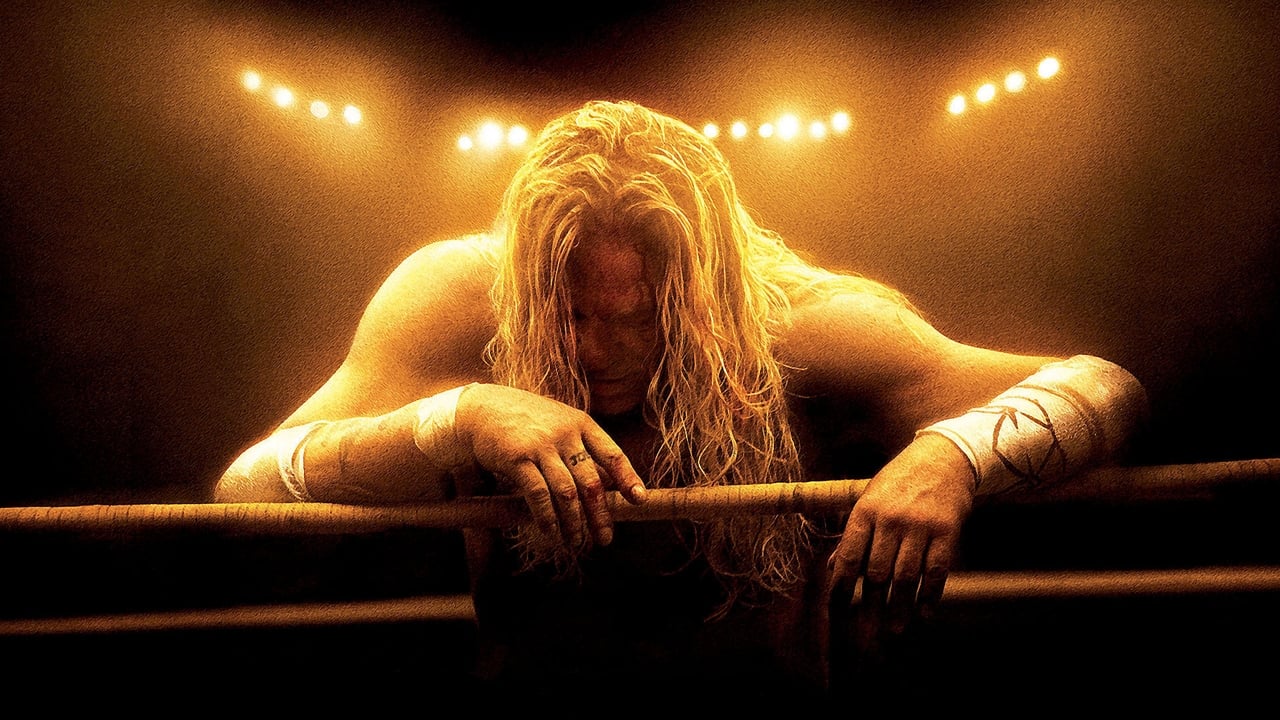
An aging professional wrestler addresses his loyal fans in the ring, reflecting on the physical toll the sport has taken on his body. He expresses deep gratitude, explaining that their cheers are the only thing that makes him feel whole despite his injuries.

Start a free 7-day trial — 5 downloads a day, unlimited when Pro begins

Rehearse on your terms

Take this monologue into rehearsal and work through it at your own pace.

Scene PreviewExcerpt — subscribe to read full scene

RANDY

I just got one thing to say to you people...

RANDY

Thank you.
End of preview. Continue with Pro below.

7 days freeYour next rehearsal starts here

Found your next scene? Make it yours.

Start your free trial and read The Final Ring Speech in full, with access to 3,000+ monologues and scenes to explore next.

  • Read the full scene and explore the library
  • Download your script in a clean, printable format
  • Take it into rehearsal with the Script Reader
Casting Types
Get Feedback
Coming Soon

Want expert coaching on this scene?

Browse our curated list of acting coaches, dialect specialists, and more.

Find a Coach

Need representation?

Browse verified agents and casting directors in our directory.

Scene Notes & Audition Tips

5 sections
About This Scene

This powerful monologue from *The Wrestler* features Randy, an aging professional wrestler, delivering a heartfelt speech to his devoted fans. He candidly reflects on the severe physical consequences of his career, detailing how years of brutal matches have taken a toll on his body. Despite these sacrifices, Randy expresses profound gratitude, emphasizing that the adulation and support from his audience are what truly make him feel alive and validated.

Character Analysis

Randy is a complex character defined by resilience, vulnerability, and a deep emotional connection to his craft and his fans. He embodies the "Everyman" and "Working Class" archetypes, having dedicated his life to a physically demanding profession that ultimately broke his body but sustained his spirit. His speech reveals a man who, despite outward toughness, harbors a profound need for validation and belonging, finding it solely in the cheers of the crowd. His acknowledgment of past injuries highlights a poignant struggle with aging and legacy, making him an incredibly relatable and sympathetic figure.

Why This Works for Auditions

This monologue is an excellent choice for auditions because it showcases a substantial emotional arc within a concise timeframe. Actors can demonstrate a wide range of emotions, moving from reflective weariness to profound gratitude and defiant passion. The clear narrative of physical sacrifice for spiritual reward provides strong motivation, allowing performers to build intensity and connect deeply with the material, making a memorable impact on casting directors. Its grounded, contemporary language also makes it easily accessible and believable.

Best Suited For

This monologue is ideally suited for male actors aged 45-55 who can embody a "Character Actor," "Everyman," or "Vulnerable" archetype with a touch of "Toughness." It's perfect for those who can portray a weathered individual who has endured hardship but still possesses a powerful, almost childlike, need for acceptance and love. Actors looking for material that demonstrates a blend of physical groundedness, emotional depth, and a strong sense of legacy will find this piece particularly effective.

Performance Tips

When performing this monologue, focus on Randy's underlying pain and his genuine appreciation for his fans, allowing both emotions to be present simultaneously. Pay close attention to the physical realities Randy describes, letting the weight of those injuries inform your posture, voice, and facial expressions without becoming overly theatrical. Build the speech gradually, allowing the emotional truth to resonate with each beat, and let the final moments be a powerful, almost desperate, declaration of his unwavering commitment to his identity as a wrestler.

Explore this topic