Tv
duologue
Drama

The Things We Lost

from Death by Lightning

Written by Mike Makowsky

Death by Lightning

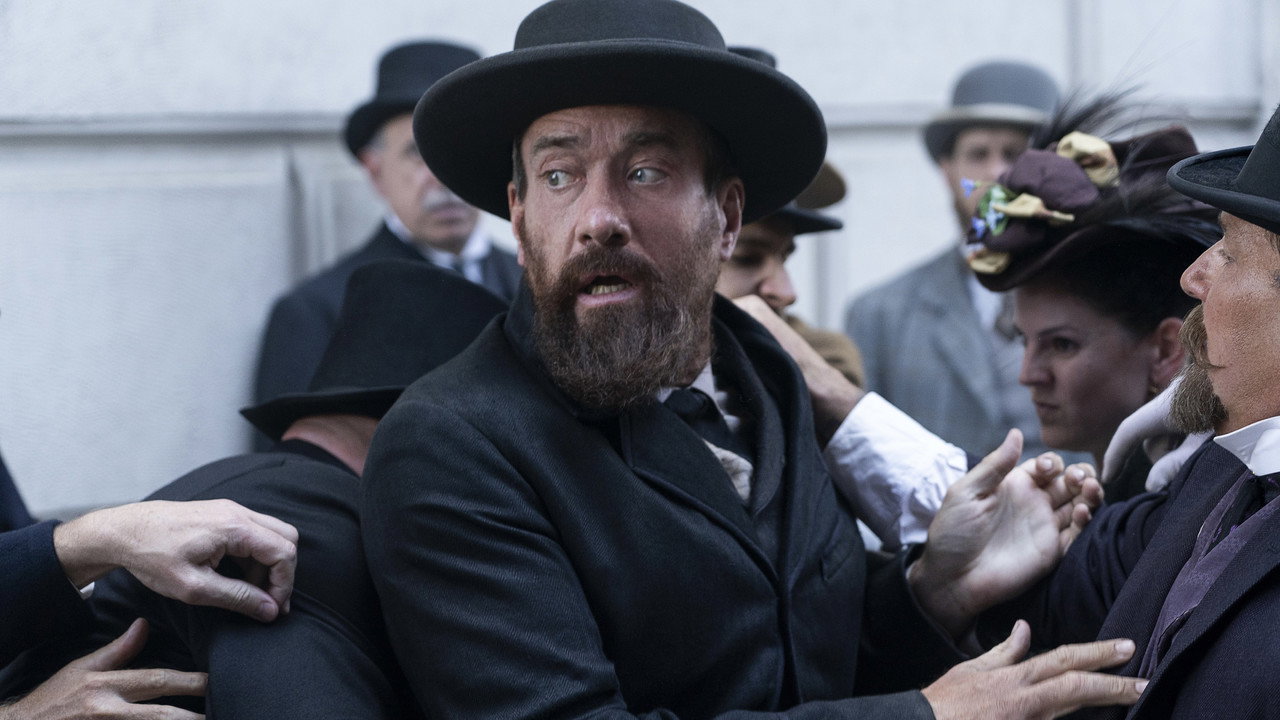
Jim informs his wife Crete that he has been asked to deliver a convention speech that challenges the party's support of Ulysses S. Grant. Crete fears the political and personal repercussions of returning to the spotlight, while Jim reflects on his own expendability within the party machine.

Start a free 7-day trial — 5 downloads a day, unlimited when Pro begins

Rehearse this scene
Rehearse on your terms

Choose your role and voices for the other characters. Run the scene at your own pace.

Scene PreviewExcerpt — subscribe to read full scene

JIM

Hayes doesn’t have the support of the party. They’re putting their weight behind a new candidate.

CRETE

God help us. Not Grant again.

JIM

Grant’s popular. The public still sees the man who won the war. They turn a blind eye to his scandals.

CRETE

New York has its claws in him. They parade him around like some puffed- up old totem at their…

End of preview. Continue with Pro below.

7 days freeYour next rehearsal starts here

Found your next scene? Make it yours.

Start your free trial and read The Things We Lost in full, with access to 3,000+ monologues and scenes to explore next.

  • Read the full scene and explore the library
  • Download your script in a clean, printable format
  • Take it into rehearsal with the Script Reader
Casting Types
Get Feedback
Coming Soon

Want expert coaching on this scene?

Browse our curated list of acting coaches, dialect specialists, and more.

Find a Coach

Need representation?

Browse verified agents and casting directors in our directory.

Scene Notes & Audition Tips

5 sections
About This Scene

This intense dramatic duologue, "The Things We Lost" from the television series *Death by Lightning*, places two characters, Jim and Crete, at a pivotal moment. Jim has just received an invitation to deliver a significant political speech at a convention, a speech intended to challenge the establishment's support for Ulysses S. Grant. The scene expertly navigates the complex interplay of personal ambition, political maneuvering, and a shared, difficult past, revealing the deep-seated fears and aspirations of both characters.

Character Analysis

Jim, in his 40s, is presented as a man grappling with his place in a ruthless political landscape. He expresses cynicism about his own expendability and the party machine, yet there's a clear undercurrent of ambition and a "twinkle in his eye" suggesting a desire to re-enter the fray, despite the risks. Crete, also in her 40s, embodies caution and a profound awareness of past hardships. Her fear of returning to the spotlight and her concern for "the things we lost" highlight her protective nature and perhaps a weariness from previous political battles.

Why This Works for Auditions

This scene offers actors a fantastic opportunity to showcase nuanced emotional range and sophisticated character work within a compact duration. The tension between Jim's suppressed ambition and Crete's palpable apprehension creates a dynamic environment for performance, allowing for both overt and subtle expressions of internal conflict. It provides a strong arc of discovery and emotional negotiation, which is highly desirable for audition panels looking for depth and presence.

Best Suited For

This duologue is ideally suited for actors in the 35-45 age range who are looking to demonstrate their ability to portray complex, intelligent characters under pressure. It's excellent for those aiming for roles requiring a Leading Man or Leading Lady quality, particularly if those roles involve political intrigue, marital strain, or intense dramatic stakes. The contemporary period and sophisticated tone also make it perfect for actors targeting dramatic television or film projects.

Performance Tips

Focus on the subtext and unspoken history between Jim and Crete. Jim's line about being "barely alive to begin with" reveals a profound sense of past defeat or marginalization; lean into the weight of that. For Crete, let her fear be rooted not just in current political danger, but in the echoes of past trauma, making her plea "tell me we’re past this" truly heartfelt and urgent. Pay close attention to the shifting power dynamics and the way each character tries to influence the other, especially in the subtle pauses and shared glances.

Explore this topic