Tv
duologue
Drama
Thriller

The Tragic Evolutionary Misstep

from True Detective

Written by NIC PIZZOLATTO

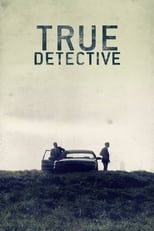
True Detective

During a long drive, Cohle explains his nihilistic worldview to a disturbed Hart, arguing that humanity should voluntarily go extinct.

Start a free 7-day trial — 5 downloads a day, unlimited when Pro begins

Rehearse this scene
Rehearse on your terms

Choose your role and voices for the other characters. Run the scene at your own pace.

Scene PreviewExcerpt — subscribe to read full scene

COHLE

...In philosophical terms, I’m what’s called a pessimist.

HART

‘In philosophical terms,’ what’s that mean?

COHLE

Means I’m bad at parties.

COHLE

I think that human consciousness is a tragic evolutionary misstep. I think that nature fabricated an aspect of nature that’s forever separated from it. A creature that by natural law should not exist.

End of preview. Continue with Pro below.

7 days freeYour next rehearsal starts here

Found your next scene? Make it yours.

Start your free trial and read The Tragic Evolutionary Misstep in full, with access to 3,000+ monologues and scenes to explore next.

  • Read the full scene and explore the library
  • Download your script in a clean, printable format
  • Take it into rehearsal with the Script Reader
Casting Types
Get Feedback
Coming Soon

Want expert coaching on this scene?

Browse our curated list of acting coaches, dialect specialists, and more.

Find a Coach

Need representation?

Browse verified agents and casting directors in our directory.

Scene Notes & Audition Tips

5 sections
About This Scene

This intense duologue from *True Detective* features Cohle articulating his bleak, nihilistic worldview to a visibly disturbed Hart during a car journey. The scene explores themes of existentialism, the nature of human consciousness, and the inherent suffering of existence, culminating in Cohle's radical suggestion for humanity's voluntary extinction. It's a powerful exchange that highlights the profound philosophical divide between two detectives, set against the mundane backdrop of a long drive.

Character Analysis

Cohle is presented as an intellectual, profoundly introspective, and highly articulate individual, yet deeply detached from conventional human experience. His dialogue is rich with philosophical concepts, delivered with a calm, almost academic precision that belies the shocking nature of his beliefs. Hart, in contrast, serves as the audience's anchor, reacting with disbelief, frustration, and ultimately anger to Cohle's provocative pronouncements. He represents a more grounded, emotional, and conventional perspective, making his struggle to comprehend Cohle a crucial part of the scene's dynamic.

Why This Works for Auditions

This scene provides a fantastic opportunity for actors aged 25-35 to showcase their ability to handle dense, character-driven dialogue and profound emotional conflict. It demands a sophisticated understanding of subtext and pacing, allowing both actors to explore complex internal states—Cohle's detached conviction and Hart's escalating distress—without relying on overt action. The contrast in their delivery and reaction creates immediate drama, making it a compelling piece for drama school auditions, agent showcases, or self-tapes.

Best Suited For

This duologue is ideally suited for actors who excel at playing intelligent, intense, or gritty roles, particularly those in the Leading Man or Detective archetypes. It works exceptionally well for performers comfortable with philosophical material and capable of conveying deep internal struggle or unsettling conviction. The scene's intense tone and exploration of nihilism also make it perfect for actors looking to demonstrate their range in tackling challenging, thought-provoking content.

Performance Tips

When approaching Cohle, focus on delivering his lines with a quiet, unwavering conviction, allowing the weight of his words to land without resorting to excessive histrionics. For Hart, concentrate on a gradual build of frustration and disbelief, letting his internal struggle manifest through subtle physical reactions and vocal shifts rather than immediately exploding. Pay close attention to the rhythm of the dialogue, using the silences and overlapping moments to underscore the tension and the characters' differing perspectives on life's most profound questions.

Explore this topic