
Skip to content
    Film
    duologue
    Sci-Fi, Drama

    The Truth About Memories

    from Blade Runner

    BAFTA Winner

    Written by Hampton Fancher & David Peoples

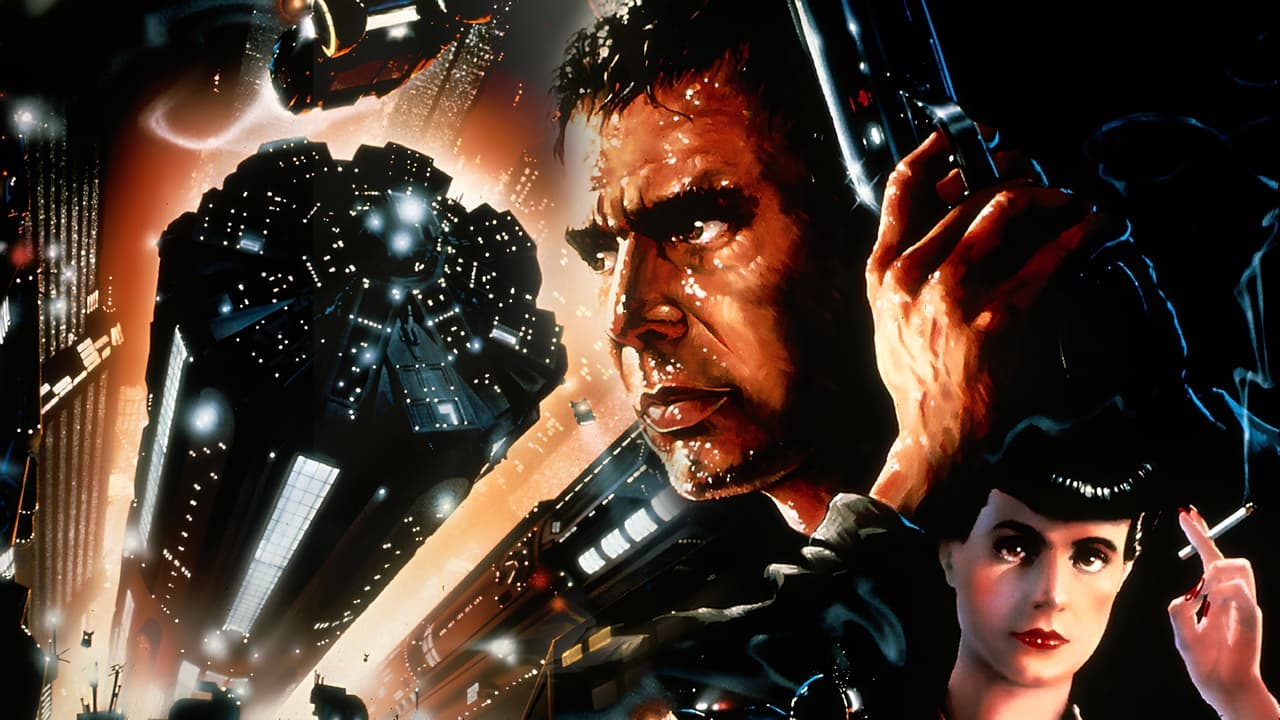
    Blade Runner

    2 min 30 sec · 2 characters · Any gender · Adult

    Deckard brutally reveals to Rachael that her cherished childhood memories are actually artificial implants belonging to someone else. As he recites intimate details of her past that he couldn't possibly know, Rachael's sense of identity completely collapses, leaving her devastated.

    Start a free 7-day trial — 5 downloads a day, unlimited when Pro begins

    Rehearse this scene
    Rehearse on your terms

    Choose your role and voices for the other characters. Run the scene at your own pace.

    Scene PreviewExcerpt — subscribe to read full scene

    RACHAEL

    He wouldn't see me.

    DECKARD

    I'm gonna have a drink.

    RACHAEL

    You think I'm a replicant, don't you? Look. It's me with my parents.

    DECKARD

    You remember when you were about six and you and your brother snuck into an empty building through the basement window?

    RACHAEL

    What? Y-yes....

    End of preview. Continue with Pro below.

    7 days freeYour next rehearsal starts here

    Found your next scene? Make it yours.

    Start your free trial and read The Truth About Memories in full, with access to 7,500+ monologues and scenes to explore next.

    • Read the full scene and explore the library
    • Download your script in a clean, printable format
    • Take it into rehearsal with the Script Reader
    Casting Types
    Get Feedback
    Coming Soon

    Want expert coaching on this scene?

    Browse our curated list of acting coaches, dialect specialists, and more.

    Find a Coach

    Need representation?

    Browse verified agents and casting directors in our directory.

    Scene Notes & Audition Tips

    5 sections
    About This Scene

    Written by Hampton Fancher & David Peoples for the film Blade Runner, this contemporary sci-fi drama duologue runs approximately two and a half minutes. Set inside Deckard's apartment at night, the piece captures a devastating existential revelation as Deckard reveals to Rachael that her cherished childhood memories are actually artificial implants. As her foundational sense of self collapses under his cruel yet complex disclosure, both characters navigate an intense personal crisis regarding memory and identity.

    Character Analysis

    Deckard is an adult anti-hero figure, gritty, weary, and defensive, who adopts a harsh and bitter exterior to deliver an unbearable truth. His sudden reversal into claiming it was a bad joke highlights an underlying conflict and a reluctant streak of empathy beneath his bluntness. Rachael presents a vulnerable, poised exterior that begins to unravel completely in real time. Her journey moves from quiet desperation to prove her humanity into utter shock and devastation as the intimate history she anchored her life upon is exposed as synthetic.

    Why This Works for Auditions

    This BAFTA-winner material provides exceptional dramatic stakes without requiring high physical action or overt melodrama. The scene relies heavily on listening, subtext, and subtle emotional shifts, giving actors an ideal platform to demonstrate restraint and micro-expressions. Because the dialogue centers on intimate personal memories, casting directors can instantly assess an actor's ability to process shocking information authentically and maintain focus under pressure.

    Best Suited For

    This duologue is well suited for adult actors seeking material for agent showcases, self-tapes, or general practice. It serves performers suited for leading man, ingenue, anti-hero, gritty, and vulnerable casting types. Any gender pairing can explore the deep existential drama and psychological tension present in this exchange.

    Performance Tips

    For Rachael, resist playing the final devastation too early; allow the realization to dawn slowly through physical stillness and cracking composure as the details register. Deckard must balance the cruelty of the delivery with the subtle remorse that causes him to abruptly dismiss the conversation. Avoid rushing the rhythm of the disclosure, letting the weight of each revealed memory sit in the silence between the characters.

    No ratings yet
    Sign in to rate