Film
monologue
Drama
Thriller

The Uncertainty Principle

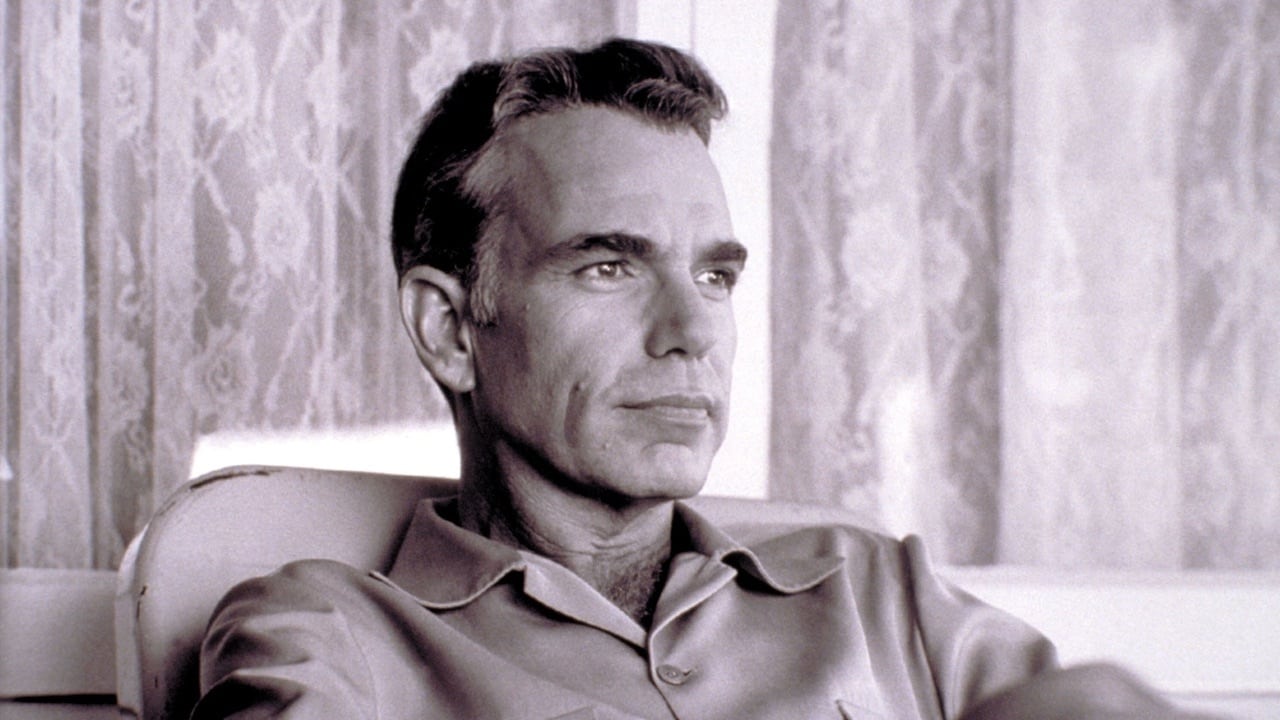
from Man Who Wasnt There

Written by Ethan Coen, Joel Coen

Man Who Wasnt There

A cynical lawyer explains the Uncertainty Principle to argue that the more one looks for the truth, the less one actually knows.

Start a free 7-day trial — 5 downloads a day, unlimited when Pro begins

Rehearse on your terms

Take this monologue into rehearsal and work through it at your own pace.

Scene PreviewExcerpt — subscribe to read full scene

RIEDENSCHNEIDER

...They got this guy, in Germany. Fritz something-or-other. Or is it. Maybe it's Werner. Anyway, he's got this theory, you wanna test something, you know, scientifically--how the planets go round the sun, what sunspots are made of, why the water comes out of the tap--well, you gotta look at it. But sometimes, you look at it, your looking…

End of preview. Continue with Pro below.

7 days freeYour next rehearsal starts here

Found your next scene? Make it yours.

Start your free trial and read The Uncertainty Principle in full, with access to 4,000+ monologues and scenes to explore next.

  • Read the full scene and explore the library
  • Download your script in a clean, printable format
  • Take it into rehearsal with the Script Reader
Casting Types
Get Feedback
Coming Soon

Want expert coaching on this scene?

Browse our curated list of acting coaches, dialect specialists, and more.

Find a Coach

Need representation?

Browse verified agents and casting directors in our directory.

Scene Notes & Audition Tips

5 sections
About This Scene

This compelling monologue features Riedenschneider, a cynical lawyer, delivering a philosophical exposition on the "Uncertainty Principle." He uses this scientific concept to argue that the act of observation inevitably alters reality, making the objective truth elusive and ultimately unknowable. The scene captures his intense, sophisticated, and slightly unsettling worldview as he articulates how the more one scrutinizes an event, the less clear the original reality becomes. It's a rich piece for actors looking to explore complex thought processes and a character who delights in intellectual manipulation.

Character Analysis

Riedenschneider is presented as an intelligent and deeply cynical individual, likely in his 50s. His profession as a lawyer informs his perspective, as he manipulates complex ideas with the precision of a legal argument, even when discussing scientific theory. He is an authority figure not just by profession but by his intellectual command, exhibiting an intense and knowing tone. His enjoyment in dissecting abstract concepts suggests a mind that thrives on questioning established norms and revels in the inherent ambiguity of existence, making him a fascinating character to embody.

Why This Works for Auditions

This monologue is an excellent choice for auditions because it showcases an actor's ability to handle complex text, embody intellectual intensity, and project a cynical yet compelling charm. Its philosophical nature allows for a display of deep thought and vocal control, moving beyond simple emotional reactions to reveal a sophisticated internal world. The "contemporary" period makes it relevant, while its "drama" genre allows for nuanced character work without needing extreme physical action, making it highly versatile for various casting scenarios.

Best Suited For

This monologue is particularly well-suited for male actors aged 45-55 who can embody a "Character Actor," "Lawyer," or "Authority Figure" type. It’s ideal for those who excel at playing "Intense" and "Sophisticated" roles, and who can convincingly portray intellectual depth and cynical wit. This piece is perfect for drama school auditions, agent showcases, and self-tape submissions, providing a strong platform to demonstrate mental agility and a commanding stage presence. Actors who enjoy exploring philosophical themes will find this a rewarding selection.

Performance Tips

When performing this monologue, focus on Riedenschneider's underlying cynicism and intellectual delight rather than overt emotionality. Emphasize the precision of his language and the cleverness with which he connects scientific theory to human perception, maintaining a consistent, almost hypnotic rhythm as he builds his argument. Utilize subtle physical gestures and shifts in gaze to convey his internal processing and his slightly unsettling confidence, ensuring his philosophical points land with impact. Allow his "Intense" tone to emanate from his conviction in his cynical worldview, making the character both thought-provoking and memorable.

Explore this topic