Skip to content
    Film
    duologue
    Comedy-Drama
    Comedy

    The Unemployable Actor

    from Tootsie

    Oscar WinnerBAFTA Winner

    Written by Larry Gelbart

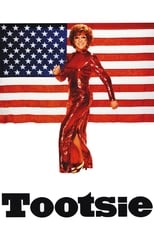
    Tootsie

    2 min · 2 characters · Male · 45-55 (also 35-45, 55+)

    An uncompromising actor confronts his agent about his lack of work, only to be told his difficult reputation has made him unemployable.

    Start a free 7-day trial — 5 downloads a day, unlimited when Pro begins

    Rehearse this scene
    Rehearse on your terms

    Choose your role and voices for the other characters. Run the scene at your own pace.

    Scene PreviewExcerpt — subscribe to read full scene

    GEORGE

    No. Michael Dorsey is a name. When you want to send a steak back, Michael Dorsey is a name. Excuse me. Why do you make me say things like that? Let me start again. Terry Bishop is on a “soap.” Millions of people watch him. He’s known.

    MICHAEL

    And that qualifies him to ruin “Iceman Cometh?”

    GEORGE

    Look, I can’t have this conversation.

    End of preview. Continue with Pro below.

    7 days freeYour next rehearsal starts here

    Found your next scene? Make it yours.

    Start your free trial and read The Unemployable Actor in full, with access to 8,000+ monologues and scenes to explore next.

    • Read the full scene and explore the library
    • Download your script in a clean, printable format
    • Take it into rehearsal with the Script Reader
    Casting Types
    Get Feedback
    Coming Soon

    Want expert coaching on this scene?

    Browse our curated list of acting coaches, dialect specialists, and more.

    Find a Coach

    Need representation?

    Browse verified agents and casting directors in our directory.

    Scene Notes & Audition Tips

    5 sections
    About This Scene

    Written by Larry Gelbart for the comedy-drama film Tootsie, this sharp contemporary duologue showcases a heated confrontation between an uncompromising actor and his long-suffering talent representative. As the performer demands answers about his lack of work, his agent delivers a blunt reality check regarding how industry professionals perceive his difficult reputation. It is a masterclass in dynamic, fast-paced show business banter that balances biting humor with genuine professional frustration.

    Character Analysis

    Michael is a fiercely dedicated performer in his forties whose artistic integrity borders on self-sabotage, driving him to defend high-minded theatrical pursuits even as he faces total career stagnation. George is a weary, pragmatic agent in his fifties who operates strictly in the commercial world of audience appeal and practical industry transactions. Their clash exposes two opposing philosophies of entertainment, with Michael representing stubborn artistic conviction while George embodies the unvarnished commercial realities of the business.

    Why This Works for Auditions

    This piece provides actors with crisp, rapid-fire dialogue that immediately tests comedic timing, active listening, and conversational rhythm. Because both roles possess clear, opposing objectives that escalate with each exchange, the scene maintains strong dramatic momentum without ever lagging. It allows two performers to demonstrate an authentic interpersonal history filled with exasperation, sharp wit, and underlying familiarity.

    Best Suited For

    This two-minute scene is exceptionally well suited for agent showcases, self-tape presentations, drama school auditions, and general scene study practice. Mature male actors playing in their forties and fifties will find rich material here, especially those aligned with character actor, business executive, intense, everyman, or anti-hero casting types. It serves as an ideal showcase for mature performers looking to highlight their command of intelligent, high-stakes comedy.

    Performance Tips

    Resist the urge to play the comedy broadly or let the confrontation devolve into mere shouting. Anchor Michael’s passion in genuine artistic vulnerability and mounting panic, ensuring that his desperation fuels his arguments rather than simple petulance. George should counter this manic energy with grounded, unflappable authority, using dry fatigue rather than outright hostility to cut through his client’s rationalizations. Keep the transitions between each tactical maneuver instantaneous so the dialogue retains its crackling, natural rhythm.

    No ratings yet
    Sign in to rate
