Film
group
Drama

The Unwholesome Attachment

from Heavenly Creatures

Written by FRANCES WALSH, PETER JACKSON

Heavenly Creatures

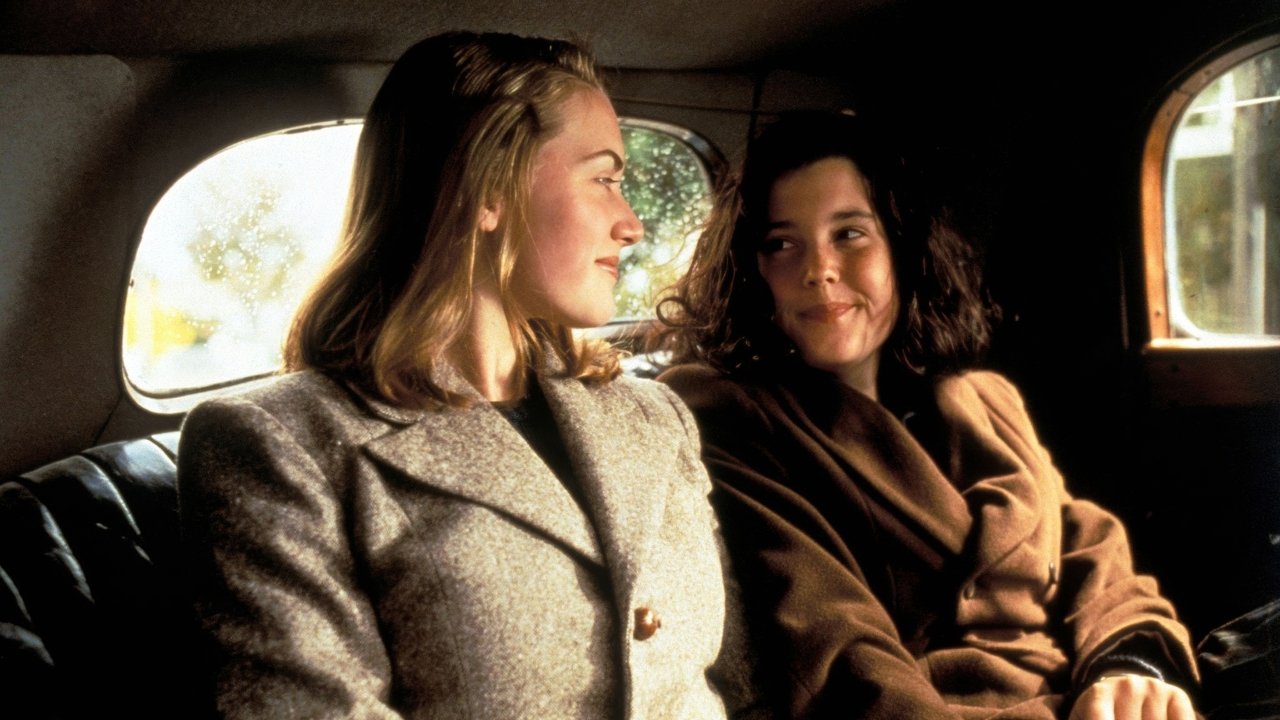
Dr. Henry Hulme visits the Rieper household to express his growing concern over the intense and obsessive friendship between their daughters, Juliet and Pauline. He suggests the relationship is 'unwholesome' and recommends psychiatric intervention to correct Pauline's behavior before it escalates.

Start a free 7-day trial — 5 downloads a day, unlimited when Pro begins

Rehearse this scene
Rehearse on your terms

Choose your role and voices for the other characters. Run the scene at your own pace.

Scene PreviewExcerpt — subscribe to read full scene

HENRY

Your daughter's... an imaginative and a spirited girl.

HONORA

If she's spending too much time at your house, you only need to say. All those nights she spends over - she's assured us that you don't mind...

HENRY

It's rather more complicated than that. Since Mrs. Hulme and I have returned home, Juliet has been behaving in a rather disturbed…

End of preview. Continue with Pro below.

7 days freeYour next rehearsal starts here

Found your next scene? Make it yours.

Start your free trial and read The Unwholesome Attachment in full, with access to 1,000+ monologues and scenes to explore next.

  • Read the full scene and explore the library
  • Download your script in a clean, printable format
  • Take it into rehearsal with the Script Reader
Casting Types
Get Feedback
Coming Soon

Want expert coaching on this scene?

Browse our curated list of acting coaches, dialect specialists, and more.

Find a Coach

Need representation?

Browse verified agents and casting directors in our directory.

Scene Notes & Audition Tips

5 sections
About This Scene

This group scene, "The Unwholesome Attachment," features an intense and concerned conversation between Dr. Henry Hulme and the Rieper parents. Set in a contemporary 1950s period, the scene explores the escalating worries of a parent, Henry, regarding his daughter Juliet's obsessive friendship with Pauline Rieper. He attempts to delicately convey his concerns about Pauline's behavior and the "unwholesome attachment" he perceives, suggesting psychiatric intervention as a solution.

Character Analysis

Henry, as Dr. Hulme, embodies an authority figure attempting to maintain a professional demeanor while delivering uncomfortable news. He is concerned, perhaps a little uncomfortable, and clearly feels he is doing the right thing by intervening. Honora Rieper, Pauline's mother, initially appears dismissive and even slightly antagonistic, defensive of her daughter and potentially embarrassed by the implication of her behavior. Herbert Rieper is more jovial and initially oblivious, demonstrating a working-class sensibility and perhaps a lack of deep insight into his daughter's inner world, before aligning with Henry's more superficial concerns.

Why This Works for Auditions

This scene is excellent for auditions as it offers three distinct character arcs and nuanced emotional journeys within a short timeframe. The escalating tension and the unspoken subtext of Henry's true concerns provide rich material for actors to explore their dramatic range. It allows for strong choices in portraying parental concern, denial, and social awkwardness, providing ample opportunity to showcase active listening and reaction while navigating a difficult conversation.

Best Suited For

This scene is best suited for adult actors looking to demonstrate their ability to handle dramatic material with layers of subtext and varying levels of emotional awareness. It's particularly strong for those casting types including Authority Figure, Parent, and those who can embody a 1950s sensibility. It allows for showcasing a performance that balances the outward presentation of a character with their internal anxieties and motivations, ideal for self-tapes and agent showcases.

Performance Tips

Actors should focus on the underlying tension and unspoken fears each character holds. For Henry, consider his discomfort and the weight of his perceived responsibility, allowing it to manifest in his posture and delivery. Honora should explore her initial defensiveness and then the dawning realization of Henry's true meaning, showing a shift from polite dismissal to genuine worry. Herbert can be played with an initial jovial obliviousness that gives way to a more superficial agreement, highlighting his less intuitive nature compared to Honora. Pay close attention to subtle shifts in power dynamics and the uncomfortable pauses that punctuate this difficult conversation.

Explore this topic