Film
group
Western, Horror

The Ute's Bait

from The Burrowers

Written by JT Petty

The Burrowers

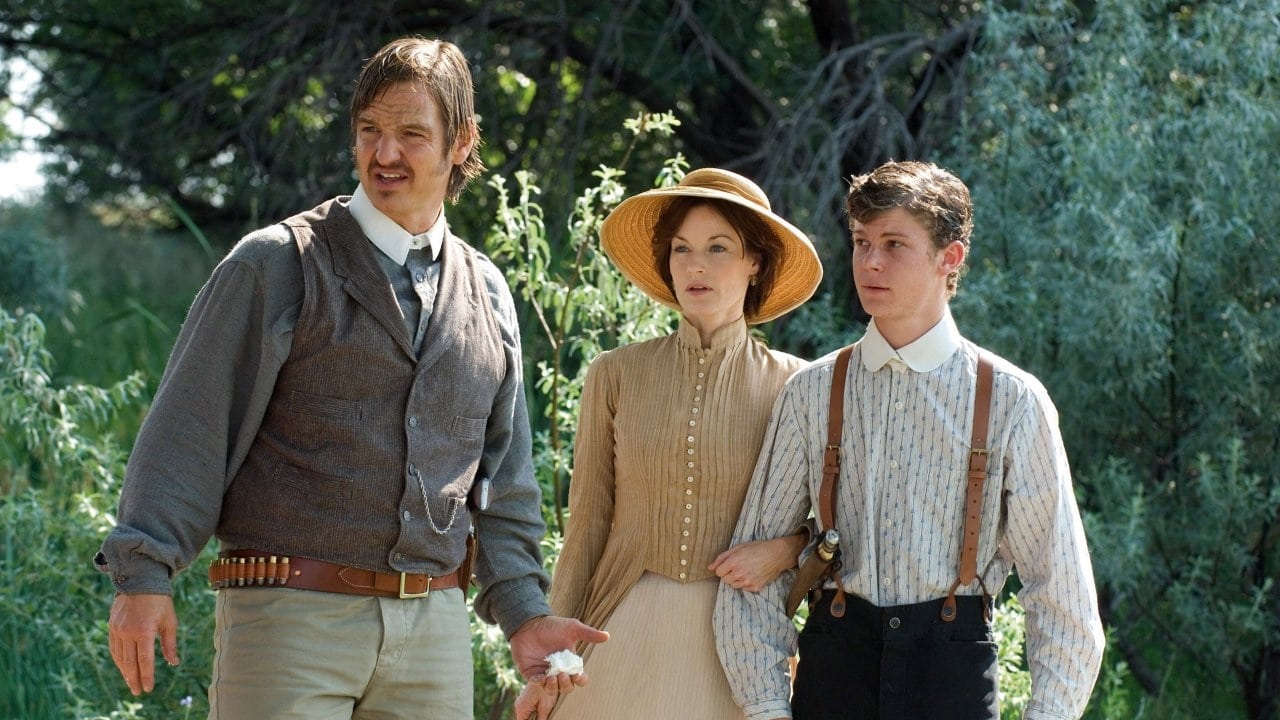
In a tense nighttime confrontation, a group of survivors is intercepted by Ute warriors who intend to take a dying man to use as 'bait' for subterranean monsters. Dutch is forced to choose between a violent intervention and the grim realization that his missing loved one is already dead, leading to a desperate resolve to find answers.

Start a free 7-day trial — 5 downloads a day, unlimited when Pro begins

Rehearse this scene
Rehearse on your terms

Choose your role and voices for the other characters. Run the scene at your own pace.

Scene PreviewExcerpt — subscribe to read full scene

DUTCH

Here.

UTE VOICE

Good Indian! Peaceful! Good Indian!

SHORT UTE

Good Indian. <Are you able to speak?>

SHORT UTE

No English.

CALLAGHAN

Drop me. Get the rifle.
End of preview. Continue with Pro below.

7 days freeYour next rehearsal starts here

Found your next scene? Make it yours.

Start your free trial and read The Ute's Bait in full, with access to 3,000+ monologues and scenes to explore next.

  • Read the full scene and explore the library
  • Download your script in a clean, printable format
  • Take it into rehearsal with the Script Reader
Casting Types
Get Feedback
Coming Soon

Want expert coaching on this scene?

Browse our curated list of acting coaches, dialect specialists, and more.

Find a Coach

Need representation?

Browse verified agents and casting directors in our directory.

Scene Notes & Audition Tips

5 sections
About This Scene

This intense group scene, "The Ute's Bait," is extracted from the film *The Burrowers*, offering a potent blend of Western and Horror genres. Set under the cover of a desolate night, a small group of survivors finds themselves in a precarious situation when two Ute warriors appear, seeking to claim an injured man as "bait" for unseen subterranean creatures. The dialogue is sharp and loaded with subtext, forcing Dutch, the central figure, into an impossible ethical dilemma that highlights themes of survival, desperation, and tragic inevitability.

Character Analysis

Dutch is presented as a burdened leader, wrestling with immediate threats while grappling with the agonizing uncertainty of his missing loved one's fate. His reluctance to escalate the situation, even at the expense of an injured comrade, reveals a desperate pragmatism born from harsh experience and a glimmer of hope that a peaceful resolution might lead to answers about his lost family. Callaghan, meanwhile, is a man in extreme pain, his whispered pleas to be dropped highlighting his vulnerability and desperate instinct for self-preservation. Parcher adds an element of oblivious fanaticism, while the Short Ute, though initially appearing threatening, attempts to communicate a chilling proposition, embodying a pragmatic ruthlessness born of his own struggle against the "Burrowers."

Why This Works for Auditions

This scene is excellent for auditions because it provides multiple characters with high-stakes, emotionally charged material within a short timeframe. The shifting power dynamics, language barriers, and the constant underlying threat create a palpable tension that allows actors to showcase their ability to convey complex internal struggles and reactive performances. It's a fantastic opportunity to demonstrate versatility in both verbal and non-verbal communication, as characters react to pain, fear, and the chilling implications of the Utes' proposal.

Best Suited For

This scene is particularly well-suited for character actors and leading men who excel at portraying gritty, tough, and vulnerable qualities. Actors comfortable with physical tension, controlled desperation, and the weight of moral compromise will find rich material here. It’s ideal for those looking to showcase a commanding presence tempered by grief or pragmatism, making it perfect for agent showcases, self-tapes, or general practice sessions.

Performance Tips

Focus on the physical manifestations of each character's state: Callaghan's pain, Dutch's conflicted leadership, Parcher's detached observation, and the Utes' unsettling composure. For Dutch, emphasize his internal conflict—the desperate desire for answers versus the immediate need to protect his group. Consider how the language barrier impacts communication and trust, using non-verbal cues and subtext to convey unspoken intentions and growing dread. Play the moments of quiet tension and the implications of the Ute's chilling offer, allowing the desperation and tragedy to build authentically.

Explore this topic