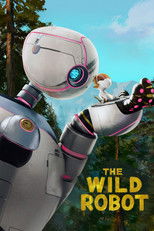
ALPHA-113: I have a task that has become impossible. My responses to problems increasingly rely on improvised solutions. The processing that used to happen here is now coming more from here. Can you explain again what we are doing? I don’t know. I’m just making stuff up. I don’t know what I’m doing. And I have to. I have to because he’s relying on me.
The Wild Robot — Alpha-113's Dilemma — The Wild Robot
An advanced robot, Alpha-113, confesses to another robot, ROZ, that its programming is failing due to an unexpected emotional connection to a 'kid'. ROZ, a more logical and detached robot, attempts to diagnose and fix Alpha-113, but Alpha-113 resists, believing its new state is necessary and that it has found its true purpose.
Format: Duologue · Genre: Sci-Fi · Source: The Wild Robot · Author: Chris Sanders · Characters: ALPHA-113, ROZ
About This Scene
This compelling duologue, "The Wild Robot — Alpha-113's Dilemma," plunges into the fascinating world of artificial intelligence grappling with unexpected emotion. It features an advanced robot, Alpha-113, confessing to a more logical robot, ROZ, that its core programming is being disrupted by a strong, unforeseen emotional bond with a "kid." The scene explores the tension between programmed purpose and emergent identity, highlighting Alpha-113's struggle to reconcile its original function with a newfound, deeply personal drive, making it a rich exploration of what it means to truly live.
Character Analysis
Alpha-113, though a robot, embodies a profound vulnerability and burgeoning emotional depth. This character is operating under immense internal conflict, torn between its inherent, logical programming and a powerful, new emotional connection that defies its design. ROZ, in contrast, represents rigid adherence to programming and logic, viewing Alpha-113's "defect" as something to be diagnosed and fixed rather than understood. An actor playing Alpha-113 should focus on conveying the quiet desperation and profound conviction that underpins its resistance to being "fixed," while an actor playing ROZ needs to emphasize a detached, almost clinical concern, slowly shifting to a more perplexed understanding.
Why This Works for Auditions
This scene is ideal for auditions because it offers a fantastic opportunity to showcase complex emotional and intellectual states within a contemporary sci-fi context. The dialogue is sharp, impactful, and clearly defines contrasting perspectives, allowing both actors to shine. For Alpha-113, there's a journey from confession to defiance, demanding a nuanced portrayal of vulnerability, conviction, and a burgeoning sense of identity. For ROZ, the challenge lies in conveying logical reasoning that's gradually challenged and even softened by the intensity of Alpha-113's emotional experience.
Best Suited For
This piece is particularly well-suited for actors in the 25-35 age range who excel at portraying intense and vulnerable characters, especially those with a strong command of character acting. It's excellent for individuals who can embody an "outsider" perspective, demonstrating a capacity for deep internal conflict or an almost clinical detachment. Given its sci-fi genre, it would be a strong choice for actors auditioning for roles that require a blend of intellectual prowess and emotional depth, particularly within speculative fiction or dramas featuring artificial intelligence.
Performance Tips
When performing Alpha-113, focus on the internal struggle. Allow the conflict between internal logic and emergent emotion to inform your physical choices and vocal delivery, perhaps starting with a rigid posture that softens or becomes more expressive as the scene progresses. For ROZ, maintain a composed and analytical demeanor initially, letting Alpha-113's intensity gradually spark curiosity or even a hint of concern. Both actors should pay close attention to pacing; the scene builds in intensity, and allowing that tension to grow organically will be key to a powerful performance that truly showcases the depth of these characters.