Film
duologue
Drama
Musical

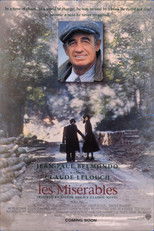
Inspector Javert releases Jean Valjean on parole after nineteen years of hard labor. The two men clash over the morality of Valjean's crime and the rigid authority of the law, establishing a lifelong rivalry.

Start a free 7-day trial — 5 downloads a day, unlimited when Pro begins

Rehearse this scene
Rehearse on your terms

Choose your role and voices for the other characters. Run the scene at your own pace.

Scene PreviewExcerpt — subscribe to read full scene

JAVERT

Now Prisoner 24601. Your time is up And your parole's begun. You know what that means?

VALJEAN

Yes. It means I'm free.

End of preview. Continue with Pro below.

7 days freeYour next rehearsal starts here

Found your next scene? Make it yours.

Start your free trial and read The Yellow Ticket-of-Leave in full, with access to 1,000+ monologues and scenes to explore next.

  • Read the full scene and explore the library
  • Download your script in a clean, printable format
  • Take it into rehearsal with the Script Reader
Casting Types
Get Feedback
Coming Soon

Want expert coaching on this scene?

Browse our curated list of acting coaches, dialect specialists, and more.

Find a Coach

Need representation?

Browse verified agents and casting directors in our directory.

Scene Notes & Audition Tips

5 sections
About This Scene

This pivotal duologue, "The Yellow Ticket-of-Leave," immediately establishes the lifelong conflict between two iconic characters, Javert and Valjean, from *Les Miserables (film)*. It captures the initial moments of Valjean's release after nearly two decades of hard labor, confronting him with the unyielding authority of Inspector Javert. The scene is brimming with intense drama as Valjean faces not true freedom, but a new form of incarceration through his yellow ticket, setting the stage for their intertwined destinies.

Character Analysis

Valjean, having endured nineteen years of brutal imprisonment for a minor crime, is a man whose spirit is tested but not entirely broken. He carries the weight of past suffering, fueled by a deep-seated injustice and a yearning for genuine freedom, making him a complex anti-hero. Javert represents unwavering, rigid authority and an unshakeable belief in the letter of the law, devoid of mercy or understanding for circumstances. He views Valjean not as a man, but as a criminal who will always be a criminal, establishing himself as a formidable, intense authority figure.

Why This Works for Auditions

This scene is an excellent choice for auditions due to its immediate conflict and high stakes, requiring actors to make bold choices right from the start. The direct confrontation between two opposing ideologies allows for a powerful display of emotional range and intensity in a short timeframe. It provides a clear arc for both characters within the minute-long duration, showcasing an actor's ability to embody conviction, defiance, and simmering resentment. The dialogue is sharp and direct, demanding strong vocal and physical presence.

Best Suited For

This duologue is perfectly suited for male actors aged 35-45 looking to demonstrate intensity and depth in their performance. It's ideal for those being cast as Authority Figures or Anti-Heroes, as well as character actors who excel at portraying complex, driven individuals. The scene's intense tone and exploration of justice and rivalry make it a strong fit for drama school auditions, self-tapes, or general practice to hone impactful dramatic work.

Performance Tips

Focus on the power dynamics in this scene; both characters are asserting dominance in different ways. For Valjean, channel his deep-seated weariness and injustice, allowing moments of defiance to break through the exhaustion. For Javert, embody his unwavering conviction and unyielding sense of duty, ensuring every word carries the weight of his absolute belief in the law. Pay close attention to vocal texture and subtext to convey the simmering anger, resentment, and moral clash that defines their initial encounter.

Explore this topic