Film
duologue
Comedy-Drama
Drama

The Zeppelin Conversation

from Indiana Jones and the Last Crusade

Written by Jeffrey Boam, George Lucas, Menno Meyjes

Indiana Jones and the Last Crusade

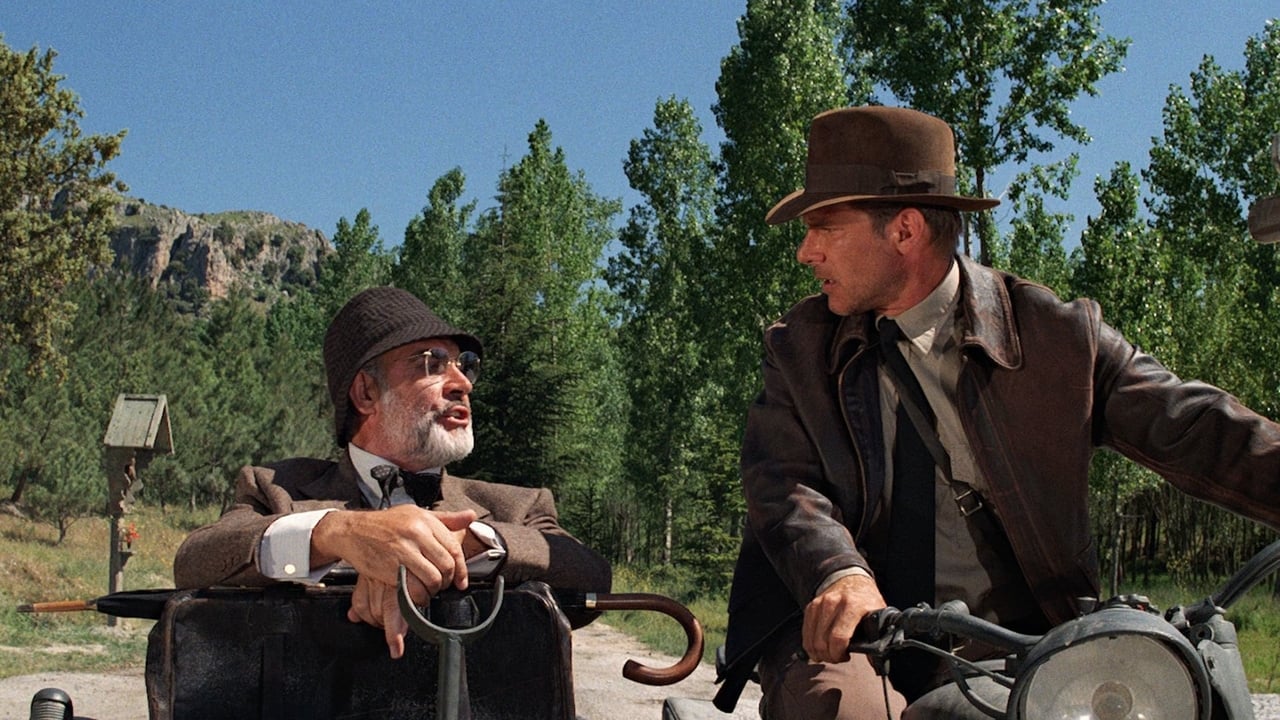
Indy confronts his father about their estranged relationship and his lonely childhood while Henry remains focused on their archaeological quest.

Start a free 7-day trial — 5 downloads a day, unlimited when Pro begins

Rehearse this scene
Rehearse on your terms

Choose your role and voices for the other characters. Run the scene at your own pace.

Scene PreviewExcerpt — subscribe to read full scene

HENRY

You know, sharing your adventures is an interesting experience.

INDY

That’s not all we shared. It’s disgraceful. You’re old enough to be her fa... er, her grandfather!

HENRY

Well, I’m as human as the next man.

INDY

I was the next man.

HENRY

Ships that pass in the night...

End of preview. Continue with Pro below.

7 days freeYour next rehearsal starts here

Found your next scene? Make it yours.

Start your free trial and read The Zeppelin Conversation in full, with access to 4,000+ monologues and scenes to explore next.

  • Read the full scene and explore the library
  • Download your script in a clean, printable format
  • Take it into rehearsal with the Script Reader
Casting Types
Get Feedback
Coming Soon

Want expert coaching on this scene?

Browse our curated list of acting coaches, dialect specialists, and more.

Find a Coach

Need representation?

Browse verified agents and casting directors in our directory.

Scene Notes & Audition Tips

5 sections
About This Scene

This compelling duologue from "Indiana Jones and the Last Crusade" captures a pivotal moment between the iconic father and son, Henry and Indy, aboard a Zeppelin. It delves into their long-standing estrangement, revealing Indy's deep-seated resentments about a lonely childhood and Henry's rather detached, academic perspective on parenting. Despite the poignant undertones of reconciliation and regret, the scene is masterfully infused with the film's signature wit and comedic timing, showcasing a complex dynamic under pressure.

Character Analysis

For Henry, consider his intellect and the way his academic pursuits often supersede personal connection; he's a brilliant but emotionally reserved man who views life through a historical lens. Indy, on the other hand, is driven by a deep need for connection and acknowledgment from his father, battling years of feeling neglected and misunderstood. While Indy is ostensibly the "Action Hero," in this scene, he reveals a vulnerable, almost childlike side, seeking validation. Both characters are articulate, sharp-witted, and accustomed to high-stakes situations, but their emotional languages are vastly different, creating powerful tension and humor.

Why This Works for Auditions

This scene offers actors a fantastic opportunity to showcase a wide range of emotions within a compact timeframe, blending comedy with genuine pathos. The shifting power dynamics, from Indy’s confrontation to Henry’s deflection and eventual, albeit brief, openness, allows for nuanced performances. It’s ideal for demonstrating an actor's ability to handle complex dialogue, deliver comedic beats, and convey deep emotional backstory without relying on overly dramatic histrionics. The contemporary period and themes of father-son relationships are perennially relevant, making it accessible to many casting directors.

Best Suited For

This duologue is exceptionally well-suited for male actors in the specified age ranges aiming for "Mentor," "Patriarch," or "Everyman" casting types. For an actor portraying Indy (30s), it's a chance to display vulnerability and emotional depth beneath a tough exterior. For Henry (60s), it's perfect for showcasing intellectual wit, a charming detachment, and subtle emotional shifts. It's particularly effective for self-tapes or general practice, as it provides a contained, high-impact emotional journey.

Performance Tips

When approaching this scene, focus on the subtext of each line; much of the true meaning lies in what isn't explicitly said. For Indy, let the frustration and longing build gradually, making his accusations feel earned and deeply personal. For Henry, lean into his intellectual and slightly eccentric nature, allowing his dry humor and academic focus to serve as a defense mechanism against emotional intimacy. Pay close attention to pacing; the rapid-fire exchanges can be comedic, but ensure the underlying emotional weight isn't lost.

Explore this topic