
Film
duologue
Comedy-Drama
Thriller

Thelma's Confession

from Thelma & Louise

Written by Callie Khouri

Thelma & Louise

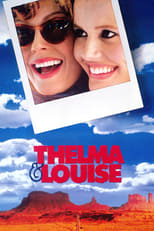
Thelma ecstatically recounts her first positive sexual experience to a skeptical Louise before realizing she left their stolen money unattended.

Start a free 7-day trial — 5 downloads a day, unlimited when Pro begins

Rehearse this scene
Rehearse on your terms

Choose your role and voices for the other characters. Run the scene at your own pace.

Scene PreviewExcerpt — subscribe to read full scene

THELMA

Hi.

LOUISE

What happened to your hair?

THELMA

Nothing. It got messed up.

LOUISE

What's wrong with you?

THELMA

Nothing. Why? Do I seem different?
End of preview. Continue with Pro below.

7 days freeYour next rehearsal starts here

Found your next scene? Make it yours.

Start your free trial and read Thelma's Confession in full, with access to 4,500+ monologues and scenes to explore next.

  • Read the full scene and explore the library
  • Download your script in a clean, printable format
  • Take it into rehearsal with the Script Reader
Casting Types
Get Feedback
Coming Soon

Want expert coaching on this scene?

Browse our curated list of acting coaches, dialect specialists, and more.

Find a Coach

Need representation?

Browse verified agents and casting directors in our directory.

Scene Notes & Audition Tips

5 sections
About This Scene

This dynamic duologue from *Thelma & Louise* captures a pivotal moment of self-discovery and impending crisis. Thelma, exhilarated and almost unrecognisable, bursts into a coffee shop to share a profoundly transformative experience with her best friend, Louise. The scene masterfully blends comedy with growing dramatic tension as Thelma’s euphoric confession is slowly undercut by Louise’s mounting suspicion and concern, culminating in a sudden, urgent realization about their stolen money.

Character Analysis

Thelma is presented here as a character experiencing a radical shift, moving from a previously subdued existence to one of unbridled joy and newfound confidence, albeit with a touch of naive impulsivity. Her behavior is erratic and ecstatic, reflecting a complete emotional and physical release. Louise, in contrast, is the grounded, more practical friend, attempting to maintain composure while struggling to process Thelma's wild energy and the implications of her story. She carries the weight of their current circumstances and acts as a foil to Thelma’s temporary obliviousness, her quiet apprehension building to a critical point.

Why This Works for Auditions

This scene offers a fantastic opportunity to showcase a wide range of emotions within a short timeframe, making it ideal for auditions. Actors can demonstrate a compelling arc, moving from comedic high energy and giddiness to genuine vulnerability and sudden panic. The shifting power dynamic between the two friends, from Thelma's initial dominance to Louise's emergent authority, provides rich material for nuanced character work. Its contemporary period and relatable themes of friendship and personal awakening also resonate strongly with casting directors.

Best Suited For

This scene is particularly well-suited for actors in the 25-35 age range who can embody leading lady or best friend archetypes with a compelling blend of humor and emotional depth. It's excellent for those looking to present as vulnerable yet also capable of intense, energetic performances. Performers comfortable with comedic timing that transitions into high-stakes drama will find this piece allows them to highlight their versatility for drama school auditions, agent showcases, or self-tapes.

Performance Tips

When approaching this scene, Thelma should fully lean into the physical and vocal expression of her overwhelming joy and subsequent shock, allowing her energy to be genuinely disruptive. Louise, conversely, should convey her concern through subtle reactions and a grounding presence, letting her mounting anxiety simmer beneath the surface until her final, urgent line. Pay close attention to the escalating stakes and the subtext of their friendship; Thelma desires validation, while Louise feels a protective, almost parental, responsibility. The sharp tonal shift at the end requires precise timing and a clear understanding of the sudden gravity of the situation.

Explore this topic