Film
duologue
drama

Tre's Confession of Fear

from Boyz n the Hood

Written by John Singleton

Boyz n the Hood

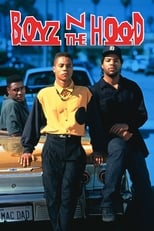
A vulnerable, confessional, humorous, serious TRE & RICKY's duologue from "Boyz n the Hood" by John Singleton.

Start a free 7-day trial — 5 downloads a day, unlimited when Pro begins

Rehearse this scene
Rehearse on your terms

Choose your role and voices for the other characters. Run the scene at your own pace.

Scene PreviewExcerpt — subscribe to read full scene

TRE

I lied to Pops last night, told him I weren’t no virgin.

RICKY

But you’re not . Are you? Tre nods a yes.

TRE

Well, technically speaking I haven’t. I mean I’ve sucked some titties and finger banged a couple of hunnies but I never stuck it in . Ricky looks long at his friend. A piece of egg hanging off of his lip. He licks it up.

RICKY

Why not? Tre…

End of preview. Continue with Pro below.

7 days freeYour next rehearsal starts here

Found your next scene? Make it yours.

Start your free trial and read Tre's Confession of Fear in full, with access to 3,000+ monologues and scenes to explore next.

  • Read the full scene and explore the library
  • Download your script in a clean, printable format
  • Take it into rehearsal with the Script Reader
Casting Types
Get Feedback
Coming Soon

Want expert coaching on this scene?

Browse our curated list of acting coaches, dialect specialists, and more.

Find a Coach

Need representation?

Browse verified agents and casting directors in our directory.

Scene Notes & Audition Tips

5 sections
About This Scene

This powerful duologue, "Tre's Confession of Fear," originates from John Singleton's acclaimed film *Boyz n the Hood*. It captures a deeply vulnerable and honest moment between two close friends, Tre and Ricky, as Tre reveals a significant personal secret. The scene masterfully blends humor with profound seriousness, exploring themes of honesty, fear, and the challenging transition into adulthood within a contemporary setting. It's an insightful exploration of masculine vulnerability, showcasing a pivotal conversation that many young men navigate.

Character Analysis

Tre, in this scene, is defined by his internal conflict between outward bravado and private fear. He grapples with the societal pressures of masculinity while simultaneously harboring a profound apprehension about the responsibilities of fatherhood, revealing a surprising depth beneath his confident exterior. Ricky serves as the empathetic, yet initially amused, confidant, whose presence allows Tre to unburden himself. Ricky’s reaction evolves from laughter to understanding, highlighting his role as a true friend and offering an excellent opportunity for an actor to portray a range of non-verbal responses.

Why This Works for Auditions

This scene offers a fantastic opportunity for actors aged 18-25 to showcase their range, moving seamlessly from comedic vulnerability to poignant seriousness. The naturalistic dialogue provides ample space for authentic character choices and emotional nuance, allowing both actors to demonstrate strong listening and reaction skills. Its contemporary setting and relatable themes of friendship, fear, and coming of age ensure that the material resonates widely and feels current, making it highly versatile for various casting directors. The clear emotional arc within Tre's dialogue, and Ricky's shifting reactions, make it ideal for demonstrating complex character work.

Best Suited For

"Tre's Confession of Fear" is exceptionally well-suited for actors seeking roles as teenagers, best friends, or characters displaying vulnerability and gritty realism. It's perfect for those who can embody a character who initially presents a tough exterior but then reveals deep-seated anxieties. Actors who excel at portraying complex emotional journeys, particularly within a coming-of-age context, will find this scene allows them to shine. It’s also an excellent choice for actors aiming for dramatic roles that require both comedic timing and profound emotional depth.

Performance Tips

When approaching this scene, actors should focus on the underlying tension between Tre's desire to appear experienced and his genuine fear. For Tre, lean into the awkwardness and eventual relief of confession, allowing the humor to arise organically from the honesty of the situation rather than forcing it. Ricky should pay close attention to the gradual shift in his character’s understanding and empathy, letting his initial amusement give way to genuine concern. Both actors should prioritize active listening and authentic reaction, ensuring their performances feel grounded and connected to each other, building the friendship and trust that allows for such a candid exchange.

Explore this topic