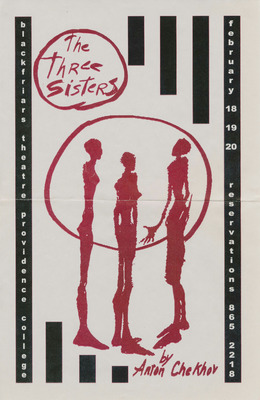
Tuzenbach's Monologue on Work — The Three Sisters

Baron Tuzenbach expresses a profound existential longing to abandon his aristocratic life of leisure for a life of manual labor. He passionately describes a future where work provides universal fulfillment and purpose, seeking to prove his worth and idealism to Irina.

TUZENBACH: Oh, how I long for work! I've never worked in my life. I was born into a wealthy family, and I've always lived a life of leisure. But I hate it. I hate this idleness, this emptiness. I want to work, to toil, to sweat. I want to feel the satisfaction of a job well done.

Format: Monologue · Genre: Drama · Source: The Three Sisters · Author: Anton Chekhov · Characters: Tuzenbach

About This Scene

This dramatic monologue features Baron Tuzenbach expressing a profound and deeply felt longing for a life of purpose through manual labor. He passionately outlines a future vision where work is a universal source of fulfillment and meaning, a stark contrast to his current aristocratic idleness. The scene is a powerful exploration of idealism and the desire for social change, delivered with a palpable vulnerability.

Character Analysis

Tuzenbach is presented here as a man grappling with his inherited privilege and seeking genuine meaning beyond it. His character is marked by a deep idealism and a vulnerable yearning for a life of tangible contribution. He is articulate and passionate, yet his desire for work stems from a place of dissatisfaction with his current existence, hinting at an underlying melancholy beneath his hopeful rhetoric. He is an outsider in his own social class, aspiring to a future he believes will transcend the superficiality he currently inhabits.

Why This Works for Auditions

This monologue is an excellent choice for auditions due to its clear emotional arc and opportunities for nuanced performance. It showcases a character's internal conflict and his ability to articulate complex philosophical ideas with heartfelt conviction. The dramatic nature of Tuzenbach's yearning allows an actor to demonstrate vulnerability, passion, and a strong command of language, making it suitable for a range of casting types.

Best Suited For

This monologue is particularly well-suited for male actors aged 25-35 who can embody a complex blend of idealism, vulnerability, and intellectual longing. It is ideal for character actors and those aspiring to play "outsider" or "young professional" roles within a dramatic context. Its philosophical depth and emotional vulnerability make it perfect for drama school auditions, agent showcases, or general practice for honing dramatic skills.

Performance Tips

When approaching this monologue, focus on Tuzenbach's internal struggle and the sincerity of his idealism. Allow his underlying dissatisfaction with his life of leisure to fuel his passionate vision of a working future, ensuring his vulnerability is always present. Emphasize the contrast between his current idleness and his longed-for active role, allowing the rhythm and cadence of his speech to reflect his longing and conviction as he tries to convince himself as much as Irina.